Menu

Water Stains on Ceiling in Hattiesburg – Expert Diagnosis Stops Structural Damage Before It Starts

Our roofers identify the true source of brown spots on ceiling, ceiling water spots, and yellow ceiling stains, then fix both the visible damage and the hidden leak causing it.

Slider Image 1
Slider Image 2
Slider Image 3
Slider Image 4
Slider Image 5
Slider Image 7
Slider Image 8
Slider Image 9
Slider Image 10
Slider Image 11

Why Ceiling Water Spots Mean Immediate Action in Hattiesburg

You see a brown spot on the ceiling. Maybe it appeared overnight. Maybe it grew slowly over weeks. Either way, that wet patch on ceiling signals active water intrusion, and in Hattiesburg's high humidity environment, the damage accelerates faster than you think.

Hattiesburg sits in the Pine Belt with an average annual rainfall exceeding 60 inches. When that much water hits your roof year after year, even a small flashing failure or a single lifted shingle can channel hundreds of gallons into your attic space. The humid air compounds the problem. Water does not evaporate quickly here. It soaks into insulation, drywall, and wood framing. Mold colonies establish in 24 to 48 hours. Yellow ceiling stains start as minor discoloration but often indicate rot progressing inside the ceiling cavity.

Many homeowners assume ceiling water spots mean a simple roof patch. The reality is more complex. Water rarely travels in straight lines. A leak point on the roof can be three feet away from where the stain appears on your ceiling. Water follows rafters, runs along electrical conduit, and pools at the lowest sag point in the drywall. That water mark on ceiling you see is the symptom. The actual breach is somewhere upstream.

Delaying diagnosis invites structural risk. Wet framing loses load-bearing capacity. Ceiling joists warp. Drywall crumbles. Electrical wiring exposed to moisture creates fire hazards. In Hattiesburg, where summer heat and winter cold cycle throughout the year, trapped moisture expands and contracts, widening gaps and accelerating decay. You need a roofer who understands how water behaves in this climate, not someone who slaps tar on a shingle and calls it fixed.

Why Ceiling Water Spots Mean Immediate Action in Hattiesburg
How We Find and Fix the Real Leak Behind Your Ceiling Stains

How We Find and Fix the Real Leak Behind Your Ceiling Stains

Our diagnostic process starts in the attic, not on the roof. We trace the water path backward from the stain. You see a brown spot on ceiling in your living room. We climb into the attic and look for wet insulation, stained sheathing, or mold growth on the underside of the roof deck. We follow the water trail upstream along rafters and truss chords until we locate the entry point.

Once we identify the breach, we move to the exterior. We inspect flashing around chimneys, skylights, and vent pipes. We check for missing or damaged shingles, particularly on the south and west exposures where UV degradation happens fastest in Mississippi's sun. We examine roof-to-wall transitions, valley metal, and ridge vents. We test for capillary action where water wicks under shingles due to improper overlap or missing underlayment.

For flat or low-slope sections, we perform water tests. We flood suspect areas with a hose and watch for penetration. This method reveals failures in membrane seams, pitch pans around HVAC units, or compromised flashing boots. If the leak source remains elusive, we use infrared thermography to detect trapped moisture inside the roof assembly. Wet materials hold heat differently than dry materials, and the thermal signature shows us exactly where water hides.

After we locate the leak, we address both the entry point and the collateral damage. We replace compromised sheathing, seal penetrations with proper counterflashing and sealant compatible with your roofing material, and ensure proper lapping and fastener placement. We do not use generic roof cement as a permanent fix. We install components that match the existing roof system and meet manufacturer specifications for wind uplift and water shedding.

What Happens When You Call About a Ceiling Leak

Water Stains on Ceiling in Hattiesburg – Expert Diagnosis Stops Structural Damage Before It Starts
01

Initial Assessment

We schedule an inspection within 24 hours. You show us the water stain location and describe when it appeared or if it worsens during rain. We photograph the damage, take moisture readings with a pin-type meter, and ask about roof age, past repairs, and attic ventilation. This information helps us develop a search pattern before we climb into the attic or onto the roof.
02

Leak Source Identification

We enter the attic and trace the moisture path. We inspect sheathing, framing, and insulation for water stains, rot, or mold. We mark the suspected entry point, then move to the roof exterior and correlate interior findings with exterior conditions. We examine shingles, flashing, and penetrations within a five-foot radius of the suspected breach. We document findings with photos and measurements.
03

Repair and Restoration

We provide a detailed estimate covering both the roof repair and any necessary interior restoration. Once approved, we remove damaged roofing material, replace wet sheathing, install new underlayment and flashing, and match your existing shingles. We seal all penetrations and verify water-shedding performance. If ceiling drywall or insulation needs replacement, we coordinate that work or refer you to a trusted contractor.

Why Hattiesburg Homeowners Trust Our Leak Detection

You need a roofer who knows how water behaves in Mississippi's climate. Hattiesburg homes face unique challenges. The humidity never drops below 60 percent, even in winter. Summer temperatures exceed 90 degrees for weeks at a time. These conditions accelerate material degradation and create condensation issues that mimic active leaks.

We know the difference between a true roof leak and attic condensation caused by inadequate ventilation. Many roofers misdiagnose condensation as a roof failure and charge you for unnecessary repairs. We check soffit vents, ridge vents, and gable vents to ensure proper airflow. We verify insulation baffles are in place and not blocking intake ventilation. If your brown spots on ceiling result from condensation rather than a roof breach, we tell you the truth and recommend the correct fix.

We also understand Hattiesburg's building codes and how they have evolved. Homes built before 2000 often lack ice and water shield in valleys or at eaves. While Hattiesburg rarely sees ice dams, the same membrane protects against wind-driven rain during severe thunderstorms and tropical systems. We bring older roofs up to current standards when we make repairs, reducing the risk of future water intrusion.

Our familiarity with local architecture matters. Many homes in the Historic Neighborhood District feature hipped roofs with complex intersections and decorative trim. Water infiltration often occurs at these details. We know how to flash ornamental brackets, preserve historic materials, and maintain the character of older homes while delivering modern waterproofing performance. We do not cut corners or use methods that compromise the home's appearance or structural integrity.

You also get transparent communication. We explain what we find, show you photos, and walk you through the repair options. We provide written estimates that detail materials, labor, and timeline. We do not upsell services you do not need. If a simple flashing repair solves the problem, we tell you. If the damage requires extensive sheathing replacement, we explain why and show you the evidence.

What You Can Expect From Start to Finish

Response Time

We schedule inspections within 24 hours of your call. For active leaks during a rainstorm, we provide emergency tarp service to stop immediate water intrusion. Most diagnostic inspections take 60 to 90 minutes. We complete minor repairs the same day if materials are in stock. Larger jobs requiring sheathing replacement or extensive flashing work typically take one to two days once materials arrive. We do not leave your roof open overnight. We tarp or seal the work area at the end of each day to protect your home.

Diagnostic Process

Our inspection includes attic access, exterior roof examination, and moisture testing. We use pin-type moisture meters to measure water content in sheathing and framing. We document all findings with photos and measurements. You receive a written report that identifies the leak source, explains the damage extent, and outlines repair recommendations. We do not charge separate fees for leak detection if you proceed with the repair. If you choose not to move forward, a diagnostic fee applies, which we discuss upfront before starting the inspection.

Repair Quality

We match your existing roofing material whenever possible. For asphalt shingle roofs, we source the same color and style to maintain appearance. We replace damaged sheathing with CDX plywood or OSB rated for roof applications. We install new underlayment and flashing using materials that meet or exceed manufacturer specifications. All work complies with Mississippi building codes and manufacturer installation guidelines. We clean up debris daily and perform a final walkthrough with you to review the completed work and answer any questions.

Post-Repair Support

You receive documentation of all work performed, including materials used and areas repaired. We provide care instructions for your roof and explain warning signs to watch for. If the ceiling stain does not fade or if you notice new moisture after the repair, we return for a follow-up inspection at no charge. We stand behind our workmanship. If a repair fails due to installation error, we correct it. We also offer maintenance inspections to catch small issues before they become major leaks, especially after severe weather events.

Frequently Asked Questions

You Have Questions,
We Have Answers

How do you get rid of water stains on the ceiling? +

You cannot remove a water stain until you fix the leak causing it. Once the source is repaired and the ceiling dries completely, apply a stain-blocking primer like Kilz or Zinsser to seal the discoloration. After the primer dries, repaint the ceiling with matching paint. If you skip the primer, the stain will bleed through new paint within days. Never paint over active moisture. Painting a wet stain traps water inside the drywall, leading to mold growth and structural damage.

Who fixes water stains on a ceiling? +

A licensed plumber fixes leaks from pipes or fixtures causing ceiling stains. A roofer repairs roof leaks or damaged flashing. An HVAC technician addresses condensation from air handlers or ductwork. A general contractor or handyman handles the cosmetic repair after the leak is fixed, including drywall replacement, priming, and painting. Identify the water source first. Hiring the wrong trade wastes time and money. Most professionals in the area offer free inspections to pinpoint the problem before starting work.

Why is there a water spot on my ceiling after heavy rain? +

Heavy rain exposes weaknesses in your roof system. The stain appears because water penetrates through damaged shingles, worn flashing around vents or chimneys, or clogged gutters that overflow and seep under roof edges. Missing or cracked shingles allow direct water entry. Flashing gaps let water run down walls into attic spaces. Check your attic during the next storm to trace the exact entry point. Water travels along rafters before dripping onto ceilings, so the stain location does not always match the roof leak.

What does an old water stain on a ceiling look like? +

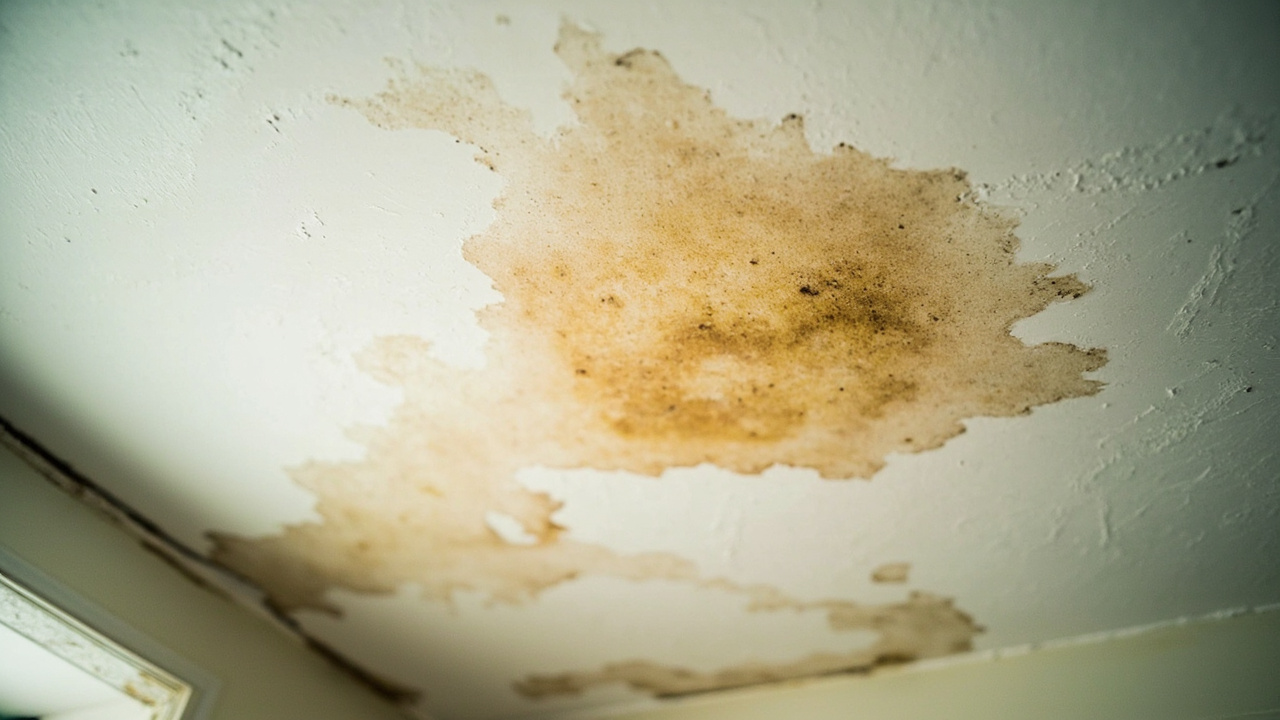
Old water stains appear as yellowed or brownish rings with defined edges. The center often looks darker than the outer ring. Dry stains feel firm to the touch and show no texture change. They may have a slight crackling sound when pressed if paint layers separated during drying. Fresh stains feel soft or spongy and show moisture when touched. Old stains stay visible even after drying because minerals and tannins from building materials oxidize and bond to paint surfaces. Age does not mean the leak is fixed.

How Hattiesburg's Rainfall Patterns Make Ceiling Leak Diagnosis Critical

Hattiesburg receives more than 60 inches of rain annually, with peak rainfall occurring during summer thunderstorm season and again during fall tropical activity. These intense rainfall events overwhelm compromised flashing and test every vulnerable point on your roof. A small gap around a chimney or a lifted shingle edge allows gallons of water into the attic during a single storm. The high humidity prevents that water from evaporating, so moisture lingers in insulation and framing long after the rain stops. This creates the brown spots on ceiling and yellow ceiling stains you see weeks after the initial leak. Proper diagnosis requires understanding how water moves through a roof system under these specific conditions.

Hattiesburg roofers who understand local building practices know that homes built in different decades have different vulnerabilities. Homes constructed in the 1970s and 1980s often used organic felt underlayment that degrades faster in humid climates than synthetic alternatives. Homes in neighborhoods near the University of Southern Mississippi or around Historic Hattiesburg often feature architectural details that require custom flashing solutions. Choosing a roofer familiar with these local construction styles means you get repairs that address the root cause, not just the visible symptom. We know what works in this climate and how to protect your home for the long term.

Where To Find Us

Elite Roofing Hattiesburg provides trusted, high-quality roofing services for homes and businesses across South Mississippi. We specialize in roof repair, replacement, and inspections using top-grade materials and skilled workmanship. Our local team delivers honest advice, fair pricing, and lasting results—protecting what matters most, your home.

Address:
Elite Roofing Hattiesburg, 7 Professional Pkwy, Hattiesburg, MS, 39402

Additional Services We Offer

Our news updates

Latest Articles & News from The Blogs

Lorem ipsum dolor sit amet. Aut expedita quaerat quo eligendi numquam et laudantium perspiciatis qui minima expedita rem consequatur ducimus.…

Test Blog 4

Lorem ipsum dolor sit amet. Aut expedita quaerat quo eligendi numquam et laudantium perspiciatis qui minima expedita rem consequatur ducimus.…

Test Blog 3

Lorem ipsum dolor sit amet. Aut expedita quaerat quo eligendi numquam et laudantium perspiciatis qui minima expedita rem consequatur ducimus.…

Test Blog 2

Lorem ipsum dolor sit amet. Aut expedita quaerat quo eligendi numquam et laudantium perspiciatis qui minima expedita rem consequatur ducimus.…