

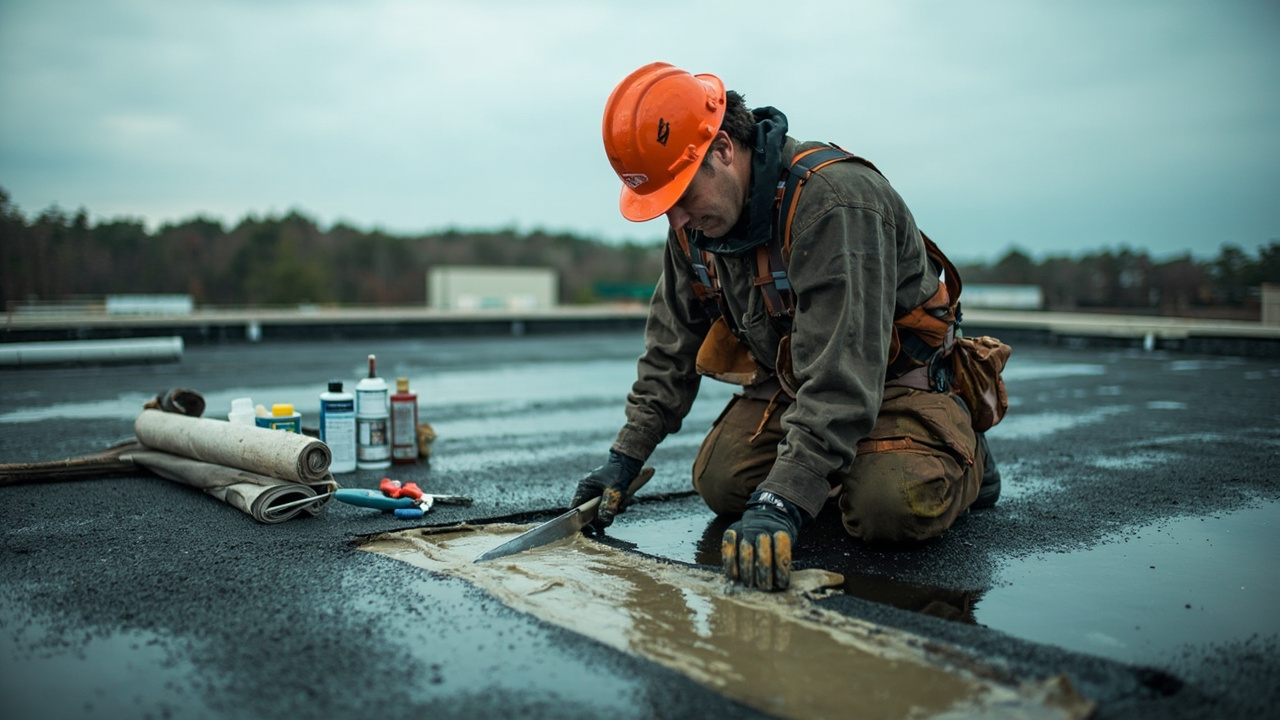
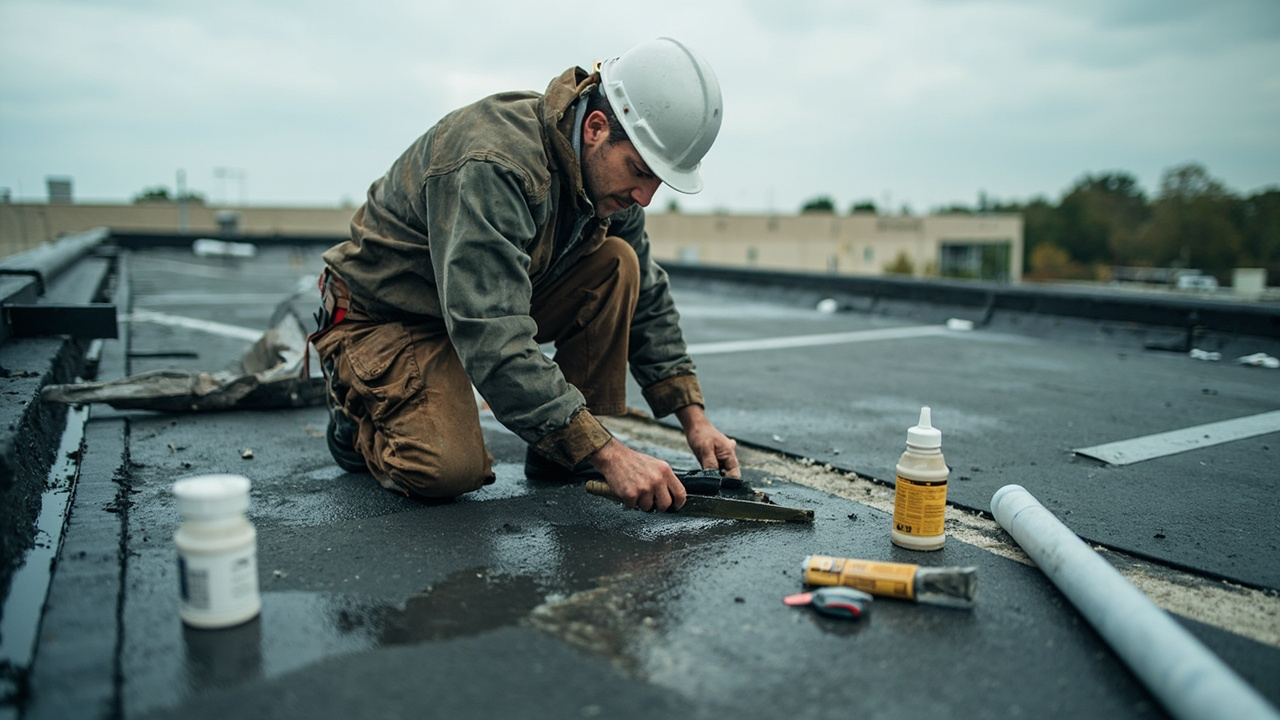
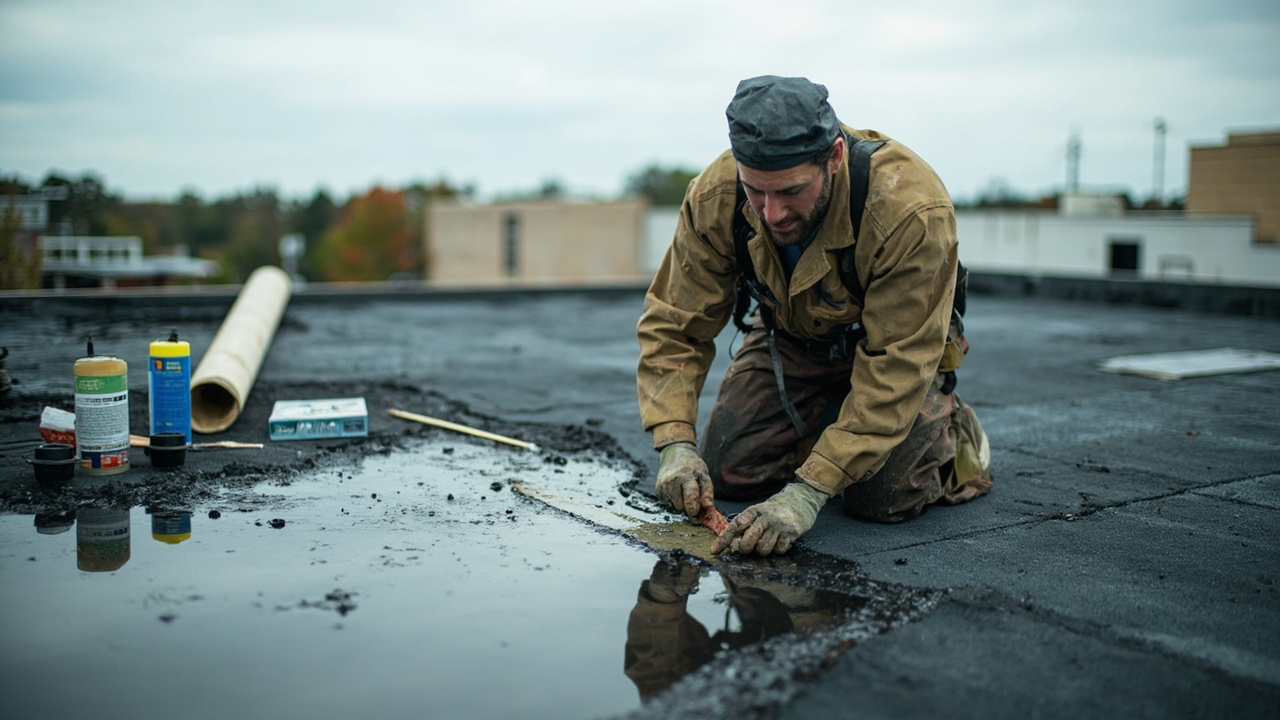
Hattiesburg sits in a high-humidity zone where annual rainfall exceeds 55 inches, and summer storms deliver intense downpours that overwhelm flat roof drainage systems designed for slower rain rates. When scuppers and interior drains clog with pine needles and oak debris, water ponds on membrane surfaces for days. This standing water degrades TPO seams and EPDM adhesive bonds, creating slow leaks that go unnoticed until interior damage appears. Our Gulf Coast proximity also brings high UV exposure, which embrittles roofing membranes faster than northern climates. Emergency flat roof patching calls spike after severe thunderstorms move through Forrest County, especially when wind gusts exceed 40 mph and lift unsecured membrane edges around roof penetrations.
We work extensively with commercial property managers along Hardy Street, business owners in the Downtown Historic District, and facility managers at multi-family complexes near the University of Southern Mississippi campus. These areas contain aging flat roof structures built in the 1980s and 1990s with original membrane systems approaching end-of-life. Local building inspectors require emergency repairs to meet current wind uplift standards and fire-rated assembly specifications, which means not all patch materials are code-compliant. Our crews stay current on City of Hattiesburg building department requirements and Forrest County permit procedures, ensuring emergency repairs meet structural and safety codes while stopping active leaks. Choosing a local contractor familiar with regional inspection standards prevents compliance issues during insurance claims and future roof replacements.