Menu

EPDM Rubber Roofing in Hattiesburg | Minimize Downtime with Industrial-Grade Single-Ply Membrane Systems

Commercial EPDM Roofing Systems Engineered for Gulf Coast Humidity and Hurricane Wind Loads, Installed by Crews Who Understand Mississippi Building Codes and Your Operations Schedule

Slider Image 1
Slider Image 2
Slider Image 3
Slider Image 4
Slider Image 5
Slider Image 7
Slider Image 8
Slider Image 9
Slider Image 10
Slider Image 11

Why Commercial Facilities in Hattiesburg Choose Synthetic Rubber Roof Systems

Your facility cannot afford roof failure. In Hattiesburg's climate, where summer heat index readings regularly exceed 105 degrees and annual rainfall averages 60 inches, flat roofs on warehouses, manufacturing plants, and retail centers face continuous thermal expansion and standing water stress. Traditional built-up roofing systems crack under this pressure. Single-ply EPDM membrane installations solve this problem.

Ethylene propylene diene monomer roofing performs where other systems fail. The synthetic rubber composition resists UV degradation without surface coatings. It flexes during temperature swings from 95-degree July afternoons to 28-degree January mornings without splitting seams. For facilities in the Hattiesburg Industrial Park or along U.S. Highway 49, this durability translates to fewer leak calls and lower maintenance budgets.

Commercial EPDM roofing systems handle ponding water better than modified bitumen or TPO alternatives. The vulcanized rubber construction prevents water absorption. Seams are heat-welded or tape-sealed to create watertight bonds that hold during Gulf Coast thunderstorms. When Hurricane Zeta brought 110 mph winds through Forrest County in 2020, properly installed EPDM flat roof membranes stayed intact while other roofing materials peeled away.

Your operational continuity depends on a roof that performs. EPDM installations create weathertight building envelopes that protect inventory, equipment, and production schedules. The system requires minimal maintenance over a 20 to 25-year service life. For facility managers tracking capital expenditures and avoiding emergency repairs, synthetic rubber roof systems deliver predictable long-term performance in South Mississippi's challenging environment.

Why Commercial Facilities in Hattiesburg Choose Synthetic Rubber Roof Systems
How We Install Commercial EPDM Roofing Systems Without Disrupting Your Operations

How We Install Commercial EPDM Roofing Systems Without Disrupting Your Operations

Installation methodology determines system performance. We start with substrate evaluation using moisture meters and infrared scanning to identify wet insulation or deck damage before membrane placement. This prevents installing new EPDM over compromised decking that will fail within months. For facilities operating during installation, we section the roof into phases to maintain building function.

Deck preparation varies by substrate type. Concrete decks receive primer application to ensure adhesive bonding. Metal decks get mechanically fastened base sheets to create a secure attachment layer. We install polyisocyanurate insulation boards in staggered patterns to eliminate thermal bridging. R-values are calculated based on your HVAC load requirements and Mississippi energy code minimums.

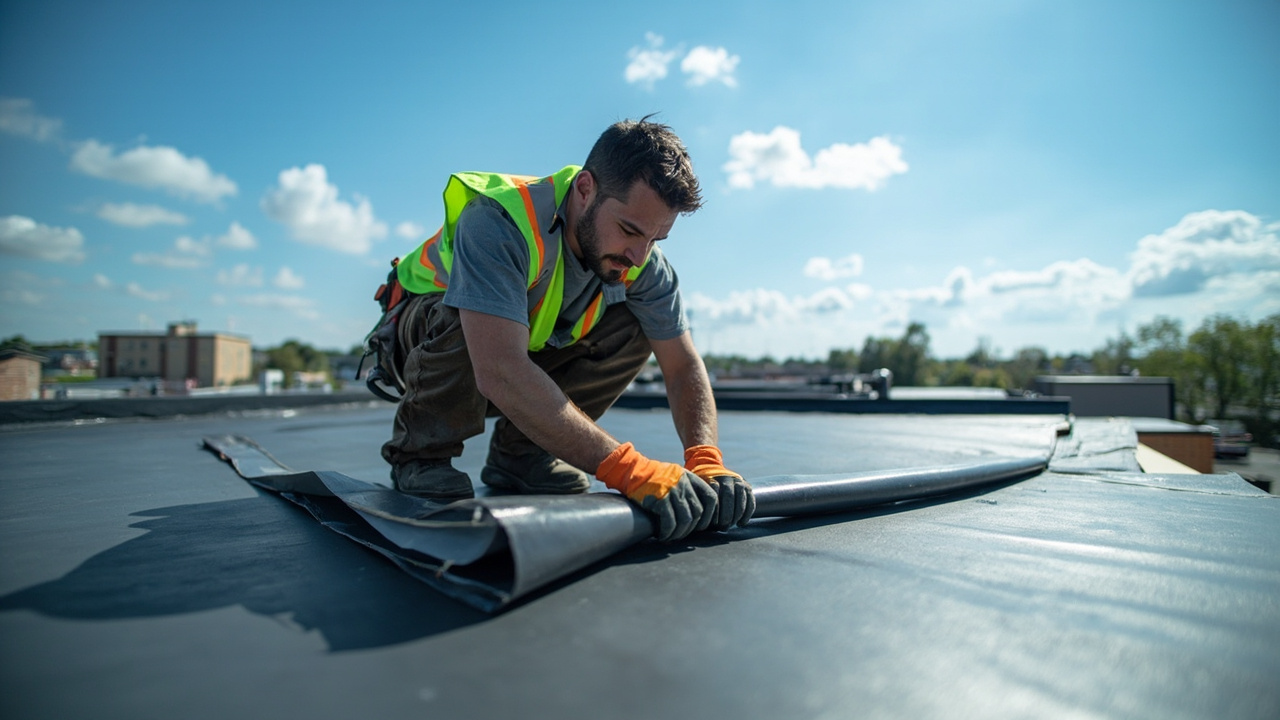
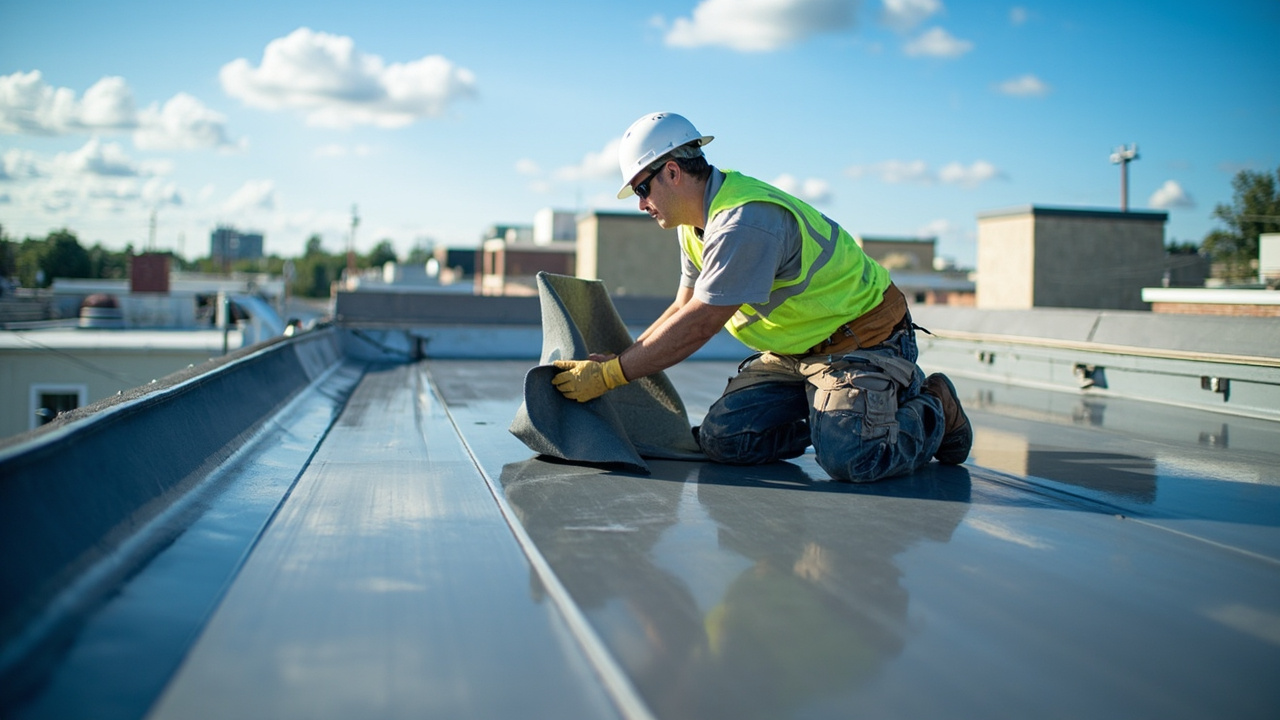
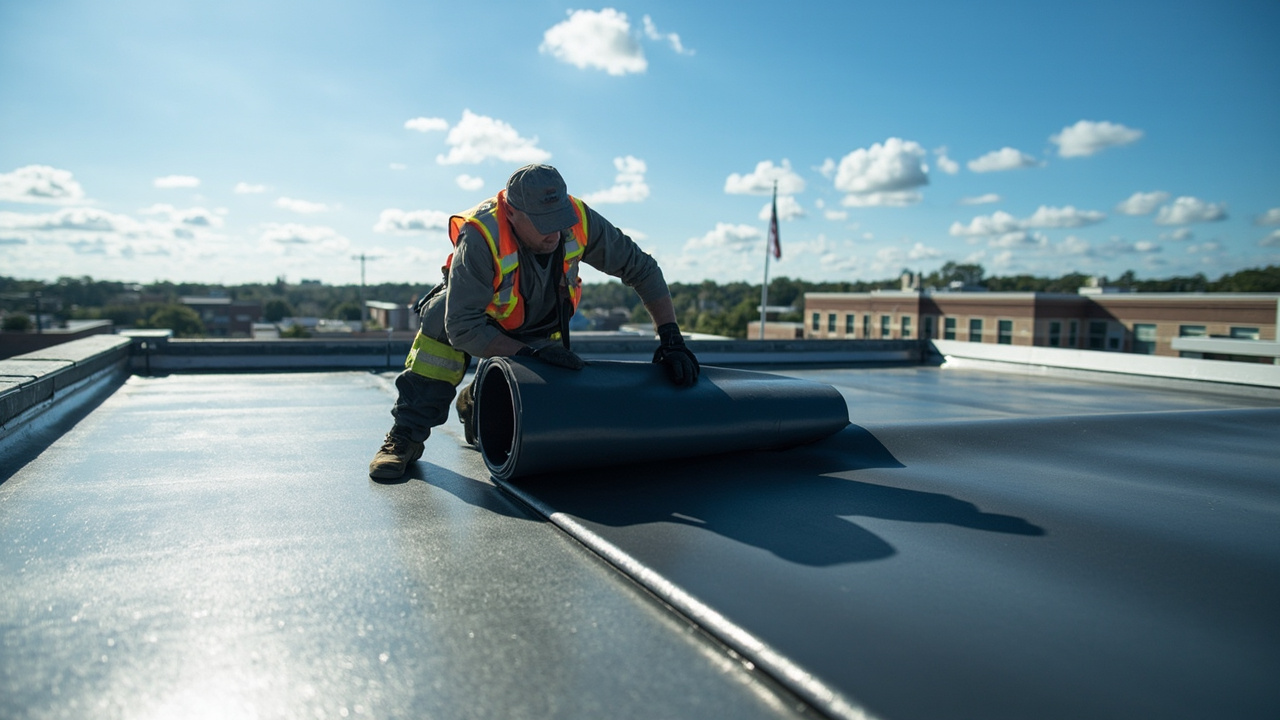
The EPDM flat roof membrane itself comes in 10, 12, or 20-foot widths. We specify thickness based on your facility use. Standard 45-mil membranes work for most commercial applications. High-traffic roofs or facilities with rooftop equipment need 60-mil reinforced membranes. The rubber sheets are rolled out, positioned for proper overlap, and secured using fully adhered, mechanically attached, or ballasted methods depending on wind uplift calculations and deck type.

Seam integrity separates quality installations from failures. We use hot-air welding equipment that creates molecular bonds between membrane sheets. Each seam gets probe-tested to verify complete fusion. Penetrations for HVAC units, exhaust vents, and drainage receive custom-fabricated flashing boots that integrate with the membrane. Perimeter edge metal gets continuous cleat attachment to resist wind uplift during severe weather events common to the Pine Belt region.

What Happens During Your Commercial EPDM Installation Project

EPDM Rubber Roofing in Hattiesburg | Minimize Downtime with Industrial-Grade Single-Ply Membrane Systems
01

Facility Assessment and Scheduling

Our crew supervisors coordinate with your operations manager to map access points, staging areas, and work windows that avoid disrupting business functions. We conduct roof core samples to verify deck condition and existing insulation R-value. You receive a detailed scope of work showing material specifications, attachment methods, and realistic completion timelines. For manufacturing facilities, we schedule work during second shift or weekend hours to keep production lines running.
02

Membrane Installation and Integration

Crews remove existing failed roofing down to structural deck, install new insulation layers, and roll out EPDM sheets in planned layout patterns. All seams receive heat-welded bonds and quality verification testing. Rooftop equipment gets temporarily relocated, then reinstalled with new flashing details and vibration isolation. We install new overflow drains and scuppers sized for Mississippi's high-intensity rainfall rates. Your facility stays protected throughout the process with temporary weather barriers during multi-day installations.
03

Final Inspection and Documentation

After membrane completion, we conduct flood testing on all penetrations and seams to verify watertight integrity before final sign-off. You receive as-built drawings showing membrane layout, insulation R-values, and all penetration locations for future maintenance planning. We walk your facilities team through proper roof access procedures and maintenance requirements to protect the system warranty. All work complies with FM Global or UL wind uplift ratings required by your property insurer.

Why Hattiesburg Facility Managers Choose Our Commercial Roofing Team

Commercial roofing projects require crews who understand building operations, not just membrane installation. We have completed ethylene propylene diene monomer roofing installations on distribution centers along Interstate 59, medical facilities near Forrest General Hospital, and manufacturing plants in the Hattiesburg Industrial Complex. This experience means we know how to work around your schedule and your operational constraints.

Our project managers understand Mississippi commercial building codes and can navigate the permitting process through the City of Hattiesburg Development Services Department. For facilities in flood-prone areas near the Leaf River or Bouie River corridors, we design drainage systems that meet FEMA elevation requirements and local stormwater ordinances. These details prevent code violations that delay projects and create liability issues.

We maintain relationships with local building inspectors and can schedule inspections that keep your project moving forward. When supply chain issues affect material delivery, we have backup supplier networks to avoid delays that extend your building exposure. For facilities requiring specific wind uplift ratings to satisfy property insurance requirements, we provide FM Approved or UL-certified systems with proper documentation.

Crew capacity matters for commercial projects. We can deploy multiple installation teams simultaneously to compress project timelines for time-sensitive renovations. Our crews carry commercial general liability coverage that meets the requirements of property management firms and corporate facility departments. You receive certificate of insurance documentation before work begins.

The difference shows in details. Our supervisors verify that new membrane installations integrate properly with existing wall flashing, parapet caps, and expansion joints. We coordinate with your HVAC contractors when rooftop unit replacements coincide with re-roofing projects. This attention to building systems integration prevents callbacks and protects your capital investment.

What Your Facility Gets with a Commercial EPDM Rubber Roofing Installation

Project Completion Timeline

Installation speed depends on roof size, existing condition, and weather windows. A typical 20,000 square foot warehouse roof takes five to seven working days from tear-off to final inspection. Larger facilities get phased into sections to maintain operations. We monitor weather forecasts and adjust schedules to avoid installing membrane during rain events or high wind days. Your project manager provides daily updates on completion status and any field conditions that affect timeline. For facilities requiring fast-track completion to meet lease obligations or seasonal inventory demands, we can deploy additional crews to compress the schedule.

Pre-Installation Roof Survey

Before material orders and crew mobilization, we conduct a comprehensive roof assessment using infrared scanning and moisture detection to map wet insulation areas. Core samples verify deck structural integrity and existing material composition. This survey identifies hidden problems that would compromise new membrane performance. You receive a written report detailing findings and recommended scope adjustments. For facilities with ongoing leaks, we can install temporary weather protection while final project details are confirmed. This diagnostic phase prevents change orders and ensures the new EPDM system gets installed over sound substrate conditions.

System Performance Specifications

Your completed roof meets or exceeds FM Global wind uplift ratings required for Hattiesburg's wind zone classification. The synthetic rubber membrane resists ponding water, UV exposure, and ozone degradation without surface maintenance. Seam strength exceeds membrane tear strength, creating a monolithic weathertight barrier. Insulation R-values meet Mississippi energy code requirements and reduce HVAC operating costs. All penetrations receive properly sized flashing details that prevent water intrusion around rooftop equipment. The system performs reliably through South Mississippi's temperature extremes, heavy rainfall events, and occasional severe weather without requiring constant repairs or surface treatments.

Ongoing Maintenance Support

EPDM systems require minimal upkeep compared to built-up or coating-dependent roofing. We provide maintenance guidelines covering debris removal, drain cleaning, and semiannual inspections to extend system life. Your facilities team receives documentation showing all penetration locations and seam layouts for future reference. If repairs become necessary due to equipment installation or impact damage, we dispatch service crews familiar with your original installation details. Many facility managers schedule biannual inspections before hurricane season and after winter freezes to catch minor issues before they become major problems. This proactive approach maximizes your roofing investment.

Frequently Asked Questions

You Have Questions,
We Have Answers

What is EPDM rubber roofing? +

EPDM rubber roofing is a synthetic rubber membrane made from ethylene propylene diene monomer. It comes in black or white sheets, typically 10 to 50 feet wide. You install it on low-slope or flat roofs using adhesive, mechanical fasteners, or ballast. EPDM resists UV damage, ozone, and temperature swings. It flexes without cracking, which makes it ideal for commercial buildings, garages, and residential flat roofs. The material costs less than TPO or PVC, and roofers install it quickly because of the large sheet sizes.

What are the disadvantages of EPDM rubber? +

EPDM rubber has three main drawbacks. First, seams are its weak point. You bond them with tape or liquid adhesive, which can fail if not installed perfectly. Second, punctures happen easily. Foot traffic, hail, or falling branches can tear the membrane. Third, black EPDM absorbs heat, which raises cooling costs in hot climates. White EPDM costs more upfront. Finally, EPDM shrinks over time, pulling away from flashing and edges. This creates leaks if you skip regular inspections.

What is the life expectancy of EPDM rubber? +

EPDM rubber lasts 20 to 30 years on average. Proper installation extends its life. You need clean substrate prep, correct adhesive application, and tight seam bonding. Ponding water shortens lifespan. If water sits for more than 48 hours, the membrane degrades faster. UV exposure breaks down the rubber slowly, even though EPDM resists it better than other materials. Regular maintenance adds years. Inspect seams annually, clear debris, and patch small punctures before they spread. Quality matters. Thicker membranes outlast thin ones.

Is EPDM rubber roofing any good? +

EPDM rubber roofing works well for flat or low-slope applications when installed correctly. It costs less than TPO or modified bitumen, which helps budget-conscious property owners. The material tolerates freeze-thaw cycles without cracking, making it reliable in cold climates. Installation is fast, reducing labor costs. However, seam quality determines performance. Poor workmanship leads to leaks within five years. EPDM fits best on structures with minimal foot traffic and good drainage. If you maintain it and avoid ponding water, EPDM delivers solid value for commercial and residential flat roofs.

How Hattiesburg's Humidity and Hurricane Exposure Make EPDM the Smart Choice for Commercial Facilities

Hattiesburg sits 70 miles inland from the Gulf Coast, far enough to avoid direct hurricane eyewall strikes but close enough to experience damaging winds and torrential rainfall from tropical systems. When Hurricane Katrina passed east of the city in 2005, sustained winds reached 80 mph and caused widespread commercial roof damage. Single-ply EPDM membrane systems resist wind uplift better than mechanically attached metal panels or adhered modified bitumen because the continuous rubber sheet distributes wind loads across the entire roof plane. The membrane's flexibility allows it to absorb wind gusts without tearing at fastener points. Combined with relative humidity levels that average 75 percent year-round, creating perfect conditions for mold growth on moisture-permeable roofing materials, EPDM's water-resistant properties keep facility interiors dry and protect stored inventory from humidity damage.

Commercial projects in Hattiesburg require contractors who understand local construction standards and can work efficiently with city building officials. We maintain ongoing relationships with inspectors in the Development Services Department and understand their specific documentation requirements for commercial re-roofing permits. For facilities in the downtown Historic District or near the University of Southern Mississippi campus, we coordinate work schedules to minimize disruption to surrounding businesses and traffic patterns. Our crews understand that commercial clients need roofing contractors who show up on schedule, complete work as specified, and leave facilities fully operational. This reliability matters more than promotional claims when your business depends on weathertight building protection.
Where To Find Us

Elite Roofing Hattiesburg provides trusted, high-quality roofing services for homes and businesses across South Mississippi. We specialize in roof repair, replacement, and inspections using top-grade materials and skilled workmanship. Our local team delivers honest advice, fair pricing, and lasting results—protecting what matters most, your home.

Address:
Elite Roofing Hattiesburg, 7 Professional Pkwy, Hattiesburg, MS, 39402

Additional Services We Offer

Our news updates

Latest Articles & News from The Blogs

Lorem ipsum dolor sit amet. Aut expedita quaerat quo eligendi numquam et laudantium perspiciatis qui minima expedita rem consequatur ducimus.…

Test Blog 4

Lorem ipsum dolor sit amet. Aut expedita quaerat quo eligendi numquam et laudantium perspiciatis qui minima expedita rem consequatur ducimus.…

Test Blog 3

Lorem ipsum dolor sit amet. Aut expedita quaerat quo eligendi numquam et laudantium perspiciatis qui minima expedita rem consequatur ducimus.…

Test Blog 2

Lorem ipsum dolor sit amet. Aut expedita quaerat quo eligendi numquam et laudantium perspiciatis qui minima expedita rem consequatur ducimus.…