
Menu

Emergency Roof Leak Detection in Hattiesburg – 24/7 Dispatch Stops Water Damage Before It Spreads

When water breaches your roof, every minute counts. Our emergency roof leak detection team arrives fast in Hattiesburg, locates the intrusion point, and contains the damage before your ceiling, insulation, or belongings take the hit.

Slider Image 1
Slider Image 2
Slider Image 3
Slider Image 4
Slider Image 5
Slider Image 7
Slider Image 8
Slider Image 9
Slider Image 10
Slider Image 11

When Water Shows Up Where It Shouldn't, the Clock is Already Running

You see a stain spreading across your ceiling. Water drips into a bucket in your hallway. The panic sets in fast because you know what happens next: soaked insulation, warped drywall, ruined furniture, and mold growing in the dark.

Hattiesburg's climate makes roof leaks particularly destructive. The high humidity means moisture does not evaporate quickly. Instead, it saturates wood decking, breeds mold in attic spaces, and accelerates rot in structural framing. Summer thunderstorms and hurricane remnants dump inches of rain in hours, overwhelming compromised flashing or aging shingles. Pine pollen clogs valleys and downspouts, creating standing water that finds the smallest gap.

A roof leak is not just a wet spot. It is an active intrusion that grows worse with every passing hour. Water follows rafters, spreads across insulation batts, and appears in rooms far from the actual breach point. By the time you see the drip, the hidden damage is already underway.

Urgent roof leak detection is not about convenience. It is about containment. Emergency roof leak inspection stops the guessing game. You need an immediate roof leak locator who understands how water travels through Hattiesburg roof assemblies, who can trace the entry point in the dark during a downpour, and who brings the tools to stop the intrusion tonight. 24/7 roof leak tracing means you call when the crisis happens, not when business hours resume. Emergency roof water intrusion detection is a race against further destruction, and every delay costs more in repairs, replacement materials, and remediation work.

When Water Shows Up Where It Shouldn't, the Clock is Already Running
How We Trace the Leak Source When You Cannot See It

How We Trace the Leak Source When You Cannot See It

Most homeowners assume the water stain on the ceiling points directly to the problem. It does not. Water enters at the breach point, travels downslope along sheathing or rafters, then drips wherever gravity takes it. You might see damage in the living room while the actual failure is ten feet away at a pipe boot or dormer flashing.

We do not guess. We trace. Our emergency roof leak detection process starts with your description of where water appeared and when it started. We ask about recent weather events, roof age, and prior repairs because context narrows the search area. Once on site, we move fast.

From the interior, we follow water stains backward using moisture meters that detect saturation levels in drywall and insulation. We check attic spaces with high-powered flashlights, looking for wet sheathing, drip trails, or active water movement. If the leak is active during our visit, we trace it in real time.

On the roof, we inspect the suspects first: flashing around chimneys and vent pipes, valley metal where two roof planes meet, step flashing along sidewalls, and any penetration points like skylights or HVAC curbs. We look for lifted shingles, cracked sealant, or rusted fasteners. In Hattiesburg's humidity, even small gaps allow capillary action to wick water under materials that appear intact from below.

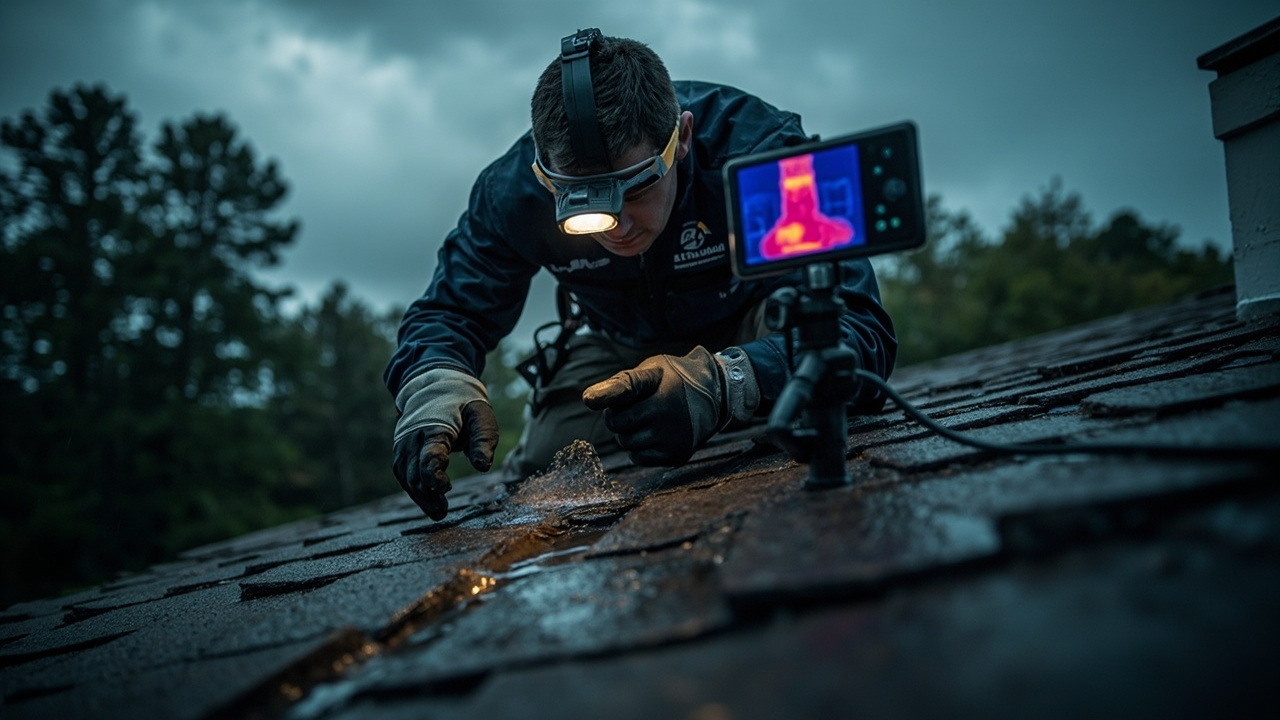
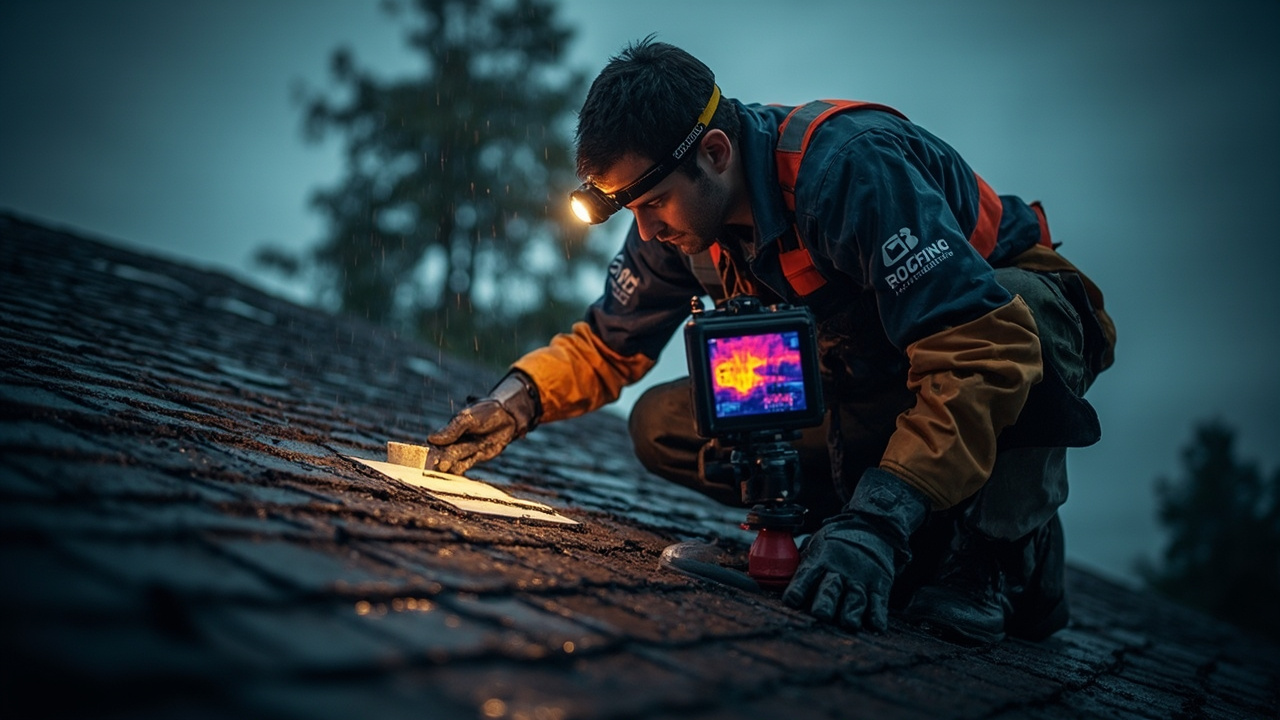
If the source remains hidden, we use thermal imaging cameras to spot temperature differentials caused by moisture, or we perform controlled water tests to simulate rain and watch where it enters. We document the breach point with photos so you understand exactly what failed and why.

Once located, we prioritize immediate containment. Temporary tarps, roof cement, or emergency flashing patches stop further intrusion while we develop a permanent repair plan.

What Happens When You Call for Emergency Leak Detection

Emergency Roof Leak Detection in Hattiesburg – 24/7 Dispatch Stops Water Damage Before It Spreads
01

Immediate Dispatch and Arrival

You call, we roll. No appointment scheduling, no waiting until morning. Our dispatcher logs your location, confirms the symptoms, and sends a technician equipped with leak detection tools, safety gear, and temporary containment materials. In most Hattiesburg situations, we arrive within 60 to 90 minutes, even during storms. If the leak is active and dangerous, we walk you through interim containment steps over the phone while our team is en route.
02

Active Leak Tracing

Once on site, we assess both interior damage and roof conditions. We move through your attic, trace moisture patterns, and inspect the roof surface for the breach point. Using moisture meters, thermal imaging, and hands-on inspection of flashing, shingles, and penetrations, we isolate where water is entering. If the leak is intermittent, we simulate rain conditions to confirm the source. You get a clear explanation of what failed, why it failed, and what the water has already damaged.
03

Temporary Containment and Repair Plan

We stop the water immediately with tarps, emergency sealant, or temporary flashing patches. This containment holds through the next storm while we prepare a detailed repair estimate. You receive documentation of the breach, photos of the damage, and a prioritized action plan. If insurance is involved, we provide the evidence adjusters need. The emergency is over, and you move forward with a clear path to permanent repair instead of guessing in the dark.

Why Hattiesburg Homeowners Call Us When Water Breaks Through

When your roof is leaking at 2 a.m. during a thunderstorm, you need someone who answers the phone, knows how to find the problem in the dark, and brings the tools to stop it tonight. You do not need a voicemail, a next-day callback, or a roofer who only works in good weather.

We built our emergency response system for Hattiesburg's weather patterns. Summer storms roll in fast and drop heavy rain in short bursts. Hurricane season brings sustained wind-driven rain that finds every weak point in your roof assembly. Winter freeze-thaw cycles crack sealant around flashing and vent pipes. We have traced leaks through all of it, and we know where water hides in local roof designs.

Our technicians understand the common vulnerabilities in Hattiesburg homes. Many roofs in older neighborhoods like Parkhaven or Oak Grove feature complex hip and valley configurations where metal flashing ages out before the shingles do. Homes near the Longleaf Trace or around the University of Southern Mississippi campus often have mature oak trees that drop branches and debris, clogging valleys and creating damming points. New construction in expanding subdivisions east of Highway 98 sometimes reveals flashing installation shortcuts that fail within the first five years.

We do not subcontract emergency calls. The technician who answers your call is the same person who climbs your roof. We carry moisture detection equipment, thermal cameras, tarps, roof cement, and emergency flashing materials on every truck. We document everything because we know insurance companies demand proof of the failure point and the resulting damage.

You get straight answers. If the leak requires a minor flashing repair, we tell you. If the sheathing is rotted and needs replacement, we show you why. No upselling, no scare tactics, just the facts about what failed and what it takes to fix it permanently.

What You Can Expect During an Emergency Roof Leak Call

Response Time and Availability

We operate 24/7 because roof leaks do not wait for business hours. When you call our emergency line, a live dispatcher answers and logs your information immediately. We dispatch a technician to your Hattiesburg location within 60 to 90 minutes in most cases. During severe weather events when multiple calls come in, we prioritize based on active water intrusion and structural risk. You receive an estimated arrival time and a callback if conditions delay our response. We do not leave you guessing. If the situation is dangerous or the leak is severe, our dispatcher provides guidance on immediate containment steps you can take safely while we are en route.

The Leak Detection Process

Our technician arrives with moisture meters, thermal imaging cameras, and inspection tools. We start inside, tracing water stains and checking attic spaces for saturation patterns. Then we move to the roof, inspecting flashing, shingles, valleys, and penetration points. If the leak is intermittent, we may use controlled water tests to recreate the failure. You get a clear explanation of where the water is entering, what caused the breach, and what damage has occurred. We take photos and document findings so you understand the problem and have evidence for insurance claims if needed. The inspection is thorough but fast because containment is the priority.

Immediate Containment Results

Once we locate the breach, we stop the water. Depending on the failure type, we apply roof cement, install temporary flashing patches, or secure tarps over the compromised area. These containment measures hold through storms and prevent further interior damage while we develop a permanent repair plan. You walk away knowing the active leak is controlled, not just covered up. We provide a written estimate for permanent repairs, prioritized by urgency. If you need emergency sheathing replacement or structural drying, we coordinate those services. The goal is to move you from crisis to solution as quickly as possible.

Follow-Up and Permanent Repair

After containment, we schedule permanent repairs based on your timeline and budget. If insurance is covering the damage, we provide detailed documentation and work directly with adjusters to ensure accurate claims. Our repair work addresses both the breach point and any secondary damage like rotted sheathing or compromised insulation. Once repairs are complete, we walk you through what was fixed and what to monitor going forward. We also offer maintenance inspections to catch small issues before they become emergency leaks. You are not left on your own after the crisis passes.

Frequently Asked Questions

You Have Questions,
We Have Answers

How do I pinpoint where my roof is leaking? +

Start in your attic during daylight. Look for water stains, mold, or daylight coming through the decking. Trace the water upward along rafters since water travels downhill before dripping. Check areas where roof planes meet, around chimneys, and near pipe boots. If you cannot access the attic, look for ceiling stains and check directly above them on the exterior for damaged shingles, lifted flashing, or debris buildup. Mark the suspected area with chalk so a professional can inspect it quickly when they arrive.

Is a roof leak an emergency? +

Yes. Any active water intrusion threatens your home's structure, electrical system, and belongings. Water spreads fast through insulation and drywall, causing mold growth within 24 hours. Even small leaks weaken roof decking and framing over time. If you see water dripping, spreading ceiling stains, or bulging drywall, call a roofer immediately. Place buckets under active drips and move valuables away from wet areas. Do not wait until morning or the weekend. Water damage compounds every hour you delay, turning a simple repair into a full structural job.

Does homeowners insurance pay for a leaky roof? +

It depends on the cause. Insurance covers sudden, accidental damage like storm damage, fallen trees, or wind-driven rain through damaged shingles. Insurance does not cover leaks from wear, neglect, or deferred maintenance. If your roof is past its expected lifespan or you skipped repairs, the claim will likely be denied. Document everything with photos and timestamps. Call your agent immediately after securing the leak. A professional inspection report strengthens your claim by proving the damage was sudden and unforeseeable, not gradual deterioration.

How do plumbers find hidden leaks? +

Plumbers use thermal imaging cameras to detect temperature differences where water evaporates behind walls. They also use moisture meters that measure water content in drywall and framing without cutting holes. For pressurized lines, they introduce tracer gas or listen with acoustic equipment to pinpoint hissing sounds. Roofers use similar tools but focus on attic spaces and roof penetrations. If water damage appears on ceilings, start with a roofer. If it is near bathrooms or under slabs, call a plumber. The source dictates the specialist you need.

What is the most common location to find a roof leak? +

Roof penetrations and transitions cause most leaks. Chimneys, vent pipes, skylights, and valleys collect water and depend on flashing to redirect it. Flashing fails when sealant cracks, nails back out, or metal corrodes. Valleys channel high water volume, so any debris or damaged shingles there create immediate problems. Check these areas first during inspections. Step flashing around chimneys and counter flashing along walls are vulnerable points. Even new roofs leak if flashing is installed wrong. These spots need professional attention since DIY fixes usually fail within months.

How do I find a hidden roof leak? +

Go into the attic during or right after rain. Bring a flashlight and look for wet insulation, water trails on rafters, or dark stains on the roof decking. Start at the lowest point where water appears inside your home, then trace upward and upslope on the underside of the roof. Water can travel several feet horizontally before dripping. If you cannot access the attic, a roofer can use moisture meters or infrared cameras to map wet areas without tearing into your ceiling. Do not ignore mystery stains. Hidden leaks rot framing silently for years.

Who to call to check for roof leaks? +

Call a licensed roofing contractor, not a handyman. Roofers carry liability insurance, understand flashing details, and know local building codes. Avoid door knockers after storms. They disappear before warranty issues surface. Ask neighbors for referrals or check online reviews that mention emergency response times and insurance claim help. A qualified roofer will inspect the entire roof system, not just patch the obvious hole. They document findings with photos, which helps if you file an insurance claim. Do not call a general contractor first. Roofing is specialized work.

Is it normal for a roof to leak in heavy rain? +

No. A properly installed roof should never leak, even during heavy rain or wind-driven storms. If water comes in during hard rain, your roof has a defect or damage. Common causes include missing shingles, failed flashing, clogged gutters forcing water under shingles, or improper valley installation. Age matters. Roofs near the end of their lifespan lose granules and flexibility, letting water penetrate. Do not ignore occasional leaks. They indicate a failure point that will worsen. Schedule an inspection immediately to prevent interior damage and mold growth.

How urgent is a leaking roof? +

Extremely urgent. Every hour water sits inside your home increases damage. Drywall swells and crumbles. Insulation becomes useless. Mold spores colonize within 24 hours. Electrical wiring gets exposed to moisture, creating fire and shock hazards. Structural wood begins rotting after repeated exposure. Even if the drip seems small, water spreads horizontally through insulation before you see it. Stop the water source first with tarps or buckets, then call a roofer immediately. Do not wait for normal business hours. Many companies offer emergency response because they understand the stakes.

How to make a successful roof leak insurance claim? +

Document everything immediately. Take photos and videos of the leak, interior damage, and the roof exterior if safe. Note the date and time water first appeared. Call your insurance agent before making repairs, but do take emergency steps to stop further damage like tarping the roof. Get a professional inspection report that identifies the cause. Insurance covers sudden damage, not neglect, so the report must prove the leak was unexpected. Keep all receipts for emergency repairs. Submit your claim with photos, the inspection report, and a detailed timeline within 24 hours of discovery.

Why Hattiesburg's Humidity and Storm Patterns Make Emergency Leak Detection Critical

Hattiesburg sits in the Pine Belt, where humidity levels average 75 percent year-round and summer storms deliver intense rain in short bursts. This climate does not forgive roof leaks. Once water breaches your roof assembly, the saturated air prevents evaporation. Moisture lingers in sheathing, insulation, and framing. Mold colonizes within 48 hours. The combination of high humidity and frequent thunderstorms means a small flashing failure can escalate into widespread rot and microbial growth faster than in drier climates. Emergency roof water intrusion detection is not optional here. It is damage control. The longer water sits in your roof structure, the more expensive the remediation becomes. Immediate roof leak locator services stop the clock on hidden damage you cannot see but will definitely pay for later.

Hattiesburg homeowners understand the value of local expertise. Our technicians know the common roof configurations in neighborhoods from West Hattiesburg to the Historic Neighborhood District. We recognize the flashing details used by local builders, the typical shingle lifespans given our UV exposure and humidity, and the tree species that cause the most debris problems. We work with the same insurance adjusters you call, and we understand what documentation they require for claims. When you need 24/7 roof leak tracing, you want someone who has traced leaks through Hattiesburg storms before, who knows where water hides in local roof assemblies, and who keeps emergency materials stocked for immediate containment. Local knowledge translates to faster diagnosis and better outcomes when every minute matters.

Where To Find Us

Elite Roofing Hattiesburg provides trusted, high-quality roofing services for homes and businesses across South Mississippi. We specialize in roof repair, replacement, and inspections using top-grade materials and skilled workmanship. Our local team delivers honest advice, fair pricing, and lasting results—protecting what matters most, your home.

Address:
Elite Roofing Hattiesburg, 7 Professional Pkwy, Hattiesburg, MS, 39402

Additional Services We Offer

Our news updates

Latest Articles & News from The Blogs

Lorem ipsum dolor sit amet. Aut expedita quaerat quo eligendi numquam et laudantium perspiciatis qui minima expedita rem consequatur ducimus.…

Test Blog 4

Lorem ipsum dolor sit amet. Aut expedita quaerat quo eligendi numquam et laudantium perspiciatis qui minima expedita rem consequatur ducimus.…

Test Blog 3

Lorem ipsum dolor sit amet. Aut expedita quaerat quo eligendi numquam et laudantium perspiciatis qui minima expedita rem consequatur ducimus.…

Test Blog 2

Lorem ipsum dolor sit amet. Aut expedita quaerat quo eligendi numquam et laudantium perspiciatis qui minima expedita rem consequatur ducimus.…