Menu

Does Homeowners Insurance Cover Roof Leaks in Hattiesburg – Get Clear Answers Before Filing Your Claim

Understanding what does homeowners insurance cover roof leaks means knowing what triggers coverage, what exclusions exist, and how to document damage properly to avoid claim denials in Hattiesburg's humid climate.

Slider Image 1
Slider Image 2
Slider Image 3
Slider Image 4
Slider Image 5
Slider Image 7
Slider Image 8
Slider Image 9
Slider Image 10
Slider Image 11

When Roof Leaks Turn Into Insurance Questions in Hattiesburg

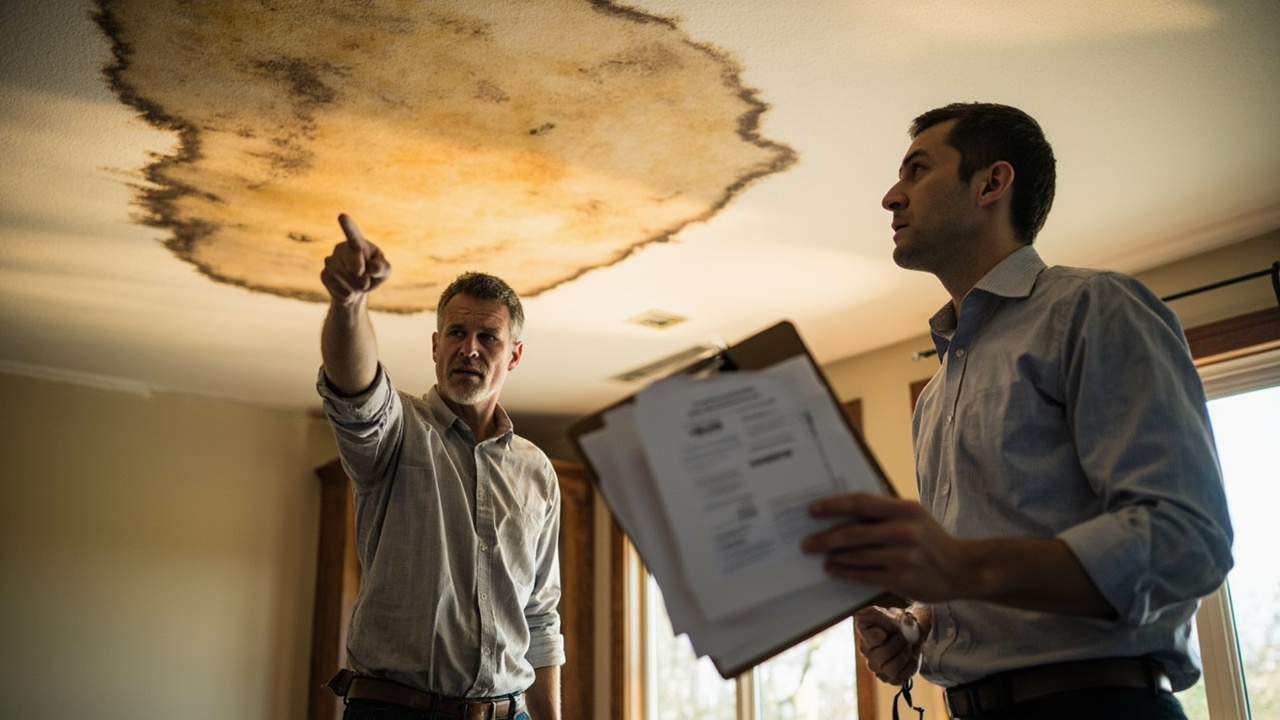
You walk into your living room after a thunderstorm and see water staining your ceiling. Your first thought is probably whether your homeowners insurance will pay for it. The answer depends on what caused the leak, not just that the leak exists.

Hattiesburg's climate creates specific challenges for roofs. High humidity accelerates shingle deterioration. Summer storms with 60-mile-per-hour winds can lift edge flashing and break seals around penetrations. Hurricane season brings the risk of catastrophic wind damage. Winter freeze-thaw cycles, though less extreme than northern states, still cause expansion and contraction that stresses roof materials.

Insurance companies distinguish between sudden, accidental damage and gradual deterioration. If a pine branch crashes through your roof during a storm, that triggers home insurance coverage for roof leaks. If your 20-year-old shingles finally gave out from age and wear, that does not.

The confusion comes from not understanding this difference. Many Hattiesburg homeowners believe is leaking roof covered by homeowners insurance is a yes-or-no question. It is not. The cause determines everything.

Does home insurance pay for roof leak repair when wind damage creates the opening? Yes. When deferred maintenance allowed the problem to develop? No. When a covered peril like hail impact creates the vulnerability? Yes. When algae growth from our humid conditions slowly degraded the shingles? No.

Understanding homeowners insurance claim for roof leak requirements means documenting the cause immediately. Waiting three weeks to report wind damage makes proving causation harder. Taking photos right after a storm event creates the timeline insurers need to approve roof water damage insurance coverage.

The key is knowing what you are looking at when you spot a leak.

When Roof Leaks Turn Into Insurance Questions in Hattiesburg
What Actually Triggers Insurance Coverage for Roof Leaks

What Actually Triggers Insurance Coverage for Roof Leaks

Insurance policies cover sudden and accidental direct physical loss. That legal language means something specific. Sudden means it happened quickly, not over months or years. Accidental means you did not expect it or cause it through neglect. Direct physical loss means an external force caused damage you can see.

Wind damage is the most common covered cause in Hattiesburg. When straight-line winds exceed 50 miles per hour, they can lift shingle tabs, tear off ridge caps, and rip flashing away from chimneys and skylights. Once the waterproof barrier breaks, water enters. That sequence triggers coverage.

Hail damage also qualifies. Hailstones create bruising on asphalt shingles, fracturing the granule layer and exposing the mat underneath. This compromises the shingle's ability to shed water. If you can document hail in your area on a specific date and your roof shows impact marks consistent with that event, insurers typically cover the repair or replacement.

Falling objects count as covered perils. Trees, branches, and debris that strike your roof during storms cause immediate damage. The impact itself and the resulting water intrusion both fall under coverage.

Fire damage is covered. Lightning strikes are covered. These are straightforward because causation is obvious.

What does not trigger coverage is wear and tear. Insurance does not function as a maintenance plan. If your roof reaches the end of its expected lifespan, replacement falls on you. Poor installation, lack of maintenance, and code violations also void coverage. If a roofer improperly installed flashing ten years ago and it finally failed, that is not a covered event.

The distinction matters because it changes how you approach the claim process and what evidence you need.

How the Insurance Claim Process Actually Works for Roof Leaks

Does Homeowners Insurance Cover Roof Leaks in Hattiesburg – Get Clear Answers Before Filing Your Claim
01

Document the Damage Immediately

Take photos of the interior water damage, exterior roof damage, and any debris or weather conditions that caused the problem. Time-stamp everything. Check local weather reports to confirm storm activity on the date damage occurred. This documentation establishes causation before conditions change. Walk your property perimeter and photograph any visible roof damage from ground level. If you can safely access your attic, photograph wet insulation or roof decking.
02

File and Track Your Claim

Contact your insurance carrier within 24 to 48 hours. Provide your documentation and a clear timeline of events. Request a claim number and the name of your assigned adjuster. Ask when the inspection will occur. Mitigate further damage by placing tarps or buckets, but do not make permanent repairs before the adjuster inspects. Save all receipts for temporary mitigation efforts, as these are typically reimbursable under loss-of-use provisions.
03

Navigate the Adjuster Inspection

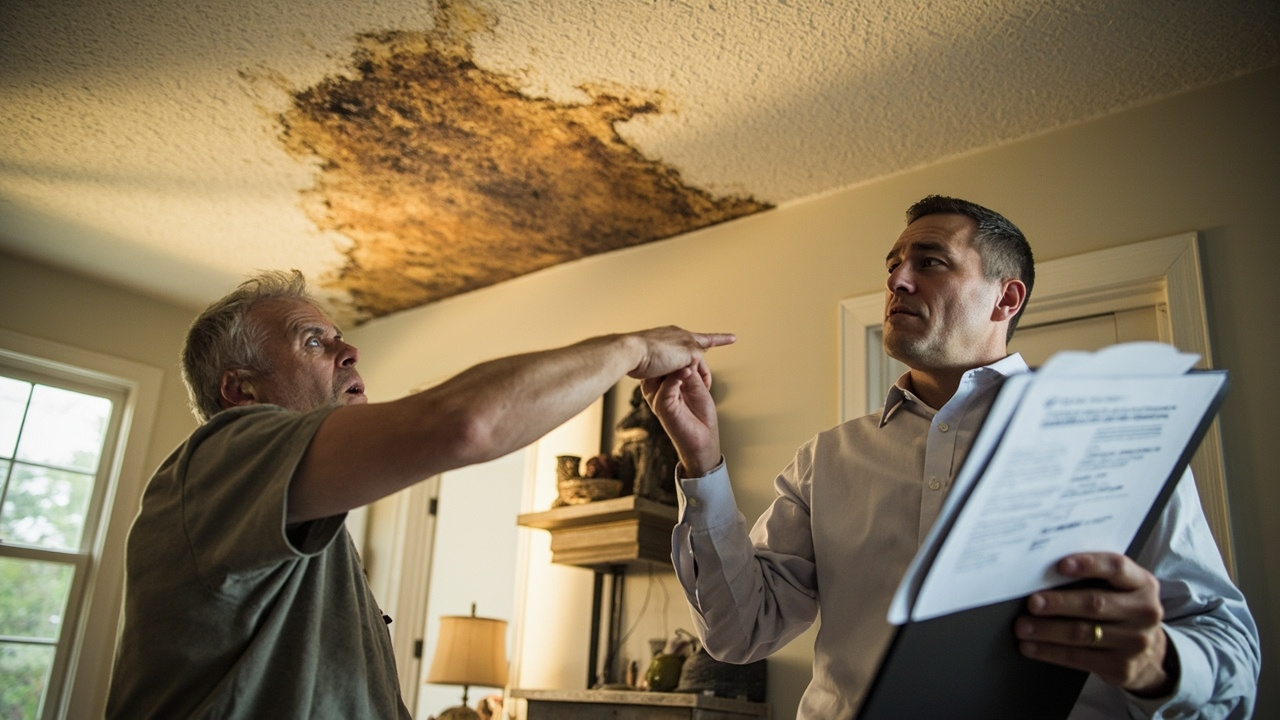
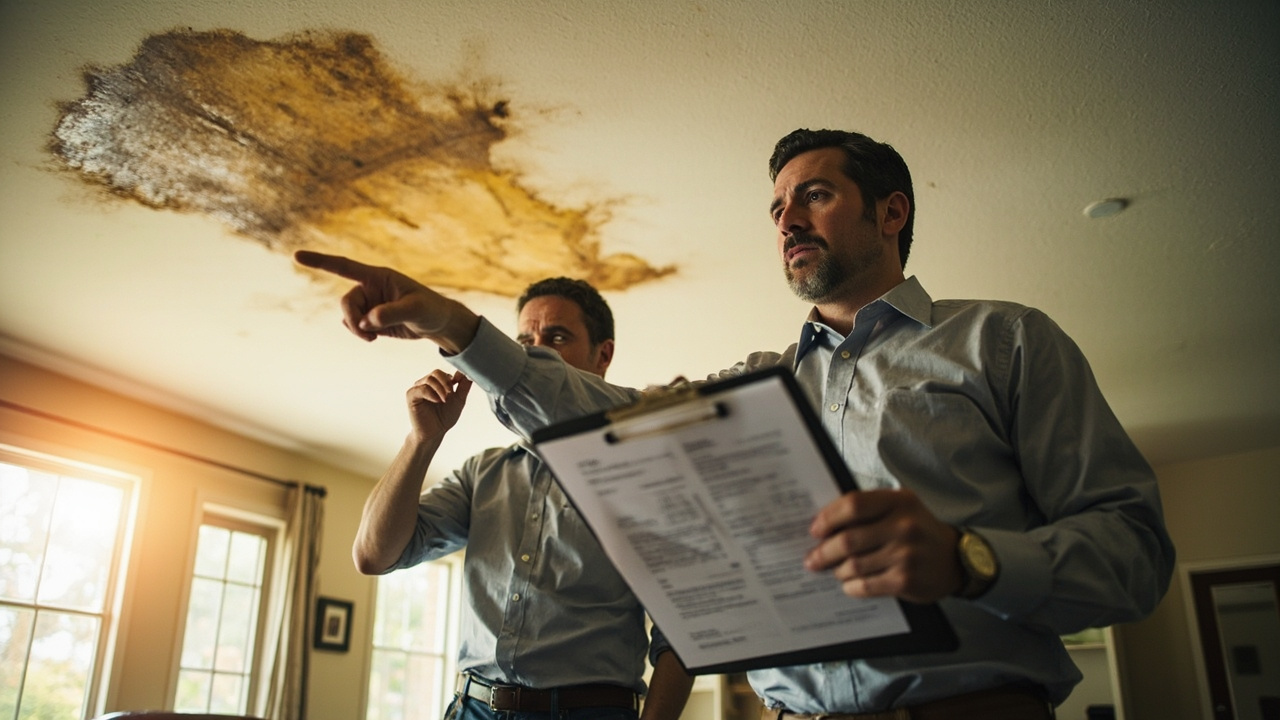
The adjuster will inspect your roof to determine if damage resulted from a covered peril. They look for wind creases in shingles, impact marks from hail, or broken flashing. If they attribute the leak to age or maintenance failure, they will deny the claim. You have the right to hire an independent roofer to provide a second opinion. Many Hattiesburg homeowners find discrepancies between adjuster findings and contractor assessments, which can form the basis for claim appeals.

Why Local Roofing Expertise Matters for Insurance Claims in Hattiesburg

Insurance adjusters work for the carrier, not for you. Their job is to assess damage, but they also have incentives to minimize payouts. A local roofing contractor who understands Hattiesburg's climate and construction practices can identify damage an adjuster might overlook or misattribute.

Pine pollen and humidity in Hattiesburg create conditions for algae and moss growth that can mask storm damage. An experienced local roofer knows to look beneath surface staining to find wind-lifted shingles or compromised sealant strips. They understand how our summer thunderstorms create specific wind patterns that damage south-facing and west-facing roof planes more than others.

Local contractors also understand the difference between cosmetic damage and functional damage. Insurers sometimes try to classify hail bruising as cosmetic when it actually shortens shingle lifespan. A contractor who works in Hattiesburg regularly knows how to document functional impairment in ways that satisfy insurance requirements.

Building codes in Hattiesburg require specific wind ratings for shingles and underlayment. When storm damage necessitates replacement, the new installation must meet current code even if the original roof was grandfathered. Local roofers know these requirements and can explain them to adjusters who might question why replacement costs exceed depreciated value estimates.

You also need someone who can communicate with adjusters in their language. Insurance claims involve specific terminology around actual cash value, replacement cost value, recoverable depreciation, and code upgrade coverage. A contractor experienced in the claims process can advocate for you without antagonizing the adjuster.

Trust matters when thousands of dollars are on the line. A local company with a reputation in Hattiesburg has more to lose from poor work or dishonest practices than a storm chaser who disappears after the insurance check clears.

What to Expect When Navigating a Roof Leak Insurance Claim

Claim Timeline and Response Speed

Most insurance companies assign an adjuster within 48 to 72 hours after you file a claim. The inspection typically occurs within five to seven days, depending on how many claims the carrier is processing. After a major storm event in Hattiesburg, this timeline can extend to two weeks or more. You will receive a written estimate within seven to ten days after the inspection. If the claim is approved, you will get an initial payment for actual cash value minus your deductible. Recoverable depreciation gets paid after repairs are complete and you submit final invoices. Total timeline from leak discovery to final payment typically runs four to eight weeks for straightforward claims.

The Inspection and Assessment Process

The adjuster will walk your roof if it is safely accessible. They measure damaged areas, count affected shingles, and photograph everything. They check for pre-existing conditions like worn shingles or improper installation that might void coverage. They also inspect your attic for signs of prior leaks or inadequate ventilation that could indicate maintenance neglect. Expect the inspection to take 30 to 60 minutes. You should be present and ask questions. If the adjuster denies coverage based on age or wear, ask them to specify exactly what evidence supports that conclusion. Request a written explanation of any denial.

Coverage Amounts and Payment Structure

Your policy will pay either actual cash value or replacement cost value, depending on your coverage type. Actual cash value means the depreciated value of your roof at the time of loss. If your roof was 15 years old with a 20-year lifespan, you might only receive 25 percent of replacement cost initially. Replacement cost value policies pay the full cost to replace the roof with similar materials. You receive depreciation holdback after completing repairs and submitting contractor invoices and final inspection photos. Your deductible applies to the total claim amount. If your roof replacement costs 12,000 dollars and your deductible is 2,500 dollars, your initial check will be significantly less after depreciation and deductible are subtracted.

Post-Repair Documentation Requirements

After your contractor completes the work, you need to submit proof of completion to receive any held depreciation. This includes a final paid invoice, photos of the completed roof, and often a certificate of completion. Some carriers require a final inspection by the original adjuster before releasing remaining funds. Keep copies of all permits pulled for the work, as this proves code compliance. Save your contractor's warranty information and material manufacturer warranties. These documents protect you if issues arise later and can be important if you need to file a future claim. The insurance company typically closes the claim within 30 days of receiving final documentation.

Frequently Asked Questions

You Have Questions,
We Have Answers

How do I make a successful roof leak insurance claim? +

Document the damage immediately with photos and videos showing the leak source, water intrusion, and affected areas. Contact your insurer within 24 hours to file the claim. Prevent further damage by placing buckets, tarping the roof, or calling an emergency repair service. Save all receipts. Do not make permanent repairs before the adjuster inspects the damage. Provide your policy number, date of loss, and a clear description of what happened. A local roofing contractor can provide a damage assessment to support your claim and expedite the process.

What kind of roof damage is covered by insurance? +

Insurance covers sudden, accidental damage like wind lifting shingles, hail impact, falling tree limbs, or fire. Windstorm damage, including torn flashing and blown-off ridge caps, qualifies if it happens in a single event. Ice dam damage may be covered if it causes sudden water intrusion. Coverage applies when the roof was properly maintained before the incident. Your policy likely excludes wear and tear, neglected maintenance, and gradual deterioration. Storm damage that occurs in one identifiable weather event gets covered. Manufacturer defects and poor installation are not covered.

Is repair to a leaking roof a fixed cost? +

No. Roof leak repairs vary significantly based on the cause, location, and extent of damage. A simple flashing repair might cost a few hundred dollars, while replacing multiple damaged shingle sections or repairing structural decking runs higher. Water damage to ceilings, insulation, and walls adds to the total. Your insurance deductible applies before coverage kicks in. Get multiple estimates from licensed roofers to understand the scope. Emergency repairs during off-hours or storms cost more. The final price depends on materials needed, labor hours, and accessibility of the damaged area.

What type of water damage is not covered by insurance? +

Insurance excludes water damage from neglect, gradual leaks, and maintenance failures. If your roof deteriorated over time due to missing shingles you ignored, the resulting water damage is not covered. Groundwater seepage, sewer backups without specific endorsements, and flooding require separate flood insurance. Mold growth from long-term moisture problems gets denied. Condensation damage from poor ventilation is excluded. Leaks from a roof past its service life are considered wear and tear. If you knew about a problem and delayed repairs, the insurer can deny the claim for negligence.

Can an insurance company pay if you have a leaky roof? +

Yes, if the leak resulted from covered peril like storm damage, falling objects, or sudden accidental events. The insurer pays for repairs minus your deductible. They cover water damage to your home's interior, including ceilings, walls, and flooring caused by the leak. Payment depends on proving the damage was sudden and unforeseeable. The adjuster inspects the roof to verify the cause. If the leak stemmed from deferred maintenance or an old roof, they will deny payment. Keep maintenance records to prove the roof was in good condition before the incident.

What should you not say when making an insurance claim? +

Never admit fault or say you delayed maintenance. Do not speculate about the cause or say the roof was old or in poor shape. Avoid phrases like "it's been leaking for months" or "I should have fixed it sooner." Do not exaggerate damage or provide inaccurate dates. Never say "I'm not sure" about your coverage limits. Do not agree to a settlement amount before getting repair estimates. Avoid casual statements like "the roof was probably ready to fail." Stick to facts about what happened and when. Let the adjuster determine causation.

Can insurance deny a roof claim? +

Yes. Insurers deny claims for maintenance-related damage, pre-existing conditions, policy exclusions, or lack of coverage for the specific peril. If the adjuster determines the roof failed due to age, improper installation, or neglect, they will deny payment. Claims filed after the policy lapse or for damage that occurred before your coverage started get rejected. Insufficient documentation or missed filing deadlines result in denials. If the roof was already compromised and a storm caused additional damage, they may cover only the new damage portion. Always review denial letters carefully and appeal if warranted.

Who pays for roof repairs? +

If insurance covers the damage, your insurer pays minus your deductible. You pay the deductible amount directly to the contractor. For non-covered damage like wear and tear, you pay the full repair cost. In rental properties, landlords pay for roof repairs unless tenant negligence caused the damage. HOA policies may cover common area roofs in condos or townhomes. If a contractor's poor workmanship caused the leak, their liability insurance should cover repairs. For older roofs, you might pay partial costs if the insurer applies depreciation to the claim payout.

Are leaks covered under house insurance? +

Yes, but only for sudden, accidental leaks from covered perils. Your homeowners policy covers storm damage, falling trees, vandalism, or fire-related roof breaches that cause interior water damage. The policy pays for both roof repairs and damage to your belongings, ceilings, and walls. Gradual leaks from maintenance neglect are excluded. Your coverage includes emergency repairs to prevent further damage after a covered event. Read your policy declarations page to understand your dwelling coverage limits and deductible. Actual cash value policies pay depreciated amounts while replacement cost policies pay full repair costs.

Is it normal for a roof to leak in heavy rain? +

No. A properly installed and maintained roof should not leak during heavy rain. Leaks indicate a problem like damaged shingles, compromised flashing, clogged gutters, or failed sealant around penetrations. Heavy rain exposes existing vulnerabilities that light rain does not reveal. Wind-driven rain can enter through small gaps or lifted shingles. If your roof leaks only during storms, you have an active failure point that needs immediate repair. Ignoring storm leaks leads to structural damage, mold growth, and insulation saturation. Schedule a professional inspection to identify the entry point before the next weather event.

How Hattiesburg's Hurricane Zone Status Affects Roof Leak Insurance Coverage

Hattiesburg sits in a moderate hurricane risk zone, about 70 miles inland from the Gulf Coast. While the city does not face the same wind speeds as coastal areas, tropical systems still bring heavy rain and sustained winds that test roof integrity. Insurance carriers operating in Mississippi factor this risk into policy terms. Many homeowners in Hattiesburg face percentage-based wind and hail deductibles rather than flat-dollar amounts. This means a home insured for 200,000 dollars with a two percent wind deductible pays 4,000 dollars out of pocket before coverage kicks in. Understanding homeowners insurance claim for roof leak requirements in our area means knowing whether wind damage triggers this higher deductible or your standard deductible applies.

Local roofing contractors in Hattiesburg understand Mississippi insurance regulations and common carrier practices in the region. They know which carriers tend to depreciate heavily and which ones process claims more fairly. They understand how to document damage in ways that satisfy both State Farm and local mutuals. This knowledge matters because roof water damage insurance coverage in our area often involves navigating wind versus rain causation disputes. When Hurricane Ida's remnants dumped rain on Hattiesburg in 2021, many homeowners filed claims. Contractors who understood how to document wind-driven rain versus simple water intrusion helped clients get approvals others missed. Local expertise translates directly into better claim outcomes.

Where To Find Us

Elite Roofing Hattiesburg provides trusted, high-quality roofing services for homes and businesses across South Mississippi. We specialize in roof repair, replacement, and inspections using top-grade materials and skilled workmanship. Our local team delivers honest advice, fair pricing, and lasting results—protecting what matters most, your home.

Address:
Elite Roofing Hattiesburg, 7 Professional Pkwy, Hattiesburg, MS, 39402

Additional Services We Offer

Our news updates

Latest Articles & News from The Blogs

Lorem ipsum dolor sit amet. Aut expedita quaerat quo eligendi numquam et laudantium perspiciatis qui minima expedita rem consequatur ducimus.…

Test Blog 4

Lorem ipsum dolor sit amet. Aut expedita quaerat quo eligendi numquam et laudantium perspiciatis qui minima expedita rem consequatur ducimus.…

Test Blog 3

Lorem ipsum dolor sit amet. Aut expedita quaerat quo eligendi numquam et laudantium perspiciatis qui minima expedita rem consequatur ducimus.…

Test Blog 2

Lorem ipsum dolor sit amet. Aut expedita quaerat quo eligendi numquam et laudantium perspiciatis qui minima expedita rem consequatur ducimus.…