Menu

Rotting Fascia Boards in Hattiesburg – Stop Water Damage Before It Destroys Your Roof Deck

Hattiesburg's humid climate accelerates fascia rot, allowing water to seep into roof decking and attic spaces. We diagnose the full extent of deteriorating fascia boards and replace them before structural damage spreads.

Slider Image 1
Slider Image 2
Slider Image 3
Slider Image 4
Slider Image 5
Slider Image 7
Slider Image 8
Slider Image 9
Slider Image 10
Slider Image 11

How Hattiesburg's Climate Causes Fascia Wood Decay

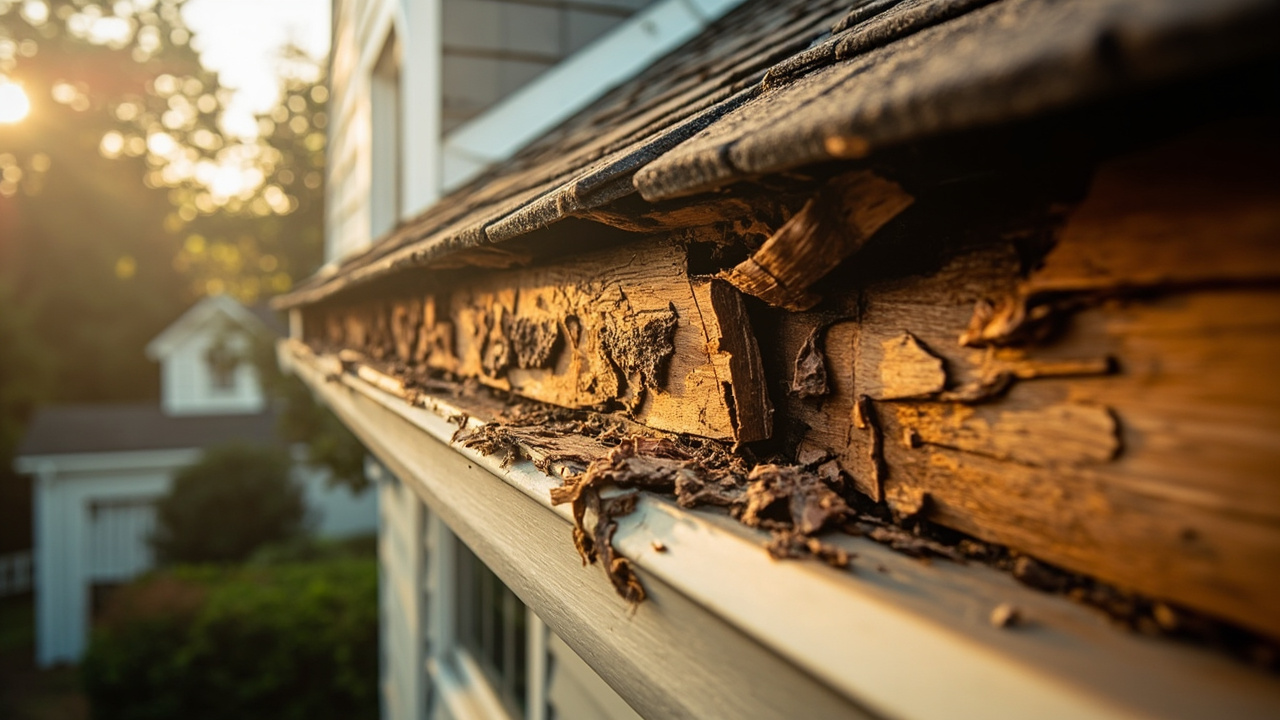
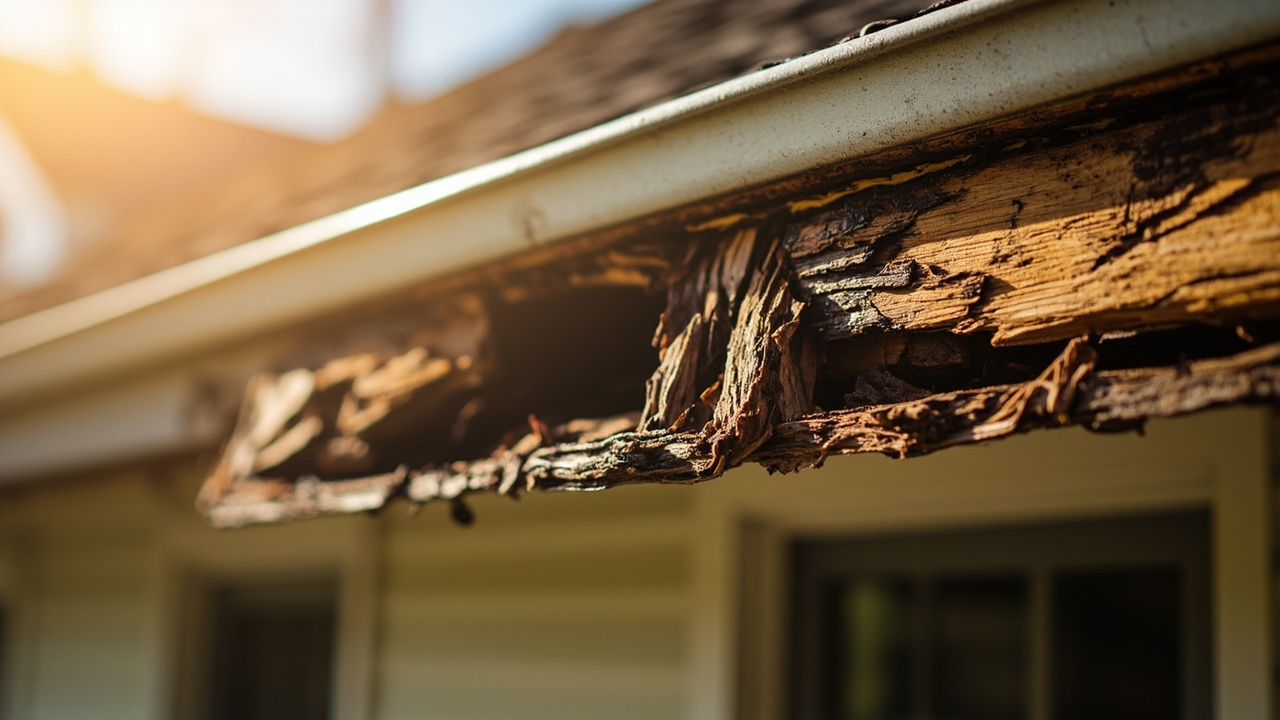
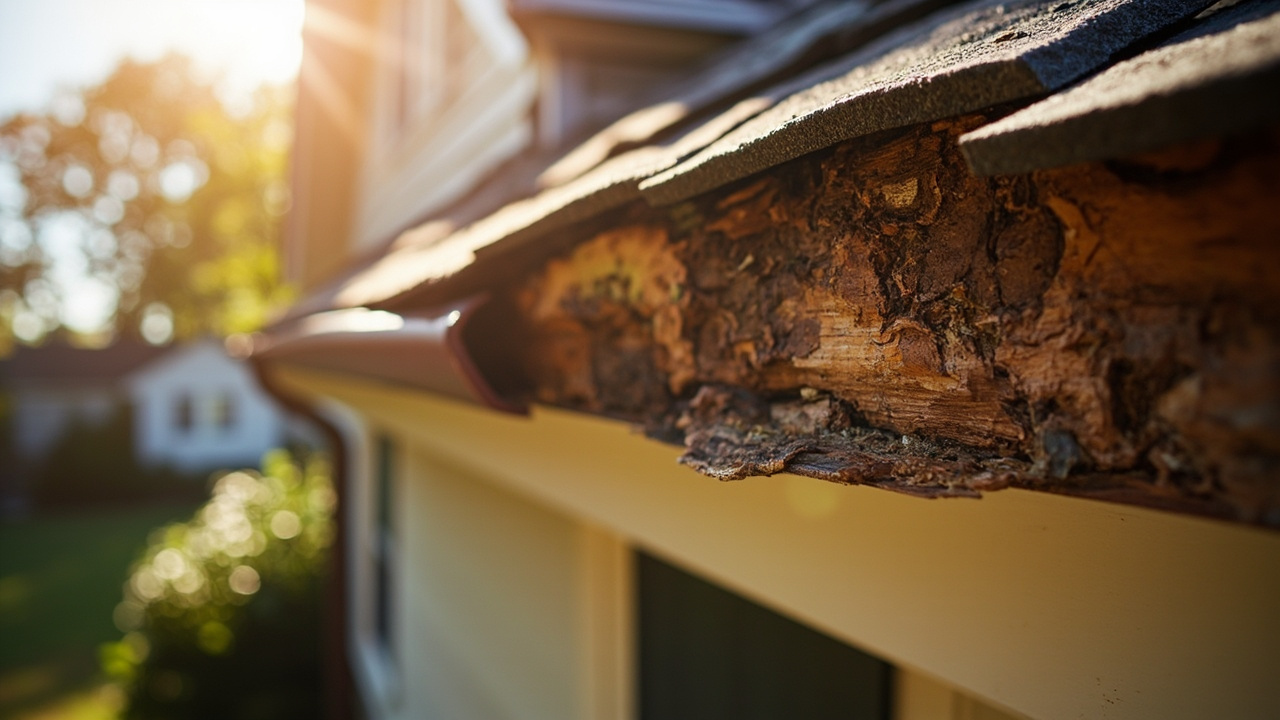
You notice soft, spongy wood along your roofline. Paint peels away in sheets. Water stains streak down your siding after every rain. These are the visible signs of rotting fascia boards, and Hattiesburg's climate makes this problem worse than in drier regions.

The consistent humidity in southern Mississippi keeps fascia wood damp for extended periods. When your gutters overflow or clog with pine needles and oak leaves, water sits against the fascia for hours instead of draining properly. The wood absorbs moisture, swells, then contracts as it dries. This cycle repeats with every thunderstorm that rolls through Forrest County.

Decayed fascia wood does not just look bad. It stops supporting your gutter system, which means water pours directly onto your foundation instead of flowing away from your home. Rotten roof fascia also exposes the ends of your roof decking to moisture. Once water reaches the decking, you face a much more expensive repair that involves tearing off shingles and replacing structural lumber.

The pine and composite materials commonly used in fascia boards absorb moisture faster in humid climates. Water damaged fascia becomes a home for carpenter ants and termites, which tunnel through the soft wood and move into your roof structure. What starts as a cosmetic issue becomes a structural threat.

Deteriorating fascia boards also compromise your soffit ventilation system. When fascia rot progresses, the entire edge of your roofline loses stability. Your gutters pull away from the house, and water finds new paths into your walls and attic insulation.

You cannot stop Hattiesburg's humidity, but you can stop the damage before it spreads beyond the fascia.

How Hattiesburg's Climate Causes Fascia Wood Decay
The Right Way to Replace Decayed Fascia Wood

The Right Way to Replace Decayed Fascia Wood

Most homeowners only see the visible portion of fascia rot. The real problem hides behind the board, where moisture has already damaged the rafter tails and roof decking. We do not just replace the fascia and call it finished. We remove the damaged board completely and inspect what lies beneath.

The first step involves pulling down any gutters attached to the rotting fascia boards. We examine the drip edge and check whether water has wicked up under the shingles. If the bottom course of shingles shows water staining, we remove enough material to expose the roof decking. Rotten decking requires replacement before we install new fascia. Skipping this step means the new fascia will rot again within two years.

We inspect rafter tails for decay. These are the exposed ends of your roof framing that the fascia covers. If water has penetrated the rafter tails, we sister new lumber alongside the damaged section or cut back to solid wood and add a treated extension. This maintains the structural integrity of your roof edge.

The replacement fascia must match the profile and dimensions of your existing boards. We use pressure-treated lumber or PVC boards depending on your budget and long-term maintenance preferences. Pressure-treated wood resists moisture better than standard pine but still requires painting. PVC fascia costs more upfront but eliminates future rot issues entirely.

We seal all joints with exterior-grade caulk and prime every surface before painting. The back side of the fascia board gets primer too, which most contractors skip. We reinstall the drip edge so it directs water away from the new fascia, then rehang gutters with proper slope to prevent future overflow.

The goal is not just cosmetic repair. We eliminate the conditions that caused fascia rot in the first place.

What Happens During Fascia Board Replacement

Rotting Fascia Boards in Hattiesburg – Stop Water Damage Before It Destroys Your Roof Deck
01

Damage Assessment

We inspect the full length of your fascia boards from ground level and roof level. A ladder inspection reveals soft spots, discoloration, and separation from the rafter tails. We use a moisture meter to detect hidden water damage that has not yet shown visible decay. We photograph problem areas and explain which sections require immediate replacement versus monitoring. This prevents unnecessary work while addressing actual structural risks.
02

Removal and Structural Repair

We remove damaged fascia sections and expose the rafter tails and roof decking. Any decayed wood gets cut back to solid material. We reinforce compromised rafter tails with sistered lumber and replace sections of roof decking if water has caused delamination or soft spots. We treat all exposed wood with a borate solution to prevent future insect infestation. This phase determines whether your repair stays simple or requires more extensive structural work.
03

Installation and Weatherproofing

We install new fascia boards using galvanized nails driven into solid rafter tails. Every joint receives exterior caulk to block moisture entry. We reinstall or upgrade the drip edge so water flows into gutters instead of behind the fascia. The new boards get primed on all six sides before installation, then receive two finish coats after mounting. We rehang gutters with proper pitch and add gutter guards if requested. Your roofline now sheds water correctly.

Why Local Roofing Knowledge Matters for Fascia Repairs

Contractors from outside the region do not understand how quickly wood deteriorates in Hattiesburg's climate. They use the same materials and methods they would in Memphis or Birmingham, then wonder why callbacks happen within three years. Fascia replacement in southern Mississippi requires different material choices and installation techniques than in drier climates.

We know which lumber suppliers in Forrest County stock properly kiln-dried treated lumber. Wet lumber shrinks as it dries on your house, creating gaps where water enters. We select boards with the correct moisture content and inspect each piece before installation. This attention to material quality prevents premature failure.

The architectural styles common in Hattiesburg's older neighborhoods require custom fascia profiles. Victorian homes in the Historic Neighborhood District need fascia boards with decorative edges that match the original millwork. Ranch homes from the 1960s use different dimensions than modern construction. We match existing profiles so repairs blend invisibly with the original roofline.

We also understand local pest patterns. Formosan termites thrive in Mississippi's humidity and target water damaged fascia as entry points. We treat replacement lumber with termiticide and install physical barriers where fascia meets brick veneer. These preventive steps stop infestations before they start.

Our familiarity with Hattiesburg's building department means we know when permits are required for fascia replacement. Extensive repairs that involve roof decking replacement need permits and inspections. We handle the paperwork and schedule inspections so your project stays compliant with local codes.

We source materials locally, which means faster project starts and no shipping delays. When we order custom-milled fascia boards, they come from suppliers within 50 miles. This keeps your home weathertight instead of sitting exposed while materials ship from out of state.

Local expertise is not about marketing. It is about understanding the specific challenges Hattiesburg roofs face and solving them correctly the first time.

What You Should Know Before Starting Fascia Repairs

How Long Fascia Replacement Takes

Simple fascia board replacement on a single-story home takes one to two days depending on the linear footage and accessibility. We complete most residential projects without requiring you to leave your home or interrupt your routine. Two-story homes or repairs that involve extensive rafter tail damage take three to five days because we need scaffolding and more time for structural repairs. Weather delays are possible since we cannot install new fascia during active rain. We tarp exposed areas at the end of each workday so your home stays protected overnight.

The Initial Roof Edge Inspection

We examine your fascia from the ground using binoculars to identify obvious problem areas, then climb onto the roof to inspect the connection points between fascia and roof decking. We check for water stains on the underside of the soffit and test suspect boards for soft spots by pressing with a screwdriver. You receive a written assessment that identifies which sections need immediate replacement, which areas show early decay, and which boards remain sound. We take photos of problem areas so you see exactly what we found. This inspection takes 30 to 45 minutes.

The Quality of Finished Fascia Work

Properly installed fascia boards sit flush against rafter tails with no gaps or waviness along the roofline. All joints land on solid framing, not in open spans where they sag over time. The drip edge covers the top of the fascia by at least one inch to block water intrusion. Paint coverage is uniform with no bare wood showing at nail heads or seams. Gutters rehang level with a slight pitch toward downspouts. You should not see any exposed wood grain or light showing through joints when you stand back and examine the roofline. The fascia looks original, not patched.

Protecting New Fascia Long Term

New fascia boards resist rot better than the originals, but they still need protection from constant moisture exposure. We recommend cleaning gutters twice per year to prevent overflow that soaks the fascia. Repaint the fascia every five to seven years to maintain the moisture barrier. Watch for peeling paint or discoloration, which signals that water is getting behind the finish. Trim back tree branches that shade the roofline and prevent fascia from drying between rains. We offer annual roof inspections that include checking fascia condition before small problems become major repairs.

Frequently Asked Questions

You Have Questions,
We Have Answers

Why are my fascia boards rotting? +

Fascia boards rot when water gets trapped behind gutters or between the fascia and roofline. Clogged gutters overflow and soak the wood repeatedly. Failed caulking at the drip edge allows water to seep in. Poor ventilation traps moisture inside the soffit cavity. Paint failure exposes bare wood to rain. In high-humidity climates, condensation accelerates decay. Woodpeckers and carpenter bees create entry points for moisture. Once water penetrates, fungal decay begins. Regular gutter cleaning and annual inspections prevent most fascia rot.

How much does it cost to replace a rotten fascia board? +

Replacing a single rotten fascia board section depends on board length, material choice, and access difficulty. Shorter runs on single-story homes cost less than two-story replacements requiring scaffolding. Material matters: standard pine boards run cheaper than cedar or composite alternatives. You pay for wood removal, new board installation, flashing repair, and repainting. Structural damage behind the fascia increases costs. Rafter tail repair or soffit replacement adds expense. Get multiple quotes specifying exact linear footage and material type.

Does homeowners insurance cover fascia damage? +

Homeowners insurance covers fascia damage from sudden, covered perils like wind, hail, or falling trees. Gradual deterioration from poor maintenance gets denied. If a storm tears off your gutter and damages fascia, you have coverage. Rot from years of clogged gutters is your responsibility. Document storm dates and damage immediately. Take photos before temporary repairs. Insurance adjusters look for proof of sudden impact. Maintenance-related rot never qualifies. Review your policy's exclusions section for specifics.

How much does replacing fascia boards cost? +

Fascia board replacement costs vary by material, linear footage, home height, and regional labor rates. Expect higher prices for two-story installations requiring scaffolding or lift rentals. Material choice drives costs: pressure-treated pine costs less than PVC or aluminum wrapping. Complex rooflines with multiple corners increase labor time. Rotten rafter tails require structural carpentry, raising total expense. Repainting adds to the final bill. Most contractors price per linear foot. Request itemized estimates comparing material options before committing.

Does home insurance cover rotted wood? +

Home insurance covers rotted wood only when sudden, covered events cause the damage. A burst pipe flooding your walls qualifies. Slow leaks from poor maintenance get rejected. Termite damage and dry rot from neglect are excluded. Wind-driven rain forcing water through storm damage may be covered. Hidden decay discovered after an insured loss might qualify for partial coverage. Document everything with photos and dates. Adjusters distinguish between acute damage and chronic neglect. Preventive maintenance is your financial responsibility.

How long should fascia boards last? +

Pressure-treated pine fascia lasts 15 to 25 years with proper maintenance. Cedar boards reach 20 to 30 years when sealed regularly. Composite and PVC fascia can last 50 years or more. Lifespan depends on climate, paint quality, and gutter function. Homes in humid regions see faster decay. Exposed south and west faces deteriorate quicker from sun and rain. Regular painting every 5 to 7 years extends wood life. Functional gutters prevent premature rot. Neglected fascia fails in under 10 years.

Can I replace fascia board myself? +

You can replace fascia boards if you have carpentry skills, proper tools, and safe roof access. The job requires removing gutters, prying off old wood, checking rafter tail condition, cutting new boards to length, and securing them properly. Working at height demands fall protection. Matching existing soffit details takes experience. You need a circular saw, pry bar, hammer, and drill. Mistakes damage roof structure. Improper flashing installation causes future leaks. Licensed contractors carry liability insurance for accidents. Assess your skill level honestly before attempting this repair.

Why are fascias so expensive? +

Fascia replacement costs reflect overhead work, material expenses, and structural risk. Contractors need scaffolding, lifts, or ladder safety equipment. Liability insurance for roof-edge work is expensive. Removing gutters and reinstalling them adds labor time. Rotten fascia often hides damaged rafter tails requiring structural repair. Quality materials like cedar or composite cost more than basic pine. Repainting requires multiple coats. Disposal fees apply. Experienced carpenters charge professional rates. Cheap fascia work fails quickly, creating bigger problems. You pay for durability and safety.

How to tell if fascia board is bad? +

Check for soft spots by pressing the fascia with your thumb. Rotted wood feels spongy and dents easily. Look for peeling paint, dark stains, or visible cracks. Water damage shows as discoloration or streaking. Inspect behind gutters for black mold or crumbling wood. Probe suspicious areas with a screwdriver: it should not sink in easily. Check for gaps between the fascia and soffit. Look for sagging sections or boards pulling away from the roofline. Catching rot early prevents rafter damage.

What is the most common damage to your home that insurance does not cover? +

Insurance excludes maintenance-related damage like rot, mold, and pest infestations. Gradual water damage from leaking pipes or roofs gets denied. Foundation settling and earth movement are not covered. Termite and rodent damage is your responsibility. Wear and tear from aging materials qualifies as maintenance. Sewer backups require separate endorsements. Flood damage needs standalone flood insurance. Normal deterioration of paint, caulking, and weatherstripping is excluded. Preventable problems from deferred maintenance never qualify. Read your policy declarations page for complete exclusion lists.

Why Hattiesburg's Pine Belt Location Accelerates Fascia Deterioration

Hattiesburg sits in the Pine Belt region where longleaf and loblolly pine forests create constant organic debris. Pine needles clog gutters faster than deciduous leaves because their small size lets them slip past most gutter guards. When gutters back up, water overflows directly onto fascia boards instead of draining through downspouts. The high humidity from nearby Leaf River and Bouie River keeps this moisture against the wood for extended periods. Fascia rot develops faster here than in drier parts of Mississippi because the wood never fully dries between rain events.

Roofing contractors in Forrest County understand that fascia replacement requires materials rated for high moisture exposure. The local building supply yards stock treated lumber specifically rated for ground contact, which handles constant dampness better than standard framing lumber. We know which suppliers maintain proper inventory rotation so the lumber you get has been stored correctly. This local supply chain knowledge prevents the material failures that happen when contractors use whatever lumber they can get cheapest. Choosing a Hattiesburg roofing company means your fascia replacement uses the right materials for this specific climate.

Where To Find Us

Elite Roofing Hattiesburg provides trusted, high-quality roofing services for homes and businesses across South Mississippi. We specialize in roof repair, replacement, and inspections using top-grade materials and skilled workmanship. Our local team delivers honest advice, fair pricing, and lasting results—protecting what matters most, your home.

Address:
Elite Roofing Hattiesburg, 7 Professional Pkwy, Hattiesburg, MS, 39402

Additional Services We Offer

Our news updates

Latest Articles & News from The Blogs

Lorem ipsum dolor sit amet. Aut expedita quaerat quo eligendi numquam et laudantium perspiciatis qui minima expedita rem consequatur ducimus.…

Test Blog 4

Lorem ipsum dolor sit amet. Aut expedita quaerat quo eligendi numquam et laudantium perspiciatis qui minima expedita rem consequatur ducimus.…

Test Blog 3

Lorem ipsum dolor sit amet. Aut expedita quaerat quo eligendi numquam et laudantium perspiciatis qui minima expedita rem consequatur ducimus.…

Test Blog 2

Lorem ipsum dolor sit amet. Aut expedita quaerat quo eligendi numquam et laudantium perspiciatis qui minima expedita rem consequatur ducimus.…