Menu

Commercial Roof Maintenance in Hattiesburg – Minimize Downtime and Protect Your Business Asset

Proactive commercial roof maintenance programs designed for Hattiesburg's humid subtropical climate, preventing costly failures and extending roof system lifespan while you stay operational.

Slider Image 1
Slider Image 2
Slider Image 3
Slider Image 4
Slider Image 5
Slider Image 7
Slider Image 8
Slider Image 9
Slider Image 10
Slider Image 11

Why Commercial Roof Systems Fail Faster in Hattiesburg

Your commercial roof is not a static asset. In Hattiesburg, the combination of high humidity, intense UV exposure, and severe weather events accelerates membrane degradation and fastener corrosion. The subtropical climate creates conditions where standing water evaporates slowly, allowing organic growth and premature ponding failures. Hurricane season brings wind-driven rain that tests every penetration and seam. Without scheduled commercial roofing maintenance, small vulnerabilities compound into emergency failures that halt operations.

Most commercial roof failures do not happen suddenly. They develop over months through missed inspections, clogged drains, and unrepaired flashing separations. A warehouse in the downtown Historic District with a 20-year-old TPO membrane does not fail because the roof is old. It fails because UV exposure weakened the seams, debris blocked the scuppers, and no one documented the progressive deterioration. By the time water stains appear on inventory, the substrate damage requires a full tearoff instead of a targeted repair.

Industrial roof maintenance is not optional in this region. The cost of reactive roof replacement, business interruption, and ruined inventory exceeds preventative commercial roof maintenance costs by a factor of ten. A commercial roof maintenance plan tailored to Hattiesburg's climate patterns keeps your facility watertight and your liability exposure controlled. You cannot manage what you do not inspect. Regular commercial roof upkeep transforms your roof from a liability into a predictable line item with a documented service life.

Why Commercial Roof Systems Fail Faster in Hattiesburg
How Strategic Roof Maintenance Programs Prevent Failure

How Strategic Roof Maintenance Programs Prevent Failure

A functional commercial roof maintenance plan starts with membrane-specific protocols. TPO roofs require different inspection criteria than EPDM, modified bitumen, or metal panel systems. We document fastener patterns, measure membrane thickness at high-traffic areas, and thermographically scan for subsurface moisture intrusion. You receive condition reports with photographic evidence and remaining service life projections, not vague summaries.

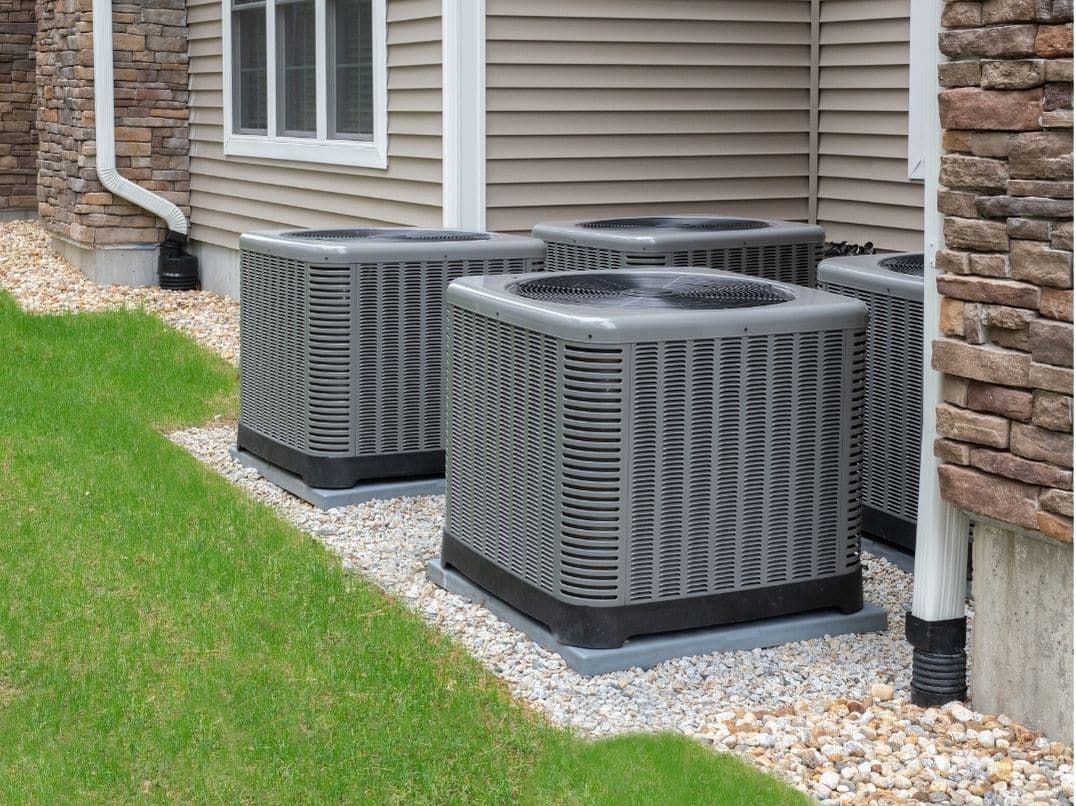
Drainage system functionality determines roof longevity. We clear all drains, scuppers, and gutters, then test water flow under simulated rain conditions. In Hattiesburg's heavy downpour events, a single clogged drain creates ponding that overloads structural decking and accelerates membrane failure. We inspect and clean edge metal, reglet joints, and overflow drains that most companies ignore. Every penetration gets documented. HVAC curbs, vent pipes, and equipment supports are common failure points where sealant degrades and flashing pulls away from substrate.

Proactive repairs during scheduled visits cost a fraction of emergency callouts. We re-seal failing seams, replace damaged fasteners, and re-adhere lifting membrane edges before water infiltration occurs. Each repair gets logged into your building's maintenance history, creating a defendable record for insurance claims and future buyers. This approach extends roof service life by years and eliminates the surprise capital expenditures that disrupt your financial planning. Preventative commercial roof maintenance shifts you from reactive crisis management to strategic asset preservation.

What Happens During Your Maintenance Visit

Commercial Roof Maintenance in Hattiesburg – Minimize Downtime and Protect Your Business Asset
01

Comprehensive Roof Inspection

We conduct a full walkable inspection of your roof system, documenting membrane condition, fastener integrity, flashing details, and drainage functionality. High-resolution photos capture current conditions at penetrations, seams, and edge details. You receive a written condition assessment with prioritized repair recommendations and projected service life estimates based on observed deterioration rates and local climate factors.
02

Cleaning and Minor Repairs

All drains, scuppers, and gutters get cleared of debris to restore proper water flow. We remove vegetation growth, clear HVAC equipment areas, and eliminate ponding water sources. Minor repairs like sealant replacement, fastener tightening, and small membrane patches are completed during the visit. These corrections prevent minor issues from escalating into major leaks between scheduled inspections.
03

Documentation and Planning

You receive a detailed maintenance report with dated photos, completed repairs, and future action items. This documentation supports warranty compliance, insurance requirements, and capital planning. We update your roof's maintenance history and schedule the next visit based on seasonal weather patterns and your roof system's specific vulnerabilities. You gain a defendable record proving proactive asset management and code compliance.

Why Hattiesburg Businesses Choose Local Roof Maintenance Expertise

Commercial roof maintenance requires understanding how regional weather patterns affect specific membrane types. Hattiesburg sits in a zone where summer heat indexes regularly exceed 105 degrees, causing TPO membranes to expand and contract daily. This thermal cycling fatigues seams and fasteners faster than in moderate climates. A maintenance provider unfamiliar with this region will miss the early warning signs of heat-related failures that lead to catastrophic leaks during hurricane season.

We work on commercial roofs across the Hattiesburg metro, from the industrial facilities near Interstate 59 to the retail centers along Hardy Street. Local building codes require specific drainage rates and wind uplift ratings. We know which roof assemblies meet current code and which older systems need reinforcement before the next inspection cycle. This knowledge prevents compliance violations that delay certificates of occupancy or trigger costly retrofit requirements during tenant improvements.

Your business cannot afford extended downtime for roof failures. We maintain relationships with local suppliers, so replacement materials arrive within hours instead of days. Our crews understand how to work around operational businesses, scheduling disruptive work during off-hours and coordinating with your facility managers. When you choose local expertise, you get response times measured in hours and maintenance plans calibrated to the Forrest County weather data that actually affects your building. National chains offer generic programs. We offer Hattiesburg-specific roof preservation.

What Your Maintenance Program Includes

Scheduled Visit Frequency

Most commercial roofs require quarterly inspections to catch seasonal damage patterns. We schedule visits after severe weather events, before and after summer heat, and during fall to prepare for winter moisture. High-traffic roofs with HVAC equipment need monthly visits. Low-slope roofs prone to ponding require more frequent drainage checks. Your visit schedule adapts to your roof system's vulnerabilities and your building's operational needs. Each visit takes one to three hours depending on roof size and complexity. You receive advance notice and can coordinate access with minimal business disruption.

Detailed Condition Assessment

Every inspection includes a written report with roof system condition ratings, photographic documentation, and remaining service life projections. We measure membrane thickness, test seam integrity, and document all penetrations and flashing details. You receive a prioritized repair list with cost estimates for budget planning. Core samples identify hidden moisture in the insulation layer. Infrared thermography detects wet insulation that visual inspection misses. This data-driven approach eliminates guesswork and provides defensible documentation for insurance claims, property sales, and capital improvement planning.

Proactive Repair Execution

Minor repairs completed during maintenance visits prevent emergency failures. We re-seal failing seams, replace corroded fasteners, patch small membrane tears, and re-adhere lifting edges before water infiltration occurs. All repairs use manufacturer-approved materials that maintain your roof warranty. You approve repair costs before work begins. Emergency repairs that threaten building integrity get executed immediately with same-day authorization. The result is a roof that maintains its watertight integrity year-round without surprise failures that halt operations and damage inventory.

Long-Term Asset Planning

Your maintenance program creates a documented history that predicts future capital needs. We track deterioration rates and provide multi-year service life projections so you can budget for eventual replacement. This historical data helps you maximize tax depreciation benefits and negotiate better terms during property transactions. Buyers pay premiums for buildings with documented maintenance histories. Lenders view proactive roof maintenance as risk mitigation. Your maintenance investment protects property value while eliminating the catastrophic replacement costs that occur when deferred maintenance causes premature failure.

Frequently Asked Questions

You Have Questions,
We Have Answers

What is the 25% rule for roofing? +

The 25% rule states that if 25% or more of your commercial roof system is damaged, most building codes require a full roof replacement rather than repairs. This threshold triggers code compliance reviews because extensive damage compromises structural integrity. Insurance adjusters often use this benchmark when determining claim coverage. For flat or low-slope commercial roofs, water infiltration spreads quickly beneath membranes, making damage worse than it appears. If your adjuster mentions 25%, expect replacement discussions. Document everything with photos before filing claims.

What kind of maintenance does a roof need? +

Commercial roofs need quarterly drainage inspections to prevent ponding water, which degrades membranes and causes leaks. Check membrane seams and flashing around HVAC units twice yearly since thermal cycling creates gaps. Remove debris monthly because leaves trap moisture and accelerate rot. Inspect penetrations like vents and pipes for cracks or separation. Reapply reflective coatings every 3-5 years on TPO or PVC systems to maintain energy efficiency. Document every inspection with photos and notes. Missing maintenance voids most manufacturer warranties and shortens roof lifespan by 40%.

What is considered commercial maintenance? +

Commercial maintenance covers building systems that affect business operations and tenant safety. This includes HVAC, electrical, plumbing, roofing, parking lot repairs, fire suppression, and structural components. Unlike residential work, commercial maintenance requires coordination with occupied spaces, after-hours scheduling, and code compliance documentation. Contracts typically define scope as preventive tasks, emergency response protocols, and planned capital improvements. Most property managers budget 1-2% of building value annually for maintenance. Neglecting preventive work increases emergency repair costs by 300% and creates liability exposure.

Can roofers make 100k a year? +

Commercial roofers can exceed 100k annually through project management roles, specialized systems like spray foam or green roofs, or running crews for large-scale projects. Foremen supervising commercial tear-offs or overseeing multi-building portfolio work typically earn 80-120k. Self-employed contractors with proper licensing and insurance reach this threshold faster by bidding directly on commercial work. Union roofers in major metros often cross 100k with overtime. The variable is commercial expertise. Residential-only roofers rarely hit this mark because project values and margins are lower.

How to tell if a roofer is lying? +

Red flags include refusing to provide proof of insurance or contractor license numbers you can verify independently. Demanding large upfront deposits before materials arrive signals cash flow problems. Pressure tactics like same-day discounts or scare tactics about immediate failure are manipulation. Vague contracts without material specs, warranty details, or payment schedules protect them, not you. Check their business entity status with your state. If they cannot explain the scope of work in detail or answer technical questions, they lack expertise. Trust requires transparency and documentation.

What are the OSHA rules for roofing? +

OSHA requires fall protection for any work above six feet on commercial projects. This means guardrails, safety nets, or personal fall arrest systems. Roofers must use warning lines on low-slope roofs and implement hole covers over skylights or penetrations. Ladder access requires three-point contact and secure tie-offs. Contractors must provide safety training and maintain equipment inspection logs. Violations carry penalties up to $15,625 per incident. If your contractor skips harnesses or perimeter protection, they are breaking federal law and creating liability for your property.

What are the 7 elements of preventive maintenance? +

The seven elements are inspection protocols, scheduled tasks, lubrication of moving parts, cleaning of critical components, adjustment of operational settings, minor repairs before failure occurs, and detailed record-keeping. For commercial roofs, this translates to quarterly drainage checks, semi-annual membrane inspections, debris removal, sealant touch-ups, fastener tightening, minor patching, and photo documentation. Each element prevents small issues from becoming expensive failures. Missing one element breaks the chain. Proper preventive maintenance extends roof life by 10-15 years and keeps manufacturer warranties valid.

What is routine roof maintenance? +

Routine roof maintenance includes quarterly drainage checks to prevent ponding, debris removal from gutters and drains, visual membrane inspections for punctures or shrinkage, and flashing checks around penetrations. You should inspect after severe weather and document findings with photos. Look for loose fasteners, open seams, or damaged edge metal. Clear vegetation before roots penetrate the membrane. Check interior ceilings for water stains monthly. Schedule professional inspections twice yearly for thorough assessments. Routine tasks take 2-4 hours per visit but prevent 80% of premature failures.

Is it better to pressure wash or soft wash a roof? +

Soft washing is better for commercial roofs because high-pressure washing forces water under seams, damages granules on modified bitumen, and can puncture single-ply membranes. Soft wash systems use low-pressure application with biodegradable cleaners that kill algae, mold, and bacteria without mechanical damage. Pressure washing also voids most manufacturer warranties. The cleaning solution does the work, not water force. For metal roofs, soft washing prevents paint coating damage. Schedule soft washing every 2-3 years to maintain reflectivity and energy efficiency without risking leaks.

What are the 3 P's of maintenance? +

The 3 P's are Preservation, Prediction, and Prevention. Preservation means maintaining current roof condition through cleaning and minor repairs. Prediction involves using inspection data to forecast when components will fail and budget accordingly. Prevention stops problems before they start through proactive tasks like sealant application and drainage improvements. Together, these principles shift you from reactive emergency repairs to planned capital expenditures. This approach reduces total cost of ownership by 35% and eliminates business disruption from unexpected leaks. Most commercial property managers use the 3 P's framework for all building systems.

How Hattiesburg's Humidity and Storm Patterns Demand Year-Round Commercial Roof Upkeep

Hattiesburg receives over 56 inches of annual rainfall, with intense summer thunderstorms that dump several inches in hours. This precipitation pattern creates prolonged roof surface moisture that accelerates organic growth and membrane degradation. The humidity rarely drops below 60 percent, preventing complete drying between rain events. Commercial roof maintenance in this climate requires aggressive drainage management and frequent debris removal. A roof that would last 25 years in Phoenix might fail at 15 years here without preventative commercial roof maintenance addressing moisture-related deterioration. Hurricane season brings wind-driven rain that tests every roof penetration and flashing detail, making pre-season inspections critical for business continuity.

Where To Find Us

Elite Roofing Hattiesburg provides trusted, high-quality roofing services for homes and businesses across South Mississippi. We specialize in roof repair, replacement, and inspections using top-grade materials and skilled workmanship. Our local team delivers honest advice, fair pricing, and lasting results—protecting what matters most, your home.

Address:
Elite Roofing Hattiesburg, 7 Professional Pkwy, Hattiesburg, MS, 39402

Additional Services We Offer

Our news updates

Latest Articles & News from The Blogs

Lorem ipsum dolor sit amet. Aut expedita quaerat quo eligendi numquam et laudantium perspiciatis qui minima expedita rem consequatur ducimus.…

Test Blog 4

Lorem ipsum dolor sit amet. Aut expedita quaerat quo eligendi numquam et laudantium perspiciatis qui minima expedita rem consequatur ducimus.…

Test Blog 3

Lorem ipsum dolor sit amet. Aut expedita quaerat quo eligendi numquam et laudantium perspiciatis qui minima expedita rem consequatur ducimus.…

Test Blog 2

Lorem ipsum dolor sit amet. Aut expedita quaerat quo eligendi numquam et laudantium perspiciatis qui minima expedita rem consequatur ducimus.…