Menu

Commercial Roof Coatings in Hattiesburg | Minimize Downtime with Fluid Applied Roofing Systems

Protect your facility's operations with industrial-grade elastomeric roof coatings and commercial flat roof coatings engineered to extend asset life, reduce energy costs, and maintain business continuity across Hattiesburg's demanding climate.

Slider Image 1
Slider Image 2
Slider Image 3
Slider Image 4
Slider Image 5
Slider Image 7
Slider Image 8
Slider Image 9
Slider Image 10
Slider Image 11

Why Commercial Roof Coatings Are Critical Infrastructure Protection in Hattiesburg

Your facility's roof is not a cosmetic concern. It is a capital asset that directly affects operational continuity, insurance premiums, and bottom-line profitability. In Hattiesburg's high-humidity climate, where summer temperatures regularly exceed 90 degrees and severe weather events from the Gulf Coast threaten structural integrity, unprotected commercial roofing systems degrade faster than national averages predict.

Elastomeric roof coatings and fluid applied roofing systems provide a measurable defense against thermal cycling, UV degradation, and moisture intrusion. Without them, commercial flat roof substrates experience accelerated deterioration. Ponding water becomes a liability issue. HVAC units work harder. Energy costs climb. Unplanned roof replacements force expensive operational interruptions.

Industrial roof coatings are not maintenance deferrals. They are engineered restoration systems that chemically bond to existing substrates, creating a monolithic waterproof membrane. This approach eliminates the need for complete tear-offs in many cases, reducing disposal costs and minimizing business disruption. For manufacturing facilities, distribution centers, and retail operations across the greater Hattiesburg metro, commercial roof restoration systems deliver quantifiable ROI through extended service life and improved thermal performance.

The question is not whether your roof needs protection. The question is whether you address it strategically or reactively. Reactive approaches cost more, disrupt operations longer, and expose your facility to unnecessary risk. Strategic coating applications, timed correctly and executed with precision, protect your investment and maintain operational stability.

Why Commercial Roof Coatings Are Critical Infrastructure Protection in Hattiesburg
The Engineering Behind Commercial Roof Coating Systems

The Engineering Behind Commercial Roof Coating Systems

Commercial roof coatings are not paint. They are engineered polymeric systems designed to restore, protect, and extend the service life of existing roof assemblies. The selection process begins with substrate analysis. We evaluate existing membrane type, current condition, drainage adequacy, and structural load capacity. Not all coating chemistries work on all substrates. Silicone coatings perform differently than acrylic systems. Urethane bases provide different elongation properties than elastomeric formulations.

Fluid applied roofing systems work because they eliminate the seams and fastener penetrations that cause most commercial roof failures. A properly applied coating system creates a fully adhered, monolithic membrane that moves with the substrate during thermal expansion and contraction. This flexibility prevents the cracking and splitting common in aged modified bitumen and single-ply membranes.

Surface preparation determines system performance. We address existing damage, repair flashing details, and ensure proper adhesion. Coating thickness matters. Manufacturer specifications exist for a reason. Under-application voids the system. Over-application wastes capital. We measure wet film thickness during application to verify compliance with engineered specifications.

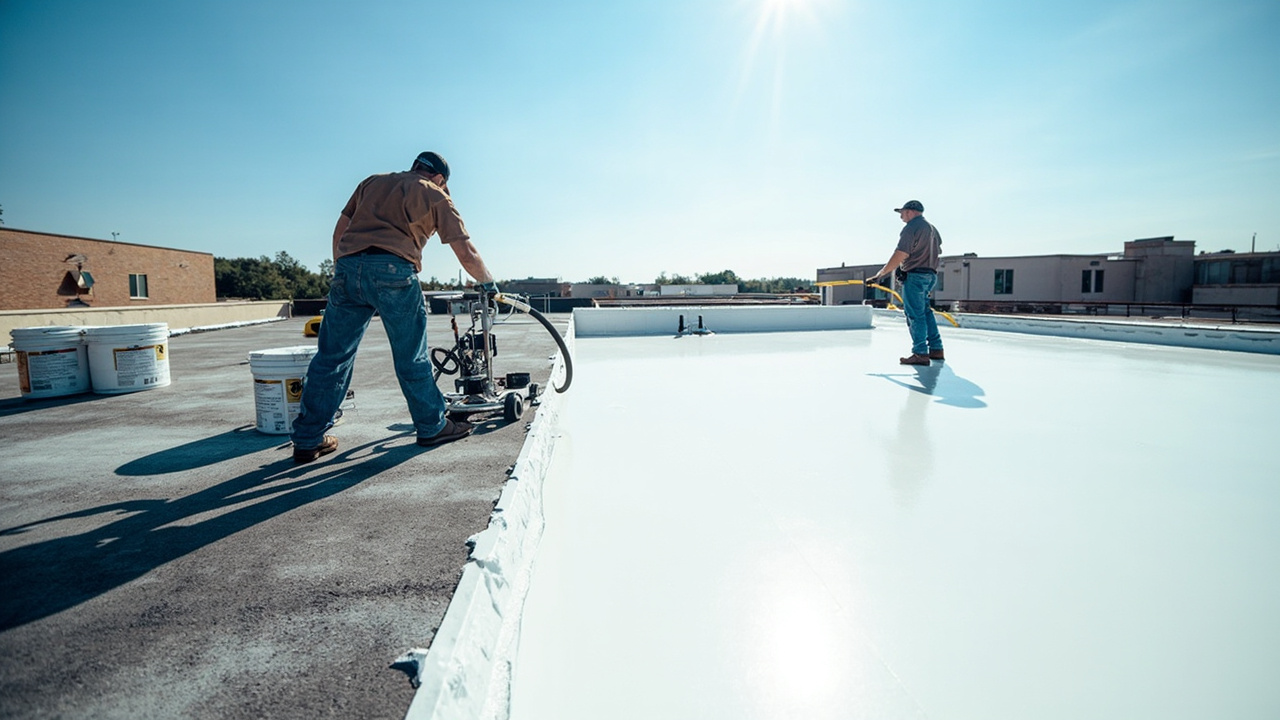
Industrial roof coatings also provide measurable energy savings. Reflective white coatings can reduce surface temperatures by 50 to 80 degrees compared to dark aged substrates. This reduces cooling loads, extends HVAC equipment life, and in some cases qualifies for utility rebates. For facilities operating on thin margins, energy reduction translates directly to improved profitability. The system pays for itself through operational savings, not just deferred replacement costs.

How We Execute Commercial Coating Projects in Hattiesburg

Commercial Roof Coatings in Hattiesburg | Minimize Downtime with Fluid Applied Roofing Systems
01

Facility Assessment and System Design

We conduct a comprehensive roof survey using moisture scanning technology and core sampling when necessary. This identifies hidden damage, substrate compatibility, and drainage deficiencies. You receive a written assessment with thermal imaging data, condition grading, and coating system recommendations specific to your facility's operational requirements and budget parameters. We design the restoration system before proposing it.
02

Surface Preparation and Repairs

All existing damage receives structural repair before coating application. We replace deteriorated insulation, re-secure loose membrane sections, and rebuild flashing details to manufacturer standards. Power washing removes contaminants that prevent adhesion. We address ponding areas through tapered insulation or drainage modifications. The substrate must meet cleanliness and dryness standards before any coating material touches the roof. Preparation determines longevity.
03

Coating Application and Quality Control

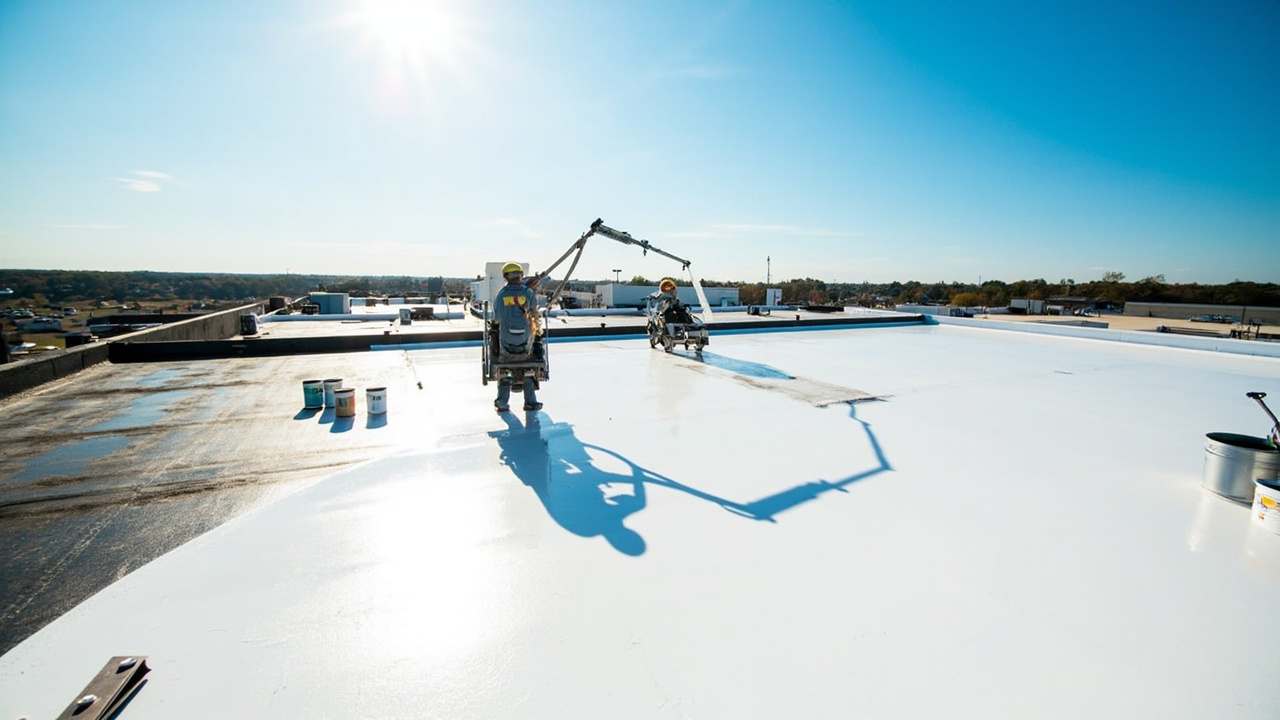
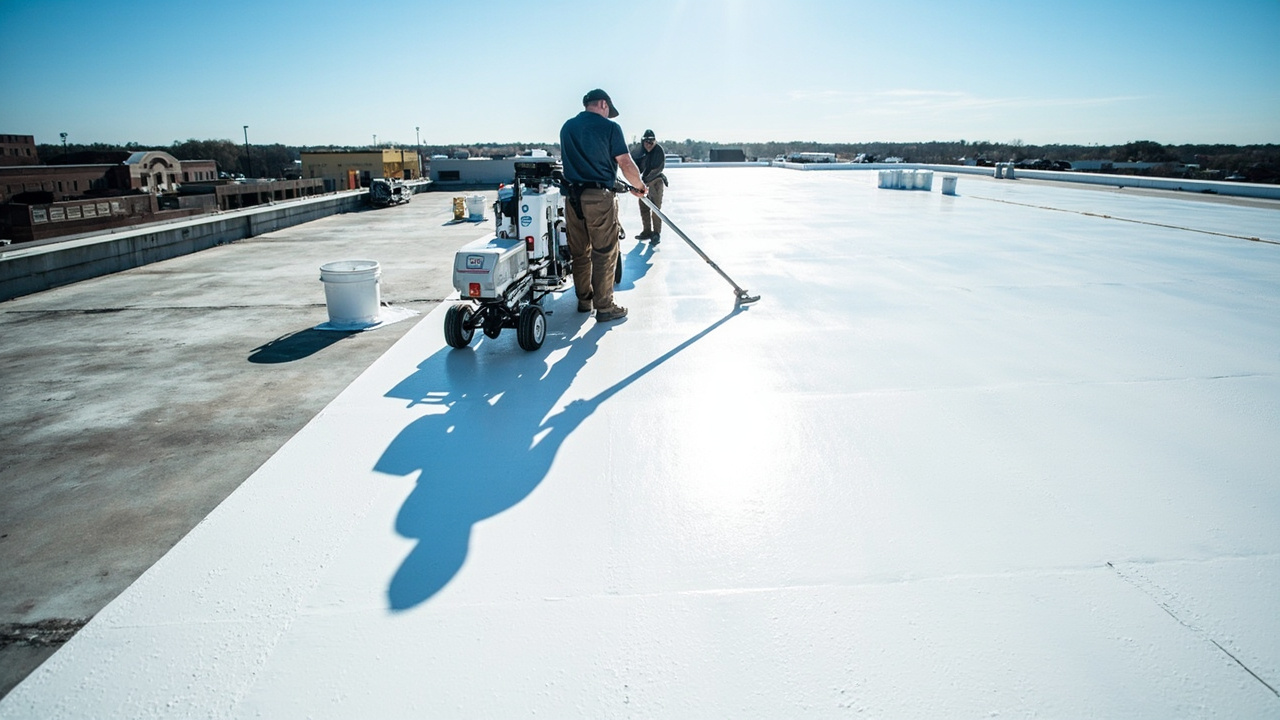
We apply commercial roof coatings using airless spray equipment calibrated for the specified material viscosity and ambient conditions. Each pass receives wet film thickness verification to ensure proper coverage. Reinforcing fabric goes into all flashing transitions, penetrations, and seam areas. The system cures under controlled conditions. Final inspection includes adhesion testing and documentation photography. You receive a project file with material certifications and application records for your facility management files.

Why Hattiesburg Facility Managers Choose Local Roofing Expertise

Commercial roof coating projects require more than technical skill. They require an understanding of local building characteristics, weather patterns, and operational constraints specific to this market. Hattiesburg's commercial building stock includes everything from pre-engineered metal buildings in the industrial corridor along Highway 49 to older built-up roof systems on downtown commercial blocks. Each building type presents different substrate conditions and coating compatibility requirements.

We understand local code compliance requirements and inspection protocols. Mississippi commercial building codes have specific provisions for roof system modifications and re-covering procedures. Projects require proper permitting and third-party inspection coordination. Facilities with fire suppression systems or specific occupancy classifications face additional compliance requirements. Local expertise prevents costly project delays and code violations.

Our familiarity with Hattiesburg's seasonal weather patterns allows us to schedule projects during optimal application windows. Summer humidity affects cure times for water-based systems. Spring storm patterns create scheduling risks. We plan projects around your operational calendar and weather probability data, minimizing disruption risk.

Facility managers also value response capability when problems emerge. A coating system installed by a distant contractor leaves you with no local accountability when a warranty issue arises. We maintain local crews, stock common repair materials, and respond to service calls without the coordination delays inherent in remote contractor relationships. Your roof is a long-term asset. Your roofing partner should be equally committed to the local market and available when you need support.

What to Expect from a Commercial Coating Project

Project Timeline and Phasing

Coating project timelines depend on roof size, existing condition, and required repairs. A typical 20,000 square foot commercial flat roof coating project takes five to seven working days under normal conditions. Larger facilities may require phased execution to maintain operations. We schedule around your business hours when necessary. Weather delays happen. We provide realistic timelines with contingency planning built in. You receive daily progress updates and advance notice of any scope changes discovered during execution.

Pre-Project Roof Assessment

The assessment process takes two to four hours depending on facility size. We document existing conditions with photography, identify all penetrations and equipment, and test substrate adhesion in multiple locations. Moisture scanning identifies hidden problems not visible from surface inspection. You receive a written report within 48 hours that includes condition findings, recommended repairs, coating system specifications, and a detailed cost breakdown. This assessment prevents mid-project surprises and scope creep.

Performance and Longevity

Properly applied commercial roof restoration systems extend roof life 10 to 15 years when maintained correctly. Performance depends on substrate condition at application, coating thickness, and ongoing maintenance. Reflective coatings maintain their energy-saving properties for years but may require recoating at intervals to sustain optimal performance. The system you receive meets manufacturer specifications for material thickness, reinforcement details, and application procedures. You get engineered performance, not optimistic projections.

Maintenance and Warranty Support

Most coating systems come with material warranties ranging from 10 to 20 years, depending on the system selected and application standards met. These warranties cover material defects, not damage from external sources or lack of maintenance. We provide maintenance guidelines specific to your coating chemistry and facility conditions. Annual inspections catch small problems before they become system failures. Debris removal, drain maintenance, and minor repairs preserve system integrity. We offer maintenance contracts for facilities that prefer outsourced roof management.

Frequently Asked Questions

You Have Questions,
We Have Answers

How much does it cost to coat a commercial roof? +

Commercial roof coating costs depend on roof size, substrate condition, coating type, and accessibility. Acrylic coatings run lower per square foot than silicone or polyurethane systems. You pay for surface prep, primer application, and labor. A 10,000-square-foot flat roof might cost less per square foot than a smaller, complex roof with penetrations and HVAC units. Budget for repairs before coating. Damaged membranes or wet insulation must be addressed first. Get three written estimates that break down material and labor separately to compare accurately.

What type of roof coating is best? +

No single coating wins every scenario. Silicone coatings resist ponding water and UV degradation, making them ideal for low-slope roofs with drainage issues. Acrylic coatings offer breathability and lower cost but perform poorly in standing water. Polyurethane coatings handle foot traffic and impact damage better than other options. Your existing membrane matters. TPO and PVC bond differently than modified bitumen or metal. Match the coating chemistry to your substrate, climate exposure, and maintenance access. A qualified contractor evaluates these factors before recommending a system.

What is the 25% rule for roofing? +

The 25% rule states that if more than 25% of your roof system needs repair or replacement, you trigger a full tear-off under most building codes. This threshold prevents property owners from endlessly patching failing roofs. Inspectors measure the percentage of compromised area, including membrane damage, wet insulation, and structural deck issues. Once you cross 25%, coating or overlay systems no longer meet code. You need a complete roof replacement. This rule protects building integrity and prevents cascading water damage to interior spaces and structural components.

Which coating is best for a roof? +

The best coating matches your specific roof substrate and environmental conditions. Silicone excels on roofs with ponding water because it never breaks down from UV exposure or moisture. Acrylic works well on sloped roofs in dry climates where water drains quickly. Polyurethane provides superior abrasion resistance for roofs with regular foot traffic or equipment maintenance. Metal roofs often require specialized primers before topcoat application. Your local climate drives the decision. High humidity zones demand different solutions than arid regions with extreme temperature swings.

How long will roof coating last? +

Quality roof coatings last 10 to 20 years with proper application and maintenance. Silicone coatings typically provide 15 to 20 years of service because UV rays do not degrade the material. Acrylic coatings last 10 to 15 years but require recoating sooner in harsh climates. Longevity depends on substrate preparation, coating thickness, and regular inspections. Foot traffic, debris accumulation, and ponding water accelerate wear. Schedule annual inspections to catch small issues before they compromise the entire system. Proper maintenance extends coating life significantly.

Can roofers make 100k a year? +

This question is not relevant to commercial roof coatings. It addresses roofer income rather than coating performance, materials, or application. Commercial coating projects require skilled applicators who understand substrate compatibility, surface preparation, and proper mil thickness. Focus on contractor qualifications, references, and warranty terms when selecting an applicator. Verify insurance coverage and licensing. Request photos of completed projects with similar roof types. Income questions do not help you make informed decisions about protecting your commercial property investment.

What is the most expensive roof coating? +

Polyurethane and polyurea coatings cost more per gallon than silicone or acrylic systems. These premium coatings provide exceptional impact resistance and chemical resistance for industrial facilities or high-traffic roofs. Specialized primers and surface preparation add to the total investment. Some hybrid systems combine multiple coating types in layered applications, increasing material and labor costs. Reflective coatings with advanced cooling technology also command higher prices. Expensive does not always mean better for your application. A mid-range silicone coating often outperforms premium products on ponding water issues.

Which roof is better, EPDM or TPO? +

EPDM and TPO serve different needs. EPDM rubber membranes handle temperature extremes well and cost less upfront. TPO membranes offer heat-welded seams that create watertight bonds and better reflectivity for energy savings. TPO performs better in high-heat climates because white TPO reflects more solar radiation than black EPDM. EPDM tolerates building movement and settling better than TPO. Your budget, climate zone, and roof design determine the better choice. Both membranes accept compatible coating systems when properly cleaned and primed.

What is seal best roof coating? +

Seal Best is a brand name, not a coating type. Evaluate any roof coating by its chemistry, not marketing claims. Read technical data sheets for solids content, elongation properties, permeability ratings, and UV resistance. Verify third-party testing results from organizations like ASTM or FM Global. Ask for references from commercial projects with similar roof types and ages. Compare warranty terms and application requirements. Independent testing matters more than brand recognition. Your contractor should explain why a specific product matches your roof substrate and climate conditions.

How to tell if a roofer is lying? +

Request references and verify them directly with property owners. Ask for photos of substrate preparation before coating application. Legitimate contractors document surface cleaning, repairs, and primer application. Review the written scope of work for specific mil thickness, number of coats, and product specifications. Check contractor licensing and insurance coverage independently. Ask technical questions about substrate compatibility and curing times. Vague answers or pressure tactics signal problems. Request a third-party roof inspection before signing contracts. Honest contractors welcome scrutiny because proper application protects their reputation.

How Hattiesburg's Gulf Proximity and Humidity Impact Commercial Roof Coating Selection

Hattiesburg sits 70 miles inland from the Gulf Coast, placing commercial facilities directly in the path of tropical moisture, severe thunderstorms, and occasional hurricane-force winds. This proximity creates year-round high humidity conditions that accelerate roof deterioration through moisture intrusion, biological growth, and substrate degradation. Elastomeric roof coatings and fluid applied roofing systems must be selected based on this specific environment. Not all coating chemistries handle constant moisture exposure equally. Silicone systems provide superior moisture resistance for facilities experiencing chronic ponding issues. Acrylic formulations work better on well-drained roofs where reflectivity matters most. The wrong chemistry fails prematurely regardless of application quality.

Hattiesburg's commercial building stock includes significant concentrations of manufacturing, distribution, and retail facilities that cannot afford unplanned roof failures. Local contractors understand the operational constraints these facilities face. We coordinate with facility managers to minimize disruption, schedule around production cycles, and execute projects in phases when necessary. Our familiarity with local suppliers means faster material procurement and reduced project delays. When weather interrupts a project or an unexpected issue emerges, local crews respond immediately rather than waiting for out-of-town contractors to return. That responsiveness protects your operations and demonstrates the value of working with roofing professionals embedded in the Hattiesburg commercial market.
Where To Find Us

Elite Roofing Hattiesburg provides trusted, high-quality roofing services for homes and businesses across South Mississippi. We specialize in roof repair, replacement, and inspections using top-grade materials and skilled workmanship. Our local team delivers honest advice, fair pricing, and lasting results—protecting what matters most, your home.

Address:
Elite Roofing Hattiesburg, 7 Professional Pkwy, Hattiesburg, MS, 39402

Additional Services We Offer

Our news updates

Latest Articles & News from The Blogs

Lorem ipsum dolor sit amet. Aut expedita quaerat quo eligendi numquam et laudantium perspiciatis qui minima expedita rem consequatur ducimus.…

Test Blog 4

Lorem ipsum dolor sit amet. Aut expedita quaerat quo eligendi numquam et laudantium perspiciatis qui minima expedita rem consequatur ducimus.…

Test Blog 3

Lorem ipsum dolor sit amet. Aut expedita quaerat quo eligendi numquam et laudantium perspiciatis qui minima expedita rem consequatur ducimus.…

Test Blog 2

Lorem ipsum dolor sit amet. Aut expedita quaerat quo eligendi numquam et laudantium perspiciatis qui minima expedita rem consequatur ducimus.…