Menu

Roof Vent Leaking in Hattiesburg – Expert Diagnosis and Permanent Repair

We identify the exact source of your leak around roof vent, roof vent pipe, or leaking roof boot and provide a lasting fix that withstands Hattiesburg's humidity and storm season.

Slider Image 1
Slider Image 2
Slider Image 3
Slider Image 4
Slider Image 5
Slider Image 7
Slider Image 8
Slider Image 9
Slider Image 10
Slider Image 11

Why Your Roof Vent is Leaking in Hattiesburg

You see water stains on your ceiling. You hear dripping inside your attic during rain. The source is often a leak around roof vent pipes that penetrate your roofline.

Hattiesburg's combination of high humidity and intense summer storms creates perfect conditions for roof vent failures. Rubber boots that seal plumbing vents crack under UV exposure. Flashing around HVAC vents corrodes from condensation. Metal roof jacks rust from the inside out. When these components fail, water follows the path of least resistance straight into your home.

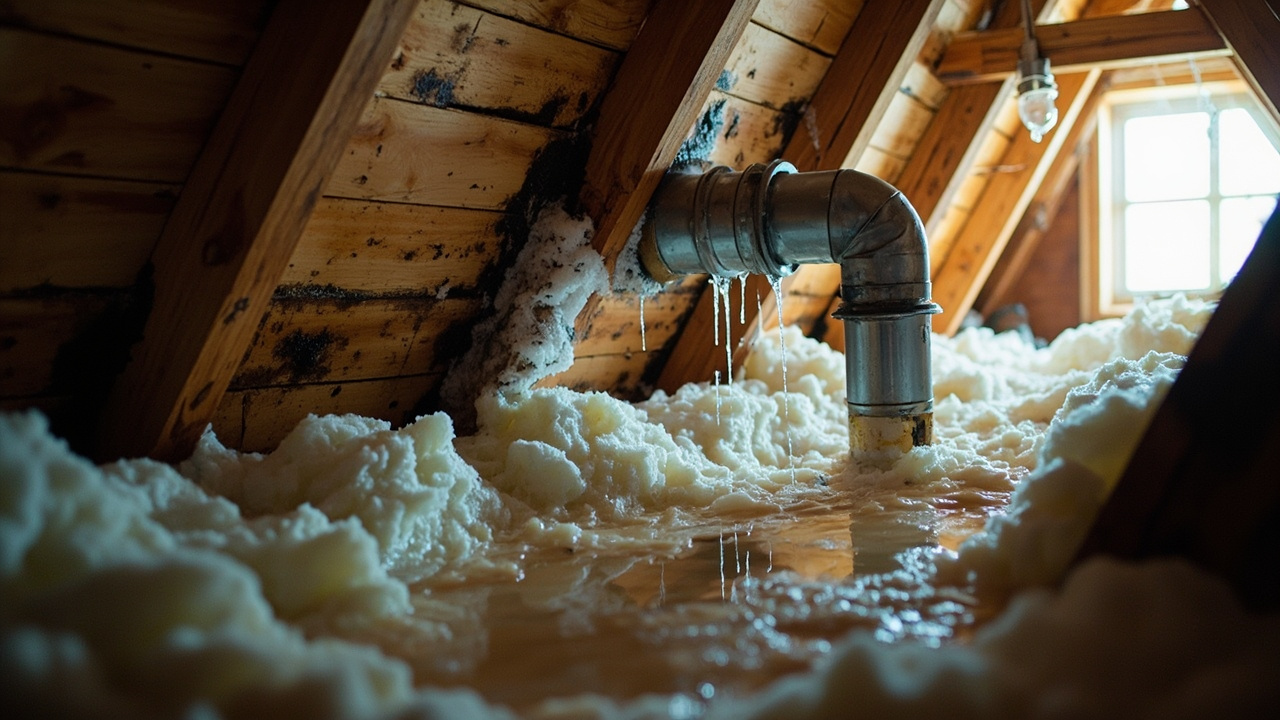
A leaking roof boot is not just an annoyance. It causes hidden damage. Water travels along rafters and insulation before you even notice the ceiling stain. By the time you see evidence, the wood framing may already be rotting. Mold starts growing within 48 hours in our humid climate.

The problem compounds during Hattiesburg's violent thunderstorms. Wind-driven rain forces water under compromised seals. A small leak around a roof vent pipe becomes a steady stream. Your attic insulation absorbs moisture and loses effectiveness. Your energy bills climb. The wood stays damp. The damage spreads.

Many homeowners try temporary fixes. They caulk around the vent. They apply roof patch from the hardware store. These solutions fail because they do not address the root cause. A roof vent pipe leaking requires proper flashing replacement, not surface sealant. A leaking roof jack needs mechanical fastening and waterproof underlayment, not just another bead of silicone.

You need someone who understands how these penetrations work and how Hattiesburg's weather attacks them. The fix must be permanent, not cosmetic.

Why Your Roof Vent is Leaking in Hattiesburg
How We Fix Roof Vent Leaks Correctly

How We Fix Roof Vent Leaks Correctly

We do not guess. We do not apply quick fixes. We identify the exact failure point and rebuild the waterproof seal to code.

First, we inspect the entire vent assembly from inside your attic and outside on the roof. We check the condition of the rubber boot, the base flashing, the counterflashing, and the sealant joints. We look for rust on metal jacks, cracks in neoprene seals, and gaps where the flashing meets the shingle course. We verify that the vent pipe itself is secure and not vibrating loose during wind events.

Next, we remove the failed components. A leaking roof boot gets replaced with a high-grade EPDM or silicone boot rated for our climate. We do not reuse corroded flashing. We install new aluminum or galvanized steel flashing with proper overlap and mechanical fastening. The new flashing integrates into the shingle layers above and below the penetration. This creates a continuous water barrier.

We use ice and water shield underlayment around all vent penetrations. This self-sealing membrane bonds to the roof deck and creates a secondary waterproof layer. Even if the primary seal fails years from now, the underlayment prevents water intrusion. This is critical in Hattiesburg where trapped moisture accelerates decay.

For roof jack leaks on HVAC or kitchen exhaust vents, we verify proper clearances and pitch. The vent must shed water away from the pipe. We ensure the storm collar is tight and sealed. We replace any termination caps that allow rain entry.

Every repair includes inspection of the surrounding shingles. We check for wind damage, granule loss, or thermal cracking. A leak around one roof vent often means other penetrations are near failure. We identify these risks before they cause damage.

The result is a vent assembly that performs like new and withstands decades of Hattiesburg weather.

What Happens During Your Roof Vent Repair

Roof Vent Leaking in Hattiesburg – Expert Diagnosis and Permanent Repair
01

Attic and Roof Inspection

We start in your attic to trace the water path and identify all compromised areas. We document moisture damage to framing and insulation. Then we move to the roof surface to examine every vent penetration, checking boot condition, flashing integrity, and seal quality. This dual approach reveals hidden problems that a roof-only inspection would miss.
02

Component Removal and Replacement

We carefully remove damaged shingles around the vent without disturbing surrounding areas. Old boots, corroded flashing, and failed sealant are stripped away. We install new flashing with proper overlap into the shingle courses, apply ice and water shield, and secure a new high-grade boot designed for Hattiesburg's UV exposure and temperature swings. Every fastener is sealed. Every joint is waterproof.
03

Water Test and Verification

Before we leave, we perform a water test using a hose to simulate heavy rain on the repaired area. We watch from inside the attic while water flows over the vent. No drips means no leaks. We also inspect the surrounding roof for additional vulnerabilities and provide documentation of our findings. You receive a detailed report of all work completed and any other areas that need attention.

Why Hattiesburg Homeowners Trust Us With Roof Vent Repairs

Roof vent leaks are deceptively complex. What looks like a simple seal failure often involves multiple compromised components. You need a contractor who understands building science, not just someone who can swing a hammer.

We have repaired hundreds of leaking roof boots, roof jack leaks, and failed vent penetrations throughout the Hattiesburg area. We know how the humidity here accelerates rubber degradation. We know how summer heat causes thermal expansion that breaks sealant bonds. We know which products hold up in our climate and which ones fail within two years.

Our technicians understand local building codes and proper flashing techniques. We do not use shortcuts. We do not rely on caulk to solve structural problems. Every repair meets or exceeds the International Residential Code requirements for water resistance. We use materials rated for the Gulf Coast climate.

We also understand the urgency. A roof vent pipe leaking during a thunderstorm causes immediate damage. We respond quickly and work efficiently. Most repairs are completed in a few hours. We carry common boot sizes and flashing materials on our trucks so we do not need to order parts and leave your home exposed.

You also get transparency. We show you the problem before we fix it. We explain what failed and why. We take photos of the damaged components and the completed repair. You are not paying for a mystery service. You are paying for documented, verifiable work.

Many Hattiesburg contractors will slap tar around a leaking roof vent and call it fixed. That repair fails during the next heavy rain. We rebuild the seal properly so it lasts years, not months. That difference matters when your ceiling, insulation, and framing are at risk.

Local expertise means we are familiar with the roof types common in Hattiesburg neighborhoods. We work on everything from older homes near the Historic District to newer construction in the growing subdivisions off Highway 98. We adapt our repair methods to your specific roof design and material.

What to Expect From Your Roof Vent Repair Service

Same-Day Response for Active Leaks

When water is actively entering your home, you need help now. We prioritize emergency leak calls and provide same-day service when you contact us in the morning. Most roof vent repairs take two to four hours from arrival to completion. We bring all necessary materials and complete the work in one visit. You do not wait days for parts to arrive while water damages your home. For non-emergency situations, we schedule appointments within 48 hours and provide a specific arrival window so you can plan your day.

Thorough Leak Source Identification

We do not assume the obvious stain location is the leak source. Water travels horizontally along roof decking and rafters before dripping into your living space. We trace the water path from the interior damage point back to the actual entry point on your roof. This involves attic inspection with flashlights and moisture meters, plus examination of all nearby roof penetrations. We check every vent within ten feet of the visible damage. This diagnostic process ensures we fix the right problem the first time instead of making you pay for multiple service calls.

Permanent, Code-Compliant Repairs

Your repair meets the same standards as new construction. We use materials designed for the Gulf Coast climate, including UV-resistant boots and corrosion-resistant flashing. Every component is mechanically fastened and sealed. We integrate new flashing into existing shingle layers using proper overlap techniques. The repair is invisible from the ground and indistinguishable from the original roof. You receive a watertight seal that handles Hattiesburg's intense summer storms and winter freezes. We do not use temporary patches or rely on caulk as a primary waterproofing method.

Documentation and Maintenance Guidance

You receive photos of the damaged components, the repair process, and the completed work. This documentation is valuable for insurance claims and future home sales. We also provide a written summary of what we found and what we fixed. If we identify other roof issues during the inspection, we give you a separate report with prioritized recommendations. You are not pressured into additional work, but you have the information to make informed decisions. We explain how to monitor your roof vents and what warning signs indicate developing problems.

Frequently Asked Questions

You Have Questions,
We Have Answers

How do I stop my roof vent from leaking? +

First, locate the exact source. Check the flashing around the vent pipe for cracks or gaps where the rubber boot meets the pipe. Inspect the base flashing for lifted shingles or corroded metal. If the boot is cracked, replace it immediately. If flashing is damaged, remove surrounding shingles, install new step flashing, and reseal properly. Temporary fixes like roofing cement fail fast. A proper repair requires removing the compromised components and installing new materials with correct overlap and sealant application. If you see active water entry, call a roofer before interior damage spreads.

How much does it cost to repair a roof vent leak? +

Repairing a roof vent leak typically costs between material and labor factors. Simple boot replacements run lower, while full flashing replacements with shingle removal cost more. The final price depends on roof pitch, vent type, accessibility, and extent of rot or decking damage. If surrounding shingles need replacement or if decking beneath the vent has deteriorated from long-term moisture exposure, costs increase. Most roofers charge by the hour plus materials. Emergency calls during storms carry premium pricing. Always get a written estimate that breaks down material and labor separately before authorizing work.

Can water leak through roof vents? +

Yes. Water enters through failed flashing, cracked rubber boots, corroded metal collars, or improper installation. Wind-driven rain pushes water under lifted flashing edges. Ice dams force meltwater backward under shingles and into vent penetrations. Condensation inside vent pipes can drip back down if insulation is missing. Attic ventilation imbalances create pressure differentials that pull rain through gaps. Even small cracks in the rubber boot allow capillary action to draw water inward. Once water breaches the flashing plane, it follows roof decking seams and rafter bays, often appearing far from the actual entry point.

Why is water dripping out of my air vent? +

Water dripping from an air vent usually means a roof penetration leak above that duct run, not an HVAC problem. Trace the ductwork backward to identify which roof vent or pipe boot sits above the drip location. Check for failed flashing, cracked boots, or missing sealant at that penetration. Sometimes condensation inside ducts mimics a roof leak, especially in humid climates with poor insulation. Feel the water. If cold, it's likely exterior. If room temperature, check duct insulation first. Either way, inspect the attic during the next rain to confirm the source before calling a contractor.

How to properly seal a roof vent? +

Proper sealing starts with correct flashing installation, not caulk. Remove shingles around the vent base. Install a two-piece flashing system with a base flashing that slides under upslope shingles and overlaps downslope shingles. The rubber boot or metal storm collar must sit flush against the pipe with no gaps. Use roofing cement only at shingle-to-flashing contact points, never as a primary seal. Overlap each flashing piece by at least three inches. Secure with roofing nails placed high enough that the next shingle course covers them. Replace cracked boots entirely. Sealant alone fails within months.

Does homeowners insurance pay for a leaky roof? +

Homeowners insurance usually covers sudden, accidental roof leaks from storms or fallen trees but excludes gradual damage from deferred maintenance. If a storm damages flashing or boots, triggering a vent leak, most policies cover repairs. If the leak results from years of neglected maintenance, rotted boots, or aging materials, expect denial. Document the damage immediately with photos and timestamps. File claims quickly. Adjusters scrutinize roof age and maintenance records. If your roof exceeds 20 years or shows widespread wear, insurers may depreciate payouts or deny coverage outright. Review your policy's exclusions before assuming coverage.

Do roofers replace roof vents? +

Yes. Roofers regularly replace roof vents during repairs or re-roofs. This includes pipe boots, turbine vents, ridge vents, and powered attic fans. Replacing a vent requires removing surrounding shingles, installing new flashing, cutting or sealing decking penetrations, and integrating the new vent into the shingle pattern. Roofers also replace damaged vent pipes if sections have corroded. During re-roofing projects, replacing all old boots and vents is standard practice since aged rubber and metal fail soon after new shingles go down. Expect vent replacement to add time and material costs to any roof repair estimate.

Is roof leaking covered on insurance? +

Roof leaks receive coverage only when caused by covered perils like wind, hail, or falling objects. Policies exclude damage from wear, age, or lack of maintenance. If wind lifts shingles, exposing flashing and causing a leak, insurance pays. If the leak developed slowly from a cracked boot you ignored, no coverage. Insurance adjusters inspect for prior damage, missing maintenance records, and roof age. They often depreciate payouts based on remaining roof life. If your roof is near replacement age, expect reduced compensation. Always file claims promptly and document storm damage with dated photos before repairs begin.

Is it normal for a roof to leak in heavy rain? +

No. A properly installed and maintained roof should never leak, even during heavy rain. Leaks during storms indicate compromised flashing, missing shingles, clogged gutters causing overflow, or failed penetration seals. Heavy rain exposes weaknesses that light rain does not. Wind-driven rain pushes water under lifted edges. If your roof only leaks during downpours, you have a defect that worsens under stress. Address it immediately before water damages decking, insulation, and framing. Waiting turns a simple flashing repair into a costly decking replacement. Roofs are designed to shed water in all conditions. Leaks always mean failure.

How Hattiesburg's Humidity and Storm Patterns Accelerate Roof Vent Failures

Hattiesburg sits in the Pine Belt with average humidity levels above 70 percent year-round. This constant moisture attacks rubber boots and sealants around roof vents. UV degradation happens faster here than in drier climates. Rubber becomes brittle and cracks. Metal flashing corrodes from both rain exposure and condensation forming inside your attic. Our violent spring and summer thunderstorms drive rain horizontally under compromised seals. A small gap around a roof vent pipe that might remain dry in other regions becomes a major leak during a Hattiesburg downpour. The combination of heat, humidity, and storm intensity means roof penetrations fail faster here than national averages suggest. You need repairs designed specifically for these conditions, not generic solutions imported from drier climates.

We have worked throughout Hattiesburg's neighborhoods, from the older homes near the University of Southern Mississippi campus to newer developments along Hardy Street and out toward Petal. We understand the different roof types and construction methods used across these areas. Older homes often have original metal vent jacks that are rusting through after decades of exposure. Newer homes sometimes have builder-grade boots that fail prematurely. Local building inspectors recognize our work because we follow Mississippi building codes and use proper installation techniques. When you choose a local contractor who specializes in roof repairs, you get someone who understands your specific challenges and has relationships with local suppliers for immediate material access.

Where To Find Us

Elite Roofing Hattiesburg provides trusted, high-quality roofing services for homes and businesses across South Mississippi. We specialize in roof repair, replacement, and inspections using top-grade materials and skilled workmanship. Our local team delivers honest advice, fair pricing, and lasting results—protecting what matters most, your home.

Address:
Elite Roofing Hattiesburg, 7 Professional Pkwy, Hattiesburg, MS, 39402

Additional Services We Offer

Our news updates

Latest Articles & News from The Blogs

Lorem ipsum dolor sit amet. Aut expedita quaerat quo eligendi numquam et laudantium perspiciatis qui minima expedita rem consequatur ducimus.…

Test Blog 4

Lorem ipsum dolor sit amet. Aut expedita quaerat quo eligendi numquam et laudantium perspiciatis qui minima expedita rem consequatur ducimus.…

Test Blog 3

Lorem ipsum dolor sit amet. Aut expedita quaerat quo eligendi numquam et laudantium perspiciatis qui minima expedita rem consequatur ducimus.…

Test Blog 2

Lorem ipsum dolor sit amet. Aut expedita quaerat quo eligendi numquam et laudantium perspiciatis qui minima expedita rem consequatur ducimus.…