Menu

Commercial Roofing Contractors in Hattiesburg – Minimize Downtime with Industrial-Grade Membrane Systems

Protect your revenue stream with thermoplastic polyolefin and modified bitumen roofing systems engineered for Hattiesburg's high-humidity climate and hurricane wind loads, installed by commercial roofing contractors who understand business continuity.

Slider Image 1
Slider Image 2
Slider Image 3
Slider Image 4
Slider Image 5
Slider Image 7
Slider Image 8
Slider Image 9
Slider Image 10
Slider Image 11

Hattiesburg's Climate Demands Commercial-Grade Roofing Systems

Your facility's roof is not cosmetic. It is a structural asset protecting inventory, equipment, and operations. In Hattiesburg, commercial roofing companies face three compounding factors that accelerate membrane failure. Year-round humidity creates condensation between roofing layers, leading to delamination in single-ply systems. Hurricane season brings sustained winds that test seam integrity and fastener pull-through resistance. The red clay soil common throughout Forrest County shifts with seasonal moisture changes, stressing structural connections and creating ponding zones on low-slope roofs.

Most commercial roofing firms treat these issues reactively. You discover the leak during a storm when water damages product or shuts down a production line. The actual failure started months earlier with a compromised flashing detail or a punctured membrane that allowed moisture infiltration into the insulation layer. By the time you notice interior staining, the substrate below the membrane may require replacement, multiplying your costs.

Commercial roofing specialists who understand Hattiesburg's pine belt climate design systems that address vapor drive, not just water shedding. This means specifying vapor retarders below the insulation, using fully adhered membranes in high-wind zones, and installing tapered insulation systems that eliminate standing water. These are not upgrades. They are baseline requirements for commercial roofing services in a Gulf Coast climate. Your facility needs a roof system engineered for this specific environment, not a generic installation that performs adequately in drier regions but fails here within eight years.

Hattiesburg's Climate Demands Commercial-Grade Roofing Systems
Engineered Membrane Systems That Protect Business Operations

Engineered Membrane Systems That Protect Business Operations

Commercial roofing contractors in Hattiesburg should be specifying membrane systems based on your building use, not price per square. A warehouse with minimal HVAC load requires different vapor management than a refrigerated distribution center. A medical office with strict humidity control needs a roof assembly that prevents condensation differently than a retail strip center.

We evaluate your existing roof assembly using infrared thermography and core sampling to map moisture infiltration. This tells us whether the decking, insulation, or membrane is compromised. If the decking is sound, we can often install a new membrane over the existing system using a recover board, reducing tear-off costs and disposal fees. If moisture has saturated the insulation, we remove it to prevent mold growth and structural decay.

For new installations and full replacements, we specify thermoplastic polyolefin membranes in high-traffic roof areas where maintenance personnel access HVAC units. TPO resists punctures better than EPDM and offers heat-welded seams that create watertight bonds stronger than the membrane itself. In areas with minimal foot traffic, we use modified bitumen with a granulated cap sheet, which handles Hattiesburg's UV exposure without the chalking and brittleness that affects cheaper materials.

Flashing details determine roof longevity more than membrane choice. We fabricate custom metal counterflashings for parapet walls and use prefabricated pipe boots with EPDM collars that flex with thermal expansion. Every penetration receives a two-part seal with mastic and mechanical fastening. These details add labor hours to the installation, but they eliminate the callback leaks that disrupt your operations and damage your reputation with tenants.

How Commercial Roof Installation Protects Your Investment

Commercial Roofing Contractors in Hattiesburg – Minimize Downtime with Industrial-Grade Membrane Systems
01

Structural Assessment and Loading

We begin with a structural load analysis to verify your roof decking can support the new assembly weight, including insulation, membrane, and ballast if applicable. This involves reviewing original building plans and conducting a visual inspection of the decking from below to identify rust on metal decks or rot on wood substrates. If your facility was built before 1985, we test for asbestos in existing roofing materials before disturbing any layers. This prevents regulatory violations and protects your workers from exposure during the tear-off phase.
02

Membrane Installation and Sealing

We install the membrane using the attachment method your building requires. Mechanically fastened systems use plates and screws spaced according to wind uplift calculations for your building height and exposure category. Fully adhered systems use contact adhesive or hot asphalt, creating a bond that prevents wind from getting under the membrane. All seams receive heat welding for thermoplastic membranes or cold adhesive for EPDM, then we probe every seam with a blunt tool to verify watertight integrity before moving to the next section.
03

Final Testing and Documentation

After installation, we conduct a flood test on all penetrations and a pull test on fasteners to verify they meet manufacturer specifications for warranty compliance. You receive as-built drawings showing membrane layout, insulation R-values, and flashing details. These documents are required for future maintenance and for transferring warranties if you sell the property. We also photograph the completed installation and provide a maintenance schedule that identifies which components require annual inspection to preserve warranty coverage and extend system life.

Why Hattiesburg Businesses Choose Local Commercial Roofing Expertise

You need commercial roofing companies that respond to storm damage within hours, not days. When Hurricane Zeta brought sustained winds through Forrest County, facilities with proper roof securement experienced minimal damage. Those with improperly fastened membranes lost sections of roofing that exposed interiors to water infiltration. We keep membrane stock, fasteners, and emergency patching materials locally so we can deploy crews immediately after weather events clear.

Commercial roofing services in Hattiesburg must account for the International Building Code as adopted by Mississippi with state-specific amendments. This includes wind speed requirements of 140 mph for ultimate design wind speed in this region and specific fastener spacing for edge zones and field areas. Contractors unfamiliar with these requirements may install systems that fail inspection or void manufacturer warranties. We pull permits for all commercial projects and coordinate inspections with the City of Hattiesburg Building Official to ensure code compliance before you make final payment.

Our familiarity with local architectural styles matters for historic commercial buildings along Main Street and in the Downtown Historic District. These structures often have parapets, decorative cornices, and built-in gutters that require custom flashing fabrication. We work with the Hattiesburg Historic Neighborhood Association when projects involve contributing structures, ensuring new roofing maintains the visual character while upgrading performance. This prevents delays from design review rejections and protects your building's historic designation, which can affect property values and tax incentives.

We also understand the commercial real estate market in Hattiesburg. Multi-tenant retail centers need roof systems with transferable warranties that satisfy due diligence requirements during property sales. Industrial facilities near the Hattiesburg-Laurel Regional Airport require reflective roof coatings to reduce cooling loads in warehouse spaces with minimal insulation. These are not generic solutions. They are market-specific requirements that out-of-area commercial roofing firms often miss.

What Your Commercial Roofing Project Includes

Project Timeline and Phasing

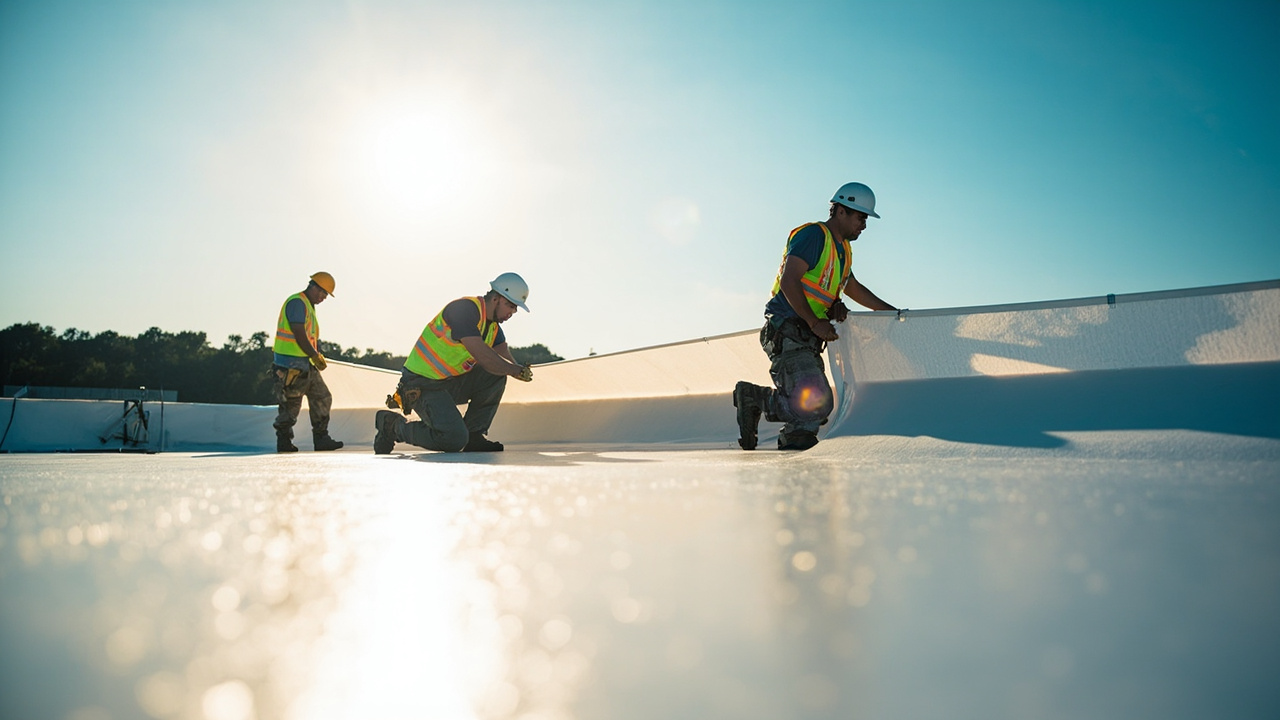
Commercial roof replacement does not require you to shut down operations. We phase installations to work on sections of your roof while keeping other areas watertight and functional. A typical 20,000-square-foot roof takes between five and ten business days depending on weather and the complexity of penetrations. We schedule noisy tear-off work during your non-business hours if you operate a medical office or professional service where noise disrupts client interactions. For retail and warehouse facilities, we work during business hours with safety barriers that keep your employees and customers away from the work zone. You receive a written schedule before we start so you can plan around deliveries, inspect progress, and coordinate with tenants.

Pre-Installation Roof Inspection

Before proposing a solution, we conduct a roof core sample to examine the existing assembly. This reveals how many layers of roofing are present, whether moisture has infiltrated the insulation, and if the decking is structurally sound. We use an infrared camera during evening hours when temperature differentials make wet insulation visible. This prevents us from covering a moisture problem with a new membrane, which would lead to mold growth and premature failure. You receive a written report with photos and a recommended scope of work based on actual conditions, not assumptions. This eliminates change orders and surprise costs during installation.

Membrane Performance and Longevity

The membrane systems we install carry manufacturer warranties ranging from 10 to 30 years depending on the material and installation method you select. TPO membranes offer high reflectivity, reducing cooling costs in facilities with air-conditioned spaces. Modified bitumen provides excellent puncture resistance for roofs with frequent maintenance access. EPDM delivers proven long-term performance in low-slope applications. We help you select the system that matches your budget, building use, and planned ownership timeline. All materials meet FM Global 4470 approval for wind uplift resistance and ASTM standards for weathering and tensile strength. This ensures your roof performs as specified, not just at installation but throughout its service life.

Maintenance Plans and Warranty Service

Manufacturer warranties require annual inspections and documented maintenance to remain valid. We offer service agreements that include biannual roof inspections, debris removal from drains and gutters, and minor repairs like resealing penetrations or replacing damaged fasteners. These visits catch small issues before they become leaks that damage inventory or interrupt operations. You receive a written report after each inspection with photos of any areas needing attention. This documentation is required if you file a warranty claim and valuable during property sales when buyers request proof of roof maintenance. Scheduled maintenance extends roof life by an average of five years compared to roofs that receive no attention between installation and failure.

Frequently Asked Questions

You Have Questions,
We Have Answers

What is the 25% rule for roofing? +

The 25% rule states that if 25% or more of your roof surface requires repairs within a 12-month period, most building codes mandate a complete roof replacement rather than patching. This prevents piecemeal fixes on failing systems that create liability and energy inefficiency. Insurance adjusters and inspectors use this threshold to determine if repairs meet code. For commercial properties, this rule protects you from recurring leaks and failed inspections. If multiple sections show membrane deterioration, ponding damage, or flashing failures, replacing the entire system becomes the code-compliant and financially sensible choice.

How much does commercial roofing usually cost? +

Commercial roofing costs vary based on membrane type, building size, and roof access. TPO and EPDM rubber roofs typically run lower per square foot than modified bitumen or metal systems. A 10,000 square foot flat roof replacement on a single-story retail building will cost significantly less than a multi-story office complex requiring crane access and additional safety rigging. Removal of existing layers, decking repairs, and insulation upgrades add to the baseline. Geographic location affects labor rates and material delivery. Request itemized quotes from three contractors to compare apples to apples.

How much does a roofing contractor charge per hour? +

Commercial roofing contractors do not typically charge hourly rates. They bid projects as lump sums based on square footage, material specifications, labor requirements, and project complexity. Emergency leak repairs might carry service call minimums, but scheduled work uses fixed pricing. This protects you from cost overruns and gives predictable budgeting. Labor represents 40-60% of total project cost, but it is bundled into the per-square or total bid price. Contractors calculate crew size, equipment needs, and timeline, then provide a flat contract price. Hourly billing creates unpredictable costs and is uncommon in commercial roofing.

How much does a 2000 sq ft roof cost? +

A 2,000 square foot commercial roof replacement cost depends on membrane type, roof slope, and structural condition. Flat roofs with TPO or EPDM membranes cost less than standing seam metal or built-up roofing systems. Single-story buildings with easy access reduce labor costs compared to multi-story properties requiring lifts or cranes. If your decking needs replacement or insulation upgrades are required for energy code compliance, expect higher numbers. Removal of multiple old layers increases disposal fees. Get three detailed bids that specify materials, warranty terms, and scope to compare accurately.

How to tell if a roofer is lying? +

Red flags include pressure to sign same-day contracts, vague bids without material specifications, requests for full payment upfront, and reluctance to provide references or proof of insurance. A roofer claiming your entire roof needs replacement after a minor leak without a thorough inspection is suspect. Check for current liability insurance and workers' compensation coverage. Verify their business license and look for patterns of complaints with the Better Business Bureau. Legitimate contractors provide detailed written estimates, explain the scope clearly, and offer material options with trade-offs. Trust your instincts if something feels off.

How to price out a roofing job? +

Start with accurate roof measurements using blueprints or on-site surveys. Calculate total square footage, then identify membrane type, insulation requirements, and flashing details. Factor in tear-off and disposal costs if removing old layers. Add equipment needs like cranes, lifts, or safety rigging for multi-story buildings. Include material costs, labor hours based on crew size, and project timeline. Account for permits, inspections, and insurance requirements. Add contingency for unforeseen decking repairs or code upgrades. Break the bid into line items so clients see exactly what they pay for. Transparent pricing builds trust and reduces disputes.

Is a commercial roof replacement tax deductible? +

Commercial roof replacements generally qualify as capital improvements, meaning you depreciate the cost over 39 years rather than deduct it immediately. Repairs that restore existing function without extending roof life may qualify as deductible business expenses in the tax year incurred. The IRS distinguishes between repairs and improvements based on whether the work extends the asset's useful life or adapts it to new uses. Consult your CPA or tax advisor with your specific project details. They will determine if Section 179 expensing or bonus depreciation applies to your situation, depending on current tax law.

Can roofers make 100k a year? +

Yes, experienced commercial roofing foremen and skilled installers in high-demand markets regularly earn six figures annually. Union scale in major metropolitan areas, overtime on large projects, and performance bonuses push earnings higher. Contractors who own their businesses and manage multiple crews exceed this significantly. The work is physically demanding and requires specialized skills in membrane installation, flashing details, and safety protocols. Certifications from manufacturers like GAF or Firestone increase earning potential. Willingness to travel for storm restoration work or large industrial projects adds income. The trade rewards expertise, reliability, and the ability to manage complex commercial installations.

Why are commercial roofs so expensive? +

Commercial roofs cost more than residential because of larger surface areas, specialized membranes, and complex drainage systems. Commercial buildings require cranes, lifts, and extensive safety equipment for multi-story access. Labor crews are larger and more specialized, with certified installers trained in TPO welding, modified bitumen torching, or metal panel seaming. Commercial projects demand higher liability insurance, stricter code compliance, and engineered specifications for wind uplift and fire ratings. Material costs per square foot are higher for durable membranes designed for flat or low-slope applications. The stakes are higher because business interruption from roof failure costs tens of thousands daily.

What do roofers make per day? +

Commercial roofers working for established contractors typically earn daily wages between $200 and $400, depending on experience level, geographic market, and union membership. Foremen and crew leads earn more. These figures reflect gross pay before taxes and benefits. Hourly rates translate to eight-to-ten-hour days, though commercial projects often involve longer shifts to meet deadlines or weather windows. Skilled installers with manufacturer certifications command premium rates. Self-employed contractors or business owners earn significantly more but carry overhead costs, insurance, and equipment expenses. Daily income fluctuates based on project type, season, and regional demand for commercial roofing services.

How Hattiesburg's Hurricane Exposure Shapes Commercial Roofing Requirements

Hattiesburg sits 70 miles inland from the Gulf Coast, far enough to avoid storm surge but close enough to experience hurricane-force winds. This creates a specific failure mode for commercial roofing systems. Wind does not tear off a properly installed membrane. It gets under the membrane through unsecured edges or poorly fastened seams, then inflates the assembly like a balloon until fasteners pull through the decking. Commercial roofing contractors in Hattiesburg must design edge securement and fastener spacing for Wind Zone III requirements, which mandate closer fastener spacing and reinforced perimeter details compared to facilities in North Mississippi. This is not optional. It is the difference between a roof that survives a hurricane and one that requires emergency tarping at 3 a.m. while water pours into your facility.

The Hattiesburg commercial building stock includes structures built across eight decades, each with different roof assemblies and code compliance levels. Commercial roofing specialists who know this market understand which buildings have structural steel that can support heavier insulation upgrades and which have bar joist systems that limit your options. We work regularly with local structural engineers when projects require load calculations, and we maintain relationships with the inspection staff at City of Hattiesburg Community Development. This means your project moves through permitting without delays from incomplete submittals or non-compliant details. You get a roof system engineered for your specific building, installed by crews who understand local expectations, and inspected by officials who recognize quality work when they see it.
Where To Find Us

Elite Roofing Hattiesburg provides trusted, high-quality roofing services for homes and businesses across South Mississippi. We specialize in roof repair, replacement, and inspections using top-grade materials and skilled workmanship. Our local team delivers honest advice, fair pricing, and lasting results—protecting what matters most, your home.

Address:
Elite Roofing Hattiesburg, 7 Professional Pkwy, Hattiesburg, MS, 39402

Additional Services We Offer

Our news updates

Latest Articles & News from The Blogs

Lorem ipsum dolor sit amet. Aut expedita quaerat quo eligendi numquam et laudantium perspiciatis qui minima expedita rem consequatur ducimus.…

Test Blog 4

Lorem ipsum dolor sit amet. Aut expedita quaerat quo eligendi numquam et laudantium perspiciatis qui minima expedita rem consequatur ducimus.…

Test Blog 3

Lorem ipsum dolor sit amet. Aut expedita quaerat quo eligendi numquam et laudantium perspiciatis qui minima expedita rem consequatur ducimus.…

Test Blog 2

Lorem ipsum dolor sit amet. Aut expedita quaerat quo eligendi numquam et laudantium perspiciatis qui minima expedita rem consequatur ducimus.…