Menu

TPO vs EPDM Roofing in Hattiesburg – Which Flat Roof Membrane Actually Lasts in Mississippi's Heat and Humidity?

Understanding the difference between TPO and EPDM roofing means choosing the right flat roof system that can handle Hattiesburg's punishing summers, afternoon storms, and high UV exposure without premature failure.

Slider Image 1
Slider Image 2
Slider Image 3
Slider Image 4
Slider Image 5
Slider Image 7
Slider Image 8
Slider Image 9
Slider Image 10
Slider Image 11

The Flat Roof Material Decision Hattiesburg Building Owners Face

You need a new flat roof for your commercial building in Hattiesburg, and you keep hearing two names: TPO and EPDM. The difference between TPO and EPDM roofing comes down to chemistry, performance, and how each handles the specific conditions your roof faces daily.

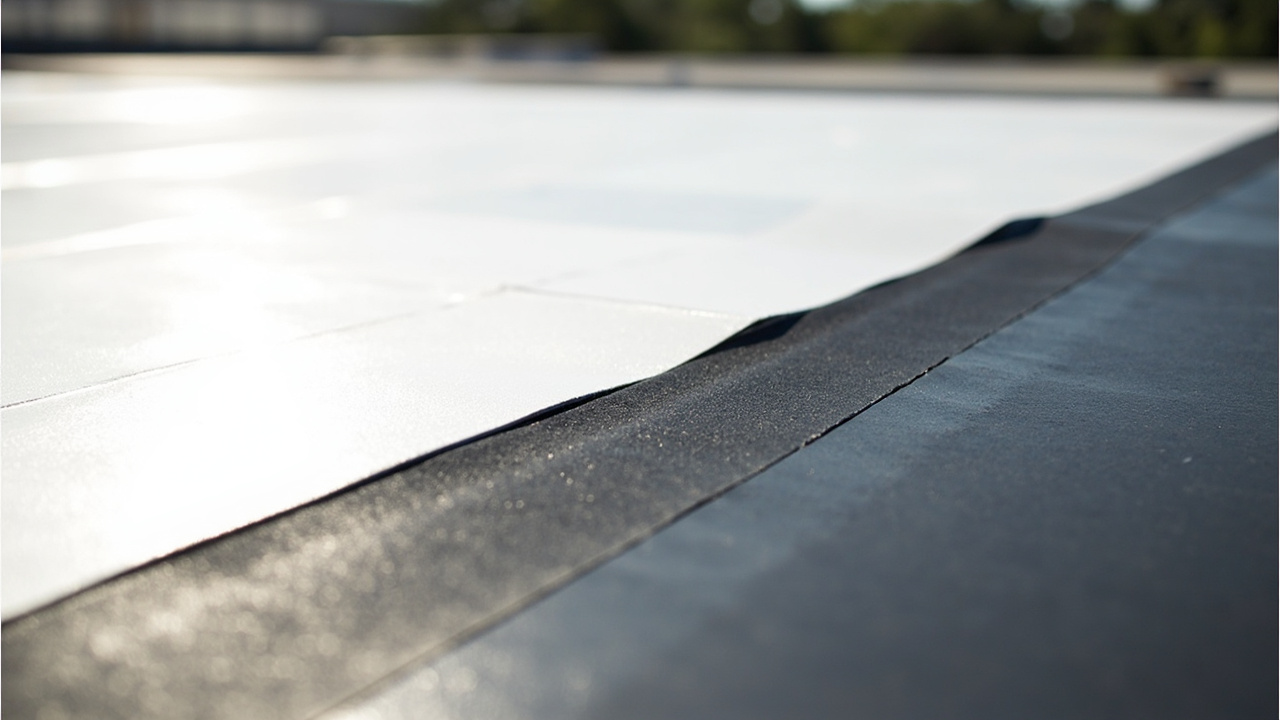
TPO, or thermoplastic polyolefin, is a single-ply white membrane that reflects heat. EPDM, or ethylene propylene diene monomer, is the black rubber roofing you see on many older commercial buildings. Both are single-ply membranes, but they respond completely differently to Hattiesburg's climate.

Mississippi summers deliver relentless UV exposure and surface temperatures that can exceed 160 degrees on a dark roof. EPDM absorbs that heat, which accelerates aging of the rubber compound and increases cooling loads inside your building. TPO's white surface reflects most of that solar radiation, keeping the membrane cooler and reducing thermal stress.

The TPO vs rubber roofing debate in our region often centers on heat management. When you compare TPO vs EPDM pros and cons for a building near the University of Southern Mississippi or along Highway 49, heat reflectivity becomes a critical factor. EPDM has excellent tear resistance and handles ponding water well, which matters given our afternoon thunderstorms and occasional flat roof drainage issues. TPO offers better heat reflection and hot-air weldable seams that create stronger bonds than EPDM's adhesive or tape seams.

The TPO vs EPDM cost comparison shows similar installed pricing, but life expectancy differences emerge based on how each material ages in high-heat, high-humidity environments. The choice depends on your building's specific exposure, existing insulation, and long-term plans.

The Flat Roof Material Decision Hattiesburg Building Owners Face
How TPO and EPDM Perform Under Mississippi Conditions

How TPO and EPDM Perform Under Mississippi Conditions

EPDM has been the workhorse of commercial flat roofing since the 1960s. The material is a synthetic rubber compound that remains flexible across a wide temperature range. It handles thermal cycling well, which matters when your roof goes from 90 degrees at night to 150 degrees by afternoon. EPDM resists ozone degradation and performs reliably in ponding water situations, common on older flat roofs with inadequate drainage.

The weakness of EPDM in Hattiesburg is heat absorption. That black surface soaks up solar radiation, which increases the membrane temperature and accelerates plasticizer loss over time. The rubber gradually becomes brittle, especially around seams and penetrations. EPDM seams rely on liquid adhesives or tape, which can fail when exposed to prolonged heat and moisture cycling.

TPO emerged in the 1990s as an energy-efficient alternative. The white or light gray surface reflects 70 to 80 percent of solar radiation, keeping the membrane significantly cooler. TPO seams are hot-air welded, creating a bond that is often stronger than the membrane itself. This welding process eliminates the adhesive failure points that plague EPDM in hot climates.

TPO's challenge is formulation consistency. Early TPO membranes had issues with plasticizer compatibility, leading to premature cracking. Modern TPO formulations from established manufacturers have largely solved this problem, but quality varies between manufacturers more than with EPDM.

For a building along Hardy Street or in the Midtown Historic District, roof exposure matters. A roof with southern exposure and minimal shade will punish EPDM harder than TPO. A roof with good tree cover and excellent drainage may perform fine with either membrane. The substrate condition, insulation type, and installation details affect performance as much as membrane choice.

How We Help You Choose the Right Membrane for Your Building

TPO vs EPDM Roofing in Hattiesburg – Which Flat Roof Membrane Actually Lasts in Mississippi's Heat and Humidity?
01

Roof Condition Assessment

We inspect your existing roof deck, drainage patterns, and exposure conditions. We measure slope, identify ponding areas, and evaluate penetrations like HVAC units and vents. We check insulation condition and substrate integrity. This assessment determines which membrane will perform best given your building's specific conditions. A building with minimal slope and frequent ponding may favor EPDM's ponding water resistance, while a fully exposed roof benefits from TPO's heat reflection.
02

Material Specification Review

We explain membrane thickness options, attachment methods, and seam performance for both TPO and EPDM. We discuss manufacturer warranties and what conditions affect coverage. We compare total installed costs, expected service life under your specific conditions, and energy performance. You get a clear breakdown of TPO vs EPDM cost comparison and life expectancy for your building, not generic industry averages. This review includes reflectivity ratings, thermal performance, and how each membrane ages in Mississippi's climate.
03

Long-Term Performance Planning

We map out maintenance requirements for whichever membrane you choose. TPO requires periodic seam inspections and cleaning to maintain reflectivity. EPDM needs seam monitoring and prompt repair of any punctures or tears. We establish a maintenance schedule that prevents minor issues from becoming major failures. You receive documentation on proper roof traffic procedures, HVAC maintenance access, and what to watch for between professional inspections. This planning extends membrane life and protects your investment.

Why Hattiesburg Building Owners Trust Local Membrane Expertise

Choosing between TPO and EPDM requires understanding how these materials perform in Mississippi's specific climate conditions, not just reading manufacturer marketing materials. We have installed both membrane types on commercial buildings throughout Forrest County, and we have seen how each ages under real-world conditions.

Hattiesburg's combination of high heat, high humidity, and intense UV exposure creates a challenging environment for any roofing membrane. We have observed EPDM installations from the 1990s that still perform adequately on well-drained roofs with good tree cover. We have also seen EPDM membranes fail prematurely on fully exposed roofs where heat buildup accelerated aging. TPO installations from the mid-2000s show mixed results depending on manufacturer and formulation, while modern TPO from quality manufacturers demonstrates excellent performance in high-heat applications.

This local experience matters when you are making a decision that affects your building for the next 15 to 25 years. We know which TPO manufacturers have consistent formulations and which have had quality control issues. We know which EPDM products handle our climate best. We understand local building requirements and how to design drainage improvements that extend membrane life regardless of material choice.

We work with building owners from the historic downtown district to the newer commercial developments along Highway 98. We have installed flat roof systems on retail centers, office buildings, churches, and industrial facilities. This breadth of experience means we can match membrane selection to your specific building type, use pattern, and budget constraints.

The TPO vs EPDM decision should be based on your building's characteristics, not on which material a contractor prefers to install. We install both, and we recommend based on what will perform best for your situation.

What Your Membrane Selection Process Looks Like

Decision Timeline

The membrane selection process takes one to two weeks from initial contact to final specification. We schedule a roof inspection within 48 hours of your call. The inspection takes one to two hours depending on building size and complexity. We provide a detailed assessment within three business days, including membrane recommendations, cost comparisons, and performance expectations. You receive written specifications for both TPO and EPDM options with clear explanations of the tradeoffs. This timeline allows you to make an informed decision without pressure while moving your project forward efficiently.

Inspection and Analysis

Our roof inspection goes beyond looking at the existing membrane. We use infrared scanning when appropriate to identify wet insulation that affects substrate decisions. We measure roof slope at multiple points to identify drainage problems. We photograph conditions, document penetration details, and assess parapet and edge conditions. We evaluate your HVAC equipment placement and roof traffic patterns. This comprehensive assessment identifies factors that affect membrane performance and longevity. You receive a written report with photos, measurements, and specific findings that inform the material selection decision.

Performance Specifications

Your final specification includes membrane thickness, attachment method, seam detail, flashing design, and penetration treatment for the recommended system. For TPO, we specify hot-air welded seams with minimum weld width and testing procedures. For EPDM, we detail splice adhesive type and application conditions. Both specifications include insulation recommendations, drainage improvements if needed, and edge detail requirements. You receive manufacturer warranty information and what conditions must be met for coverage. The specification is detailed enough for accurate bidding but flexible enough to accommodate site-specific adjustments during installation.

Post-Installation Support

After installation, we provide a maintenance manual specific to your membrane type. For TPO, this includes cleaning procedures to maintain reflectivity and energy performance. For EPDM, it covers seam inspection protocols and proper repair methods. We recommend inspection intervals based on your roof's exposure and use patterns. We document all penetrations, seam locations, and drainage paths for future reference. We establish a relationship for ongoing maintenance support, emergency repairs, and eventual re-roofing when the membrane reaches the end of its service life. This continuity protects your investment over the full life cycle of the roof system.

Frequently Asked Questions

You Have Questions,
We Have Answers

Is EPDM or TPO better? +

Neither membrane is universally better. TPO offers higher reflectivity and heat-welded seams, making it ideal for hot climates and buildings prioritizing energy efficiency. EPDM provides proven durability, easier repairs, and better performance in freeze-thaw cycles, which matters in colder regions. Your choice depends on climate, building use, and budget. TPO costs slightly more upfront but may reduce cooling loads. EPDM costs less and tolerates ponding water better. Evaluate your roof's drainage, sun exposure, and whether you need white reflectivity or black heat absorption before deciding.

What are the cons of TPO roofing? +

TPO's main drawback is inconsistent manufacturing quality. Early formulations experienced premature cracking and seam failures, though newer products have improved. TPO membranes are thinner than EPDM, making them more vulnerable to punctures from foot traffic or debris. The material also degrades faster under constant UV exposure without proper maintenance. Seam welding requires skilled labor. Poor installation leads to catastrophic leaks. TPO performs poorly in extreme cold, becoming brittle below freezing. If your roof sees heavy traffic or lacks professional installation, these vulnerabilities multiply. Choose experienced contractors who understand proper welding techniques and membrane thickness requirements.

What is the life expectancy of EPDM vs TPO roofing systems? +

EPDM lasts 25 to 30 years with proper maintenance, sometimes reaching 40 years. Its rubber composition resists ozone and UV degradation long-term. TPO typically lasts 20 to 25 years, though newer formulations may extend this range. TPO's shorter lifespan stems from thinner membranes and evolving chemistry. Both systems require regular inspections, debris removal, and seam checks to reach their full potential. Ponding water, foot traffic, and deferred maintenance shorten either membrane's life. EPDM's track record spans decades. TPO's relative newness means long-term performance data is still accumulating. Climate and installation quality impact both equally.

What are the disadvantages of EPDM roofing? +

EPDM's biggest weakness is its seam adhesive. Unlike TPO's heat-welded seams, EPDM relies on tape or liquid adhesives that can fail over time, especially with ponding water or temperature fluctuations. The black membrane absorbs heat, increasing cooling costs in hot climates. EPDM punctures easily under sharp objects or heavy equipment. Repairs require meticulous surface prep and compatible adhesives. The material also shrinks slightly over time, stressing seams and flashings. Low-slope roofs with poor drainage amplify these issues. If energy efficiency matters or your roof pools water frequently, EPDM's limitations become costly. Proper installation and drainage design mitigate most problems.

How much is TPO vs EPDM? +

EPDM costs between $4 and $8 per square foot installed. TPO runs $5 to $10 per square foot. Price differences stem from membrane thickness, labor complexity, and regional material availability. TPO requires specialized heat-welding equipment and trained installers, raising labor costs. EPDM installs faster with adhesive or mechanical fasteners. Roof size, access difficulty, and existing substrate condition affect both. Removing old roofing, adding insulation, or upgrading drainage systems adds expense regardless of membrane choice. Get itemized quotes comparing similar thicknesses and warranties. Cheapest bids often mean thinner membranes or inexperienced crews. Factor in energy savings and lifespan when comparing total cost.

Is EPDM 100% waterproof? +

EPDM is waterproof when installed correctly, but no roofing membrane is immune to failure. Seams, penetrations, and flashings are weak points where water infiltrates if adhesive fails or installation is sloppy. Ponding water accelerates adhesive breakdown. Punctures from sharp objects compromise the membrane instantly. EPDM itself resists water absorption, but the system's integrity depends on workmanship and maintenance. Regular inspections catch small issues before they become leaks. Properly welded or adhered seams, correctly detailed flashings, and adequate drainage make EPDM effectively waterproof for decades. Neglect any component, and water finds a way through. No membrane is bulletproof without proper care.

How many years does a TPO roof last? +

A TPO roof lasts 20 to 25 years on average. Quality varies by manufacturer and formulation improvements over the past decade. Thicker membranes (60 mil or 80 mil) outlast thinner options (45 mil). Proper installation, especially heat-welded seams, extends lifespan. Roofs with minimal foot traffic, good drainage, and regular maintenance reach the upper end of this range. Extreme temperatures, UV exposure, and deferred maintenance shorten it. TPO's relatively short track record means long-term performance data is incomplete compared to EPDM's 40-year history. Choose reputable manufacturers with proven formulations and experienced installers to maximize durability. Expect routine inspections every two years.

Can TPO go over EPDM? +

Yes, TPO can be installed over EPDM if the existing membrane is structurally sound, dry, and free of major damage. This recover method saves tear-off costs and landfill fees. You must install a cover board or separation layer between membranes to prevent chemical incompatibility. Inspect for wet insulation, failing seams, or excessive ponding before recovering. Building codes limit the number of roof layers allowed. Adding weight may exceed structural load limits. If the EPDM is failing badly, tearing it off prevents trapping moisture and future problems. Recovering works best when the EPDM is aged but intact. Consult a structural engineer and local codes before proceeding.

What is better than TPO roofing? +

PVC roofing outperforms TPO in chemical resistance, seam strength, and longevity, lasting 25 to 30 years. PVC's welded seams are stronger than TPO's, and the material resists grease, oils, and industrial pollutants better. It costs more upfront, typically $6 to $12 per square foot installed. Modified bitumen offers excellent puncture resistance and easier repairs but lacks TPO's reflectivity. Metal roofing lasts 40-plus years with minimal maintenance but costs significantly more. Spray polyurethane foam provides seamless waterproofing and insulation but requires expert application. Your best choice depends on budget, building use, climate, and maintenance capabilities. TPO balances cost and performance for many applications.

What is the 25% rule for roofing? +

The 25% rule states that if damage or deterioration affects more than 25% of a roof section, most building codes require complete replacement rather than partial repair. This threshold prevents patchwork fixes on failing systems that compromise structural integrity and waterproofing. Inspectors evaluate water damage, membrane degradation, and insulation saturation to determine if you exceed this limit. Ignoring the rule risks failed inspections, insurance claim denials, and cascading failures. Some jurisdictions use different thresholds or apply the rule per roof section rather than the entire roof. Check local building codes before planning repairs. Exceeding 25% damage usually means the entire system is near end-of-life.

How Hattiesburg's Heat and Humidity Affect TPO vs EPDM Life Expectancy

Hattiesburg sits in the Pine Belt region where summer heat indices regularly exceed 105 degrees and relative humidity stays above 70 percent for much of the year. This combination creates conditions where membrane temperature and moisture cycling become critical performance factors. TPO's reflective surface keeps the membrane 30 to 50 degrees cooler than EPDM on identical buildings, reducing thermal stress and slowing aging. EPDM's superior flexibility handles the thermal expansion and contraction well, but the heat absorption accelerates plasticizer loss over time. Buildings near the Leaf River or Bouie River experience higher humidity exposure that affects adhesive performance in EPDM seams, making TPO's welded seams advantageous in these locations.

Local commercial roofing experience in Hattiesburg reveals performance patterns that do not show up in laboratory testing. We have tracked membrane aging on buildings throughout the city, from the retail centers along Highway 49 to the industrial facilities near the airport. This long-term observation shows which products and installation methods deliver reliable performance in our climate. We understand how seasonal weather patterns affect installation timing and curing conditions. We know which local suppliers stock quality materials and maintain proper storage conditions. This local knowledge ensures your membrane selection is based on proven performance in Hattiesburg's specific environment, not on generic manufacturer claims or national averages.

Where To Find Us

Elite Roofing Hattiesburg provides trusted, high-quality roofing services for homes and businesses across South Mississippi. We specialize in roof repair, replacement, and inspections using top-grade materials and skilled workmanship. Our local team delivers honest advice, fair pricing, and lasting results—protecting what matters most, your home.

Address:
Elite Roofing Hattiesburg, 7 Professional Pkwy, Hattiesburg, MS, 39402

Additional Services We Offer

Our news updates

Latest Articles & News from The Blogs

Lorem ipsum dolor sit amet. Aut expedita quaerat quo eligendi numquam et laudantium perspiciatis qui minima expedita rem consequatur ducimus.…

Test Blog 4

Lorem ipsum dolor sit amet. Aut expedita quaerat quo eligendi numquam et laudantium perspiciatis qui minima expedita rem consequatur ducimus.…

Test Blog 3

Lorem ipsum dolor sit amet. Aut expedita quaerat quo eligendi numquam et laudantium perspiciatis qui minima expedita rem consequatur ducimus.…

Test Blog 2

Lorem ipsum dolor sit amet. Aut expedita quaerat quo eligendi numquam et laudantium perspiciatis qui minima expedita rem consequatur ducimus.…