Menu

Granules in Gutter in Hattiesburg | Stop Roof Damage Before It Spreads

When you spot asphalt shingle shedding or sand in gutters from roof, you are looking at early signs of roof failure that demand immediate diagnosis and expert repair before water infiltration causes structural damage to your Hattiesburg home.

Slider Image 1
Slider Image 2
Slider Image 3
Slider Image 4
Slider Image 5
Slider Image 7
Slider Image 8
Slider Image 9
Slider Image 10
Slider Image 11

Why You Are Finding Sand and Grit in Your Hattiesburg Gutters

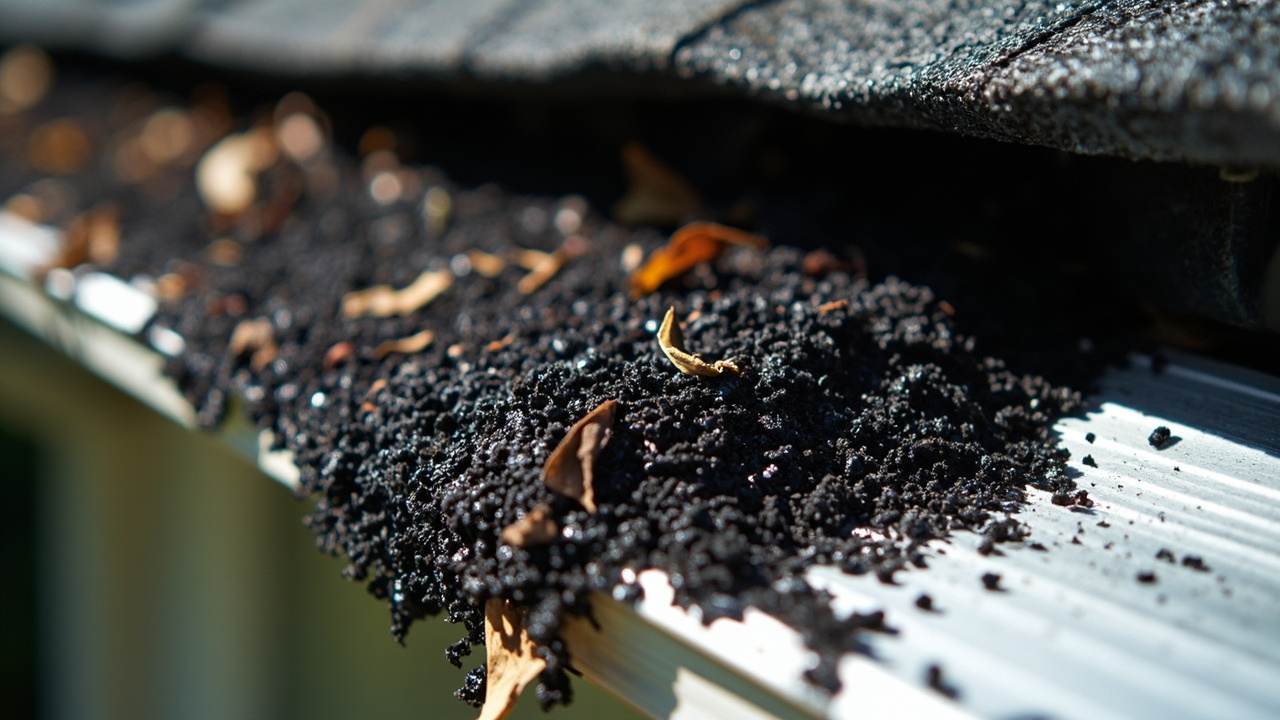
You clean your gutters and find what looks like coarse sand or dark grit piled at the bottom. That material is not dirt. You are looking at roof granule loss, the protective mineral coating that shields your asphalt shingles from UV radiation and weather impact. When you see shingle grit in gutters, your roof is telling you it is aging faster than it should.

Hattiesburg's climate accelerates this process. The combination of intense summer heat, high humidity, and sudden temperature swings during winter months causes asphalt shingles to expand and contract repeatedly. This thermal cycling loosens the adhesive bond that holds granules to the shingle surface. Add in the heavy spring storms that roll through the Pine Belt, and you have a perfect recipe for accelerated asphalt shingle shedding.

Loose roofing granules are not just cosmetic. Those granules are your first line of defense against the elements. Without them, the asphalt mat underneath bakes in direct sunlight. The shingle becomes brittle. Cracks form. Water finds a way through. What starts as sand in gutters from roof becomes a leak in your living room ceiling within months.

The problem compounds in older neighborhoods around Downtown Hattiesburg and the areas near the University of Southern Mississippi, where homes built in the 1980s and 1990s are reaching the end of their original roof lifespan. If you are finding consistent granule accumulation after every rain, your roof has moved past normal aging into active failure mode. You need a diagnostic inspection now, not next season.

Why You Are Finding Sand and Grit in Your Hattiesburg Gutters
How We Diagnose and Address Granule Loss in Hattiesburg

How We Diagnose and Address Granule Loss in Hattiesburg

Granule loss requires a layered diagnostic approach. We do not assume every roof with shedding granules needs replacement. Some roofs lose granules heavily in their first year due to manufacturing excess. Other roofs lose granules in isolated areas due to hail impact or wind damage that is repairable. The key is determining whether you are seeing normal wear or systemic failure.

We start with a visual inspection of your entire roof plane. We look for bald spots where the black asphalt substrate shows through the granule coating. We check the concentration of granules in valleys and downspouts. We examine the distribution pattern. Uniform shedding across the entire roof signals age-related breakdown. Localized shedding in specific zones suggests storm damage or a defective shingle batch.

Next, we perform a tactile test. We run our hands across shingle surfaces in multiple locations. Healthy shingles feel rough and granular. Failing shingles feel smooth or slick because the protective layer is gone. We also check for brittleness by lifting shingle tabs gently. If the material cracks or breaks easily, the asphalt binder has oxidized past its useful life.

We inspect attic spaces for water stains on decking or rafters. Granule loss often precedes leaks by six to eighteen months. If we find moisture evidence inside your attic while you are still in the granule-shedding phase, we know water is already penetrating through compromised shingles during wind-driven rain events.

We document everything with photos and measurements. You get a clear explanation of whether you need spot repairs, a partial reroof of one slope, or full replacement. We never upsell. We tell you what the roof condition actually requires.

What Happens When You Call About Granules in Your Gutters

Granules in Gutter in Hattiesburg | Stop Roof Damage Before It Spreads
01

Initial Roof Assessment

We schedule an inspection within 48 hours of your call. Our technician arrives with a ladder, drone equipment for steep pitches, and a moisture meter. We photograph the granule accumulation in your gutters and downspouts. We map out which roof sections are shedding most heavily. You get a same-day verbal summary of what we found and whether this is urgent or something you can plan for over the next few months.
02

Detailed Condition Report

Within 24 hours, you receive a written report with annotated photos showing bald spots, cracked shingles, and areas of concern. We include an attic inspection summary if we found interior moisture evidence. The report categorizes findings into immediate repairs, short-term monitoring, and eventual replacement needs. You get a clear timeline and a breakdown of options. No pressure, just information so you can make the right decision for your home and budget.
03

Repair or Replacement Execution

If you move forward, we schedule the work based on urgency and weather windows. For localized damage, we replace affected shingles and inspect surrounding areas for hidden issues. For full reroofs, we remove old material down to the decking, inspect for rot or structural damage, install new underlayment, and apply a complete shingle system. You get a clean site, a thorough walkthrough, and documentation for insurance and future home sales.

Why Hattiesburg Homeowners Trust Us With Roof Diagnostics

Roof problems in Hattiesburg require local knowledge. We understand how humidity accelerates shingle aging. We know which neighborhoods have clay soil that causes foundation movement and roof stress. We have worked on hundreds of homes in the Historic Neighborhood District, where architectural guidelines require matching shingle styles and colors for any repair work.

We also understand the insurance landscape here. Mississippi windstorm policies often exclude certain types of gradual wear, but they cover sudden storm damage. When we document granule loss, we distinguish between age-related deterioration and acute weather events. That distinction matters when you file a claim. We provide the detailed photo evidence and written assessments that adjusters need to approve legitimate damage claims.

You will not get a sales pitch from us. You will get a honest evaluation. If your roof has five years of life left, we tell you to wait and budget for replacement down the road. If you have active leaks starting, we tell you to move fast. We have been serving the Pine Belt long enough to know that trust is built on transparency, not high-pressure tactics.

We also handle the permitting process with the City of Hattiesburg Building Services. We pull the required permits, schedule inspections, and make sure all work meets current building codes. You do not have to navigate city bureaucracy. We take care of it.

Our crews are familiar with the mix of ranch-style homes, split-levels, and older two-story structures common throughout neighborhoods like Oak Grove and Petal. We know how to work safely on steep pitches, how to protect landscaping during tear-offs, and how to complete jobs quickly without sacrificing quality.

What You Can Expect During the Inspection and Repair Process

Fast Scheduling and Transparent Timelines

We schedule roof inspections within two business days of your call. The inspection itself takes 45 minutes to an hour, depending on roof size and complexity. If we find urgent issues like active leaks or structural concerns, we can often deploy a repair crew within 72 hours to stop water intrusion. For full reroofing projects, lead times vary by season. Spring and fall are our busiest periods, so expect two to four weeks from contract signing to job start. Summer and winter offer faster turnarounds, often within one week. We always give you a firm start date before you sign anything.

Comprehensive Diagnostic Methods

Our inspection covers more than just the shingles. We examine flashing around chimneys, vent pipes, and skylights. We check soffit vents and ridge vents for proper attic ventilation, because poor airflow accelerates granule loss from the inside out. We inspect fascia boards and drip edges for rot or water damage. We enter your attic to check for stains, mold, or insulation damage. You receive a multi-point condition report that explains every finding in plain language. We also provide a realistic lifespan estimate for your current roof based on its condition and our experience with similar roofs in the Hattiesburg climate.

Quality Materials and Skilled Installation

We install architectural shingles rated for high wind zones, which matters during spring storm season. Our underlayment is synthetic, not felt paper, because it resists moisture better in humid climates. We hand-nail every shingle to manufacturer specifications. We replace any damaged decking we discover during tear-off. Our crews clean up daily, and we use magnetic rollers to pick up stray nails from your driveway and lawn. When we finish, your roof looks sharp, your property is clean, and you have documentation of every material and method we used. You also get photos of the completed work for your records.

Post-Installation Support and Monitoring

After installation, we return for a final walkthrough to answer any questions and make sure you are satisfied with the work. We provide care instructions for your new roof, including guidance on safe cleaning methods and when to schedule future inspections. Most manufacturer warranties require periodic inspections to remain valid, so we offer annual maintenance checks to document your roof condition and catch small issues before they become expensive problems. If you notice any issues in the months following installation, we respond quickly to assess and address them. Our goal is to give you decades of trouble-free performance.

Frequently Asked Questions

You Have Questions,
We Have Answers

Is it normal to have shingle granules in the gutter? +

Yes, finding some shingle granules in your gutters is normal, especially on new roofs. Manufacturers apply excess granules during production, and loose ones wash off during the first few rain cycles. You will also see minor granule loss from thermal expansion and contraction as temperatures shift. The concern arises when you see heavy, consistent accumulation or bald patches on shingles. If granules pile up like coarse sand after every storm, or you notice exposed asphalt on your roof surface, schedule an inspection. Normal shedding is light and temporary.

How much granule loss is too much? +

You cross the threshold into concern when granule loss exposes the underlying asphalt mat. Look for shingles with dark, smooth patches where the protective mineral layer is gone. If you can see the black substrate or if granules fill your gutters regularly after each rain, action is needed. A single handful per season is normal wear. Cupfuls per downspout, year after year, signal accelerated aging. When 30 percent or more of a shingle surface shows exposed asphalt, water penetration risk climbs sharply. That is your cue to call a roofer.

Are gutter hedgehogs a good idea? +

Gutter hedgehogs, those cylindrical brush inserts, can help reduce debris buildup in gutters. They work well in areas with moderate leaf drop by preventing large clumps from blocking downspouts. The downside is they trap finer particles like shingle granules, pine needles, and roof sediment between the bristles. Over time, this trapped material compacts and requires manual cleaning. If your roof is shedding granules heavily, hedgehogs will collect them but make inspection harder. They are a decent short-term filter, not a replacement for seasonal gutter maintenance or addressing the root granule loss.

Does granular loss mean I need a new roof? +

Not always. Granule loss is one symptom, not an automatic replacement trigger. If your roof is under 10 years old and you see isolated bare spots, you may have defective shingles eligible for a warranty claim. If the roof is 15 to 20 years old and granule loss is widespread with curling, cracking, or missing tabs, replacement is likely. A professional inspection will check the decking, flashing, and ventilation. Age, extent of damage, and remaining asphalt integrity determine whether you repair or replace. Do not self-diagnose from the ground.

Is granular loss covered by insurance? +

Insurance covers granule loss only if it results from a covered peril like hail, wind, or falling debris. Standard policies do not cover wear and tear, aging, or manufacturing defects. If a hail storm fractures shingles and dislodges granules, your insurer will typically pay for repairs or replacement minus your deductible. You must document the damage with photos and file a claim promptly. An adjuster will inspect the roof for impact marks. Normal aging and UV degradation are your responsibility. Review your policy declarations and talk to your agent about windstorm coverage limits.

How to tell if a roofer is lying? +

A dishonest roofer will manufacture urgency by claiming minor granule loss means imminent failure, or by inflating the scope of damage after a storm. Red flags include refusing to provide a written estimate, pressuring you to sign insurance proceeds over immediately, or offering to waive your deductible, which is insurance fraud. Ask for references, verify their license and insurance, and get a second opinion. A trustworthy contractor explains what they found, shows you photos of problem areas, and gives you time to review quotes. Avoid anyone going door to door after storms.

How do you fix granule loss on shingles? +

You cannot fix granule loss on shingles. Once the ceramic coating is gone, the asphalt beneath degrades under UV exposure. There is no adhesive or spray that restores the protective mineral layer. Your options are replacement of the affected shingles or, if damage is widespread, a full roof replacement. Some roofers apply roof coatings to extend life on commercial flat roofs, but those do not restore granules on sloped asphalt shingles. If granule loss is limited to a few shingles from storm damage, replace those sections. If aging caused it, budget for a new roof.

How to fix a granular? +

This question likely refers to repairing individual granules on a shingle, which is not possible. Granules are embedded in the asphalt during manufacturing and cannot be reapplied in the field. If you mean fixing a gutter full of granule buildup, remove the debris during routine gutter cleaning. Use a scoop or shop vacuum to clear accumulated sediment, then flush downspouts with a hose. If granules keep returning in large volumes, address the source by inspecting your roof for damage or aging. Fixing the symptom in the gutter does not solve the roofing issue above.

What is the 25% rule for roofing? +

The 25 percent rule is an insurance guideline. If wind or hail damage affects 25 percent or more of a roof slope, insurers often authorize replacement of that entire slope rather than spot repairs. Mixing old and new shingles creates color mismatches and uneven weathering, so replacing a full plane maintains aesthetic and performance consistency. Some policies extend this to the entire roof if multiple slopes are damaged. Your adjuster will measure the affected area and compare it to total square footage. This rule protects you from a patchwork roof that looks inconsistent and may not seal properly.

What is the biggest problem for hedgehogs? +

For actual hedgehogs, the biggest threats are habitat loss, vehicle strikes, and predation. For gutter hedgehogs, the main problem is maintenance neglect. The brush bristles trap organic debris, shingle granules, and sediment, creating a compacted mat that blocks water flow if not cleaned. Homeowners install them and forget they exist. This leads to overflow, fascia rot, and foundation water intrusion. Gutter hedgehogs also make visual inspection difficult since you cannot see the gutter bottom without removing the insert. They need annual cleaning just like open gutters. Treat them as a filter, not a cure.

How Hattiesburg's Humidity and Storm Patterns Accelerate Granule Loss

Hattiesburg sits in the heart of the Pine Belt, where humidity regularly exceeds 70 percent even in winter months. That constant moisture exposure creates a challenging environment for asphalt shingles. The granules that protect your roof are embedded in an asphalt-based adhesive. When humidity stays high day after day, the asphalt binder slowly softens. Add the intense summer heat that pushes roof surface temperatures above 160 degrees, and that adhesive bond weakens further. Spring storms bring heavy rain and wind gusts that physically strip loosened granules from the shingle surface. This cycle repeats every year, which is why roofs in Hattiesburg often fail years earlier than the same shingle products installed in drier climates out west.

We have been inspecting and repairing roofs across Forrest and Lamar Counties for years. We know the building codes enforced by the City of Hattiesburg and the common roof designs found in neighborhoods from West Hattiesburg to the areas around Turtle Creek Mall. That local experience matters when you need accurate diagnosis and repair. A roofing contractor from the coast or from Jackson will not understand the specific ways that Pine Belt weather impacts shingle performance. We do. We see it every day. When you call us about granules in your gutters, you are talking to people who have solved this exact problem for hundreds of your neighbors.

Where To Find Us

Elite Roofing Hattiesburg provides trusted, high-quality roofing services for homes and businesses across South Mississippi. We specialize in roof repair, replacement, and inspections using top-grade materials and skilled workmanship. Our local team delivers honest advice, fair pricing, and lasting results—protecting what matters most, your home.

Address:
Elite Roofing Hattiesburg, 7 Professional Pkwy, Hattiesburg, MS, 39402

Additional Services We Offer

Our news updates

Latest Articles & News from The Blogs

Lorem ipsum dolor sit amet. Aut expedita quaerat quo eligendi numquam et laudantium perspiciatis qui minima expedita rem consequatur ducimus.…

Test Blog 4

Lorem ipsum dolor sit amet. Aut expedita quaerat quo eligendi numquam et laudantium perspiciatis qui minima expedita rem consequatur ducimus.…

Test Blog 3

Lorem ipsum dolor sit amet. Aut expedita quaerat quo eligendi numquam et laudantium perspiciatis qui minima expedita rem consequatur ducimus.…

Test Blog 2

Lorem ipsum dolor sit amet. Aut expedita quaerat quo eligendi numquam et laudantium perspiciatis qui minima expedita rem consequatur ducimus.…