Menu

Blistering Shingles in Hattiesburg – Expert Diagnosis Stops Roof Damage Before It Spreads

Get accurate identification of asphalt shingle blisters and a targeted repair plan that addresses Hattiesburg's humidity and heat before bubbling shingles compromise your entire roof deck.

Slider Image 1
Slider Image 2
Slider Image 3
Slider Image 4
Slider Image 5
Slider Image 7
Slider Image 8
Slider Image 9
Slider Image 10
Slider Image 11

Why Your Roof Is Bubbling and What It Means for Your Home

You look up and see raised bubbles across your shingles. They look wrong. They feel spongy when you press them. This is not cosmetic.

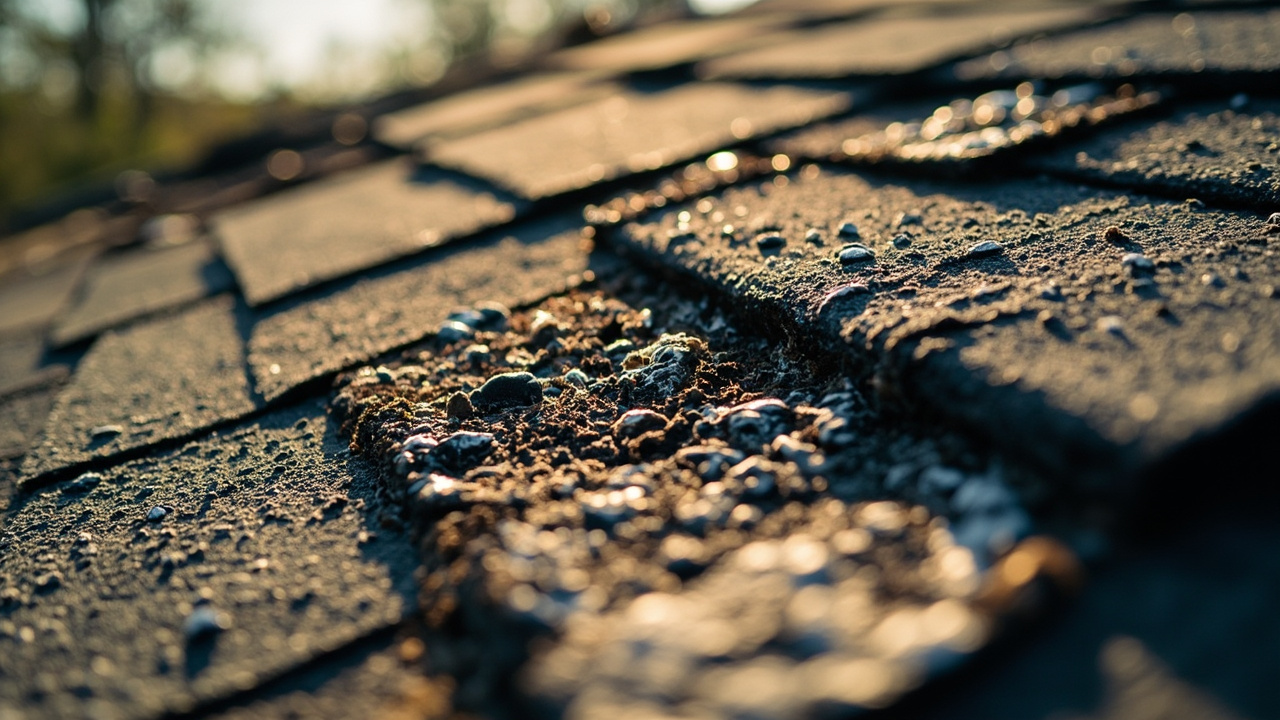
Asphalt shingle blisters form when moisture or air gets trapped between the layers of your shingle during manufacturing or installation. Once the Hattiesburg sun heats your roof to 160 degrees or higher on a July afternoon, that trapped pocket expands. The shingle surface lifts. The blister forms.

Hattiesburg's combination of intense summer heat and year-round humidity creates the perfect conditions for shingle bubbles to develop and spread. When morning dew sits on your roof and the sun hits by 9 a.m., the temperature swing accelerates blister formation. The Gulf Coast climate does not give your roof a break.

Roof blisters weaken the integrity of the shingle. When a blister pops, it exposes the asphalt mat underneath to UV rays and moisture. The granules that protect your shingle wash away. The exposed area deteriorates rapidly. Water penetrates the roof deck. You see stains on your ceiling.

Heat blisters on roof surfaces also signal installation issues. If your shingles were installed on a wet deck, or if ventilation in your attic is inadequate, moisture gets trapped during the curing process. The bubbling shingles you see today are telling you there is a deeper problem. Ignoring it leads to wood rot, mold growth in your attic, and eventual roof failure.

This is not something you wait on. Every storm season increases the risk of a blister rupturing and turning into a leak.

Why Your Roof Is Bubbling and What It Means for Your Home
How We Identify the Root Cause and Stop Further Damage

How We Identify the Root Cause and Stop Further Damage

We do not guess. We start with a full roof inspection that determines whether your blisters are surface-level or symptomatic of a ventilation or decking issue.

First, we assess the blister pattern. Isolated blisters in high-sun areas suggest manufacturing defects or poor shingle adhesion during installation. Widespread bubbling across multiple roof planes points to systemic moisture problems, often tied to inadequate attic ventilation or a moisture barrier failure.

We check your attic ventilation. In Hattiesburg, poor ridge vent installation or blocked soffit vents trap heat and moisture in your attic space. This creates a pressure cooker effect. Your roof deck stays wet longer. Shingles installed on damp decking will blister within months. We measure airflow and temperature differentials to confirm whether your ventilation meets code.

Next, we examine your roof deck from the attic. We look for water stains, mold, or soft spots in the plywood. If blisters have already ruptured, we trace the water path to see how far the damage extends. This tells us whether we are replacing a few shingles or addressing a larger decking issue.

We also evaluate your shingle quality and installation method. If your roof was installed during high heat or humidity without proper shingle acclimation, blistering was inevitable. We check nail placement, starter strip alignment, and adhesive seal integrity.

Once we understand the cause, we build a repair plan that fixes the problem at the source. Replacing blistered shingles without addressing ventilation or deck moisture guarantees the problem returns. We do not patch over symptoms.

What Happens When You Call About Roof Blisters

Blistering Shingles in Hattiesburg – Expert Diagnosis Stops Roof Damage Before It Spreads
01

Roof and Attic Inspection

We schedule a full roof inspection within 48 hours. Our team examines your shingles, checks blister distribution, and inspects your attic for ventilation issues and moisture intrusion. We document every blister location and assess whether your roof deck has been compromised. You get a clear diagnosis, not a sales pitch.
02

Cause Identification and Repair Plan

We explain what caused your blisters and what needs to happen to fix it. If ventilation is the issue, we map out ridge vent or soffit corrections. If shingle quality or installation is the problem, we outline replacement zones. You get a detailed scope of work with cost factors, so you can make an informed decision.
03

Shingle Replacement and Prevention

We remove damaged shingles, inspect and repair the underlayment and decking if needed, and install new shingles that match your existing roof. If ventilation was the root cause, we correct it before new shingles go down. You get a roof that performs correctly in Hattiesburg's climate, not a temporary patch that fails in six months.

Why Hattiesburg Homeowners Trust Us with Roof Blister Repairs

Roof problems in Hattiesburg require someone who understands the climate. We have seen how the humidity and heat cycles here cause shingle failures that would not happen in drier regions. We know which shingle brands hold up and which ones blister prematurely in Gulf Coast conditions.

We also understand local building codes. Hattiesburg adopted updated ventilation requirements in recent years to address moisture problems common in this region. Many older homes do not meet current standards. When we repair your roof, we bring your ventilation up to code so your new shingles last.

Our team does not oversell. If your blisters are isolated and your roof structure is sound, we replace the affected shingles and move on. If we find a bigger issue, we tell you exactly what it is and why it matters. You get honest assessments, not fear tactics.

We also coordinate with insurance adjusters when storm damage is involved. Hail and high winds can cause shingle blisters to rupture, and many homeowners do not realize this qualifies as covered damage. We document the damage, provide detailed reports, and work with your carrier to make sure you get a fair settlement.

Speed matters when you have roof damage. We prioritize blister repairs because we know a small problem becomes a big problem fast in this climate. Our crews are local, our suppliers are local, and we do not put you on a waiting list for three months.

You are working with a team that has repaired hundreds of roofs across Hattiesburg, from the historic neighborhoods near downtown to the newer subdivisions in West Hattiesburg. We know what works here.

What to Expect When We Fix Your Blistered Shingles

Fast Scheduling and Response

We schedule inspections within 48 hours of your call. If your blisters have ruptured and water is getting in, we prioritize emergency tarping to stop further damage while we prepare a full repair plan. Most blister repairs are completed within one to three days, depending on the extent of the damage and whether decking replacement is needed. We do not drag out small jobs.

Thorough Damage Assessment

Our inspection covers your shingles, underlayment, roof deck, attic ventilation, and moisture barriers. We use moisture meters to check for hidden water intrusion in your decking. We photograph every issue and walk you through what we found. You get a written report that explains the cause of your blisters and what needs to happen to prevent recurrence. No guessing, no vague recommendations.

Quality Shingle Matching and Installation

We match your existing shingles as closely as possible, accounting for weathering and UV fading. New shingles are installed following manufacturer specifications for nailing, adhesive seal activation, and flashing integration. If we replace sections of your roof, we blend the repair zone so it does not look patched. You get a roof that performs correctly and looks consistent across all planes.

Prevention and Long-Term Solutions

If ventilation or installation errors caused your blisters, we fix those problems as part of the repair. Proper ridge vents, soffit vents, and attic airflow prevent future moisture buildup. We also provide maintenance recommendations, including periodic inspections after major storms. You get a roof that handles Hattiesburg's climate, not just a Band-Aid that fails again next summer.

Frequently Asked Questions

You Have Questions,
We Have Answers

Why are my shingles bubbling? +

Shingles bubble when moisture gets trapped between the roofing layers during installation or from condensation buildup in your attic. Poor ventilation is a common culprit. When hot air can't escape, it heats the underside of your shingles. This causes the asphalt to soften and the adhesive to fail. You see raised, blister-like bumps. Manufacturing defects can also cause bubbling, though that's less common. If you spot bubbles on your roof, get a professional inspection fast. Blistered shingles lose their waterproofing protection and fail early. Most warranties won't cover blisters caused by ventilation problems.

What stage of shingles are blisters? +

You're asking about the medical condition shingles, which causes a painful rash. Blisters appear during the active rash stage, which starts two to four days after the initial tingling or burning pain. The blisters fill with clear fluid, then break open and crust over. This stage lasts seven to ten days on average. The blisters follow a pattern along a single nerve pathway, forming a band or stripe on one side of your body. This is when shingles is most contagious. The fluid inside the blisters contains the varicella-zoster virus. Keep the area covered and avoid contact with people who haven't had chickenpox.

What does it mean when shingles blister? +

When shingles blister, it means the varicella-zoster virus has reactivated in your nerve tissue and reached your skin. Your immune system is fighting the infection, which causes inflammation and fluid buildup. The blisters contain viral particles and immune cells. This stage signals that you need antiviral medication quickly. The first 72 hours matter most. Starting antivirals early shortens the outbreak, reduces pain, and lowers your risk of postherpetic neuralgia, the chronic nerve pain that can follow shingles. Blistering also means you're contagious. You can spread chickenpox to people who haven't had it or the vaccine.

Is shingles contagious when blistering? +

Yes, shingles is contagious when blistering. The fluid inside your blisters contains the varicella-zoster virus. If someone touches the fluid or breathes in particles from broken blisters, they can catch chickenpox if they've never had it or the vaccine. You can't give someone shingles directly, but you can give them chickenpox. Once blisters crust over completely, you're no longer contagious. Keep the rash covered with loose clothing or bandages. Avoid pregnant women, newborns, people with weakened immune systems, and anyone who hasn't had chickenpox. Wash your hands often and don't share towels or clothing.

How long will shingles blisters last? +

Shingles blisters last seven to ten days on average. They start as small red bumps, fill with clear fluid within 24 to 48 hours, then break open and scab over. The entire rash cycle runs two to four weeks from first symptom to full healing. Your age and immune health affect timing. Older adults and people with compromised immune systems often see longer-lasting blisters. Starting antiviral medication in the first 72 hours can shorten the blister stage by several days. The pain may linger longer than the visible blisters. Keep the area clean and dry to prevent bacterial infection, which extends healing time.

Should I put anything on shingles blisters? +

Use calamine lotion or colloidal oatmeal baths to reduce itching. Apply cool, damp compresses for 20 minutes several times daily. This soothes pain and helps dry the blisters. Your doctor may prescribe lidocaine patches or cream for nerve pain. Do not use antibiotic ointment unless your doctor recommends it for bacterial infection. Never apply cortisone cream to shingles blisters. It can make the viral infection worse. Avoid petroleum jelly because it traps moisture and slows healing. Keep blisters clean with mild soap and water. Pat dry gently. Don't pop or scratch blisters, which increases scarring and infection risk.

What do shingle blisters look like? +

Shingle blisters appear as clusters of small, fluid-filled bumps on red, inflamed skin. They follow a stripe or band pattern on one side of your body, usually your torso or face. Early blisters look clear or slightly yellow. As they age, the fluid may turn cloudy or milky. The clusters sit close together, often overlapping. Blisters range from pinhead size to pea size. They appear on top of swollen, painful skin that burns or tingles. After a few days, the blisters break open, weep clear fluid, then form yellow or brown crusts. The entire affected area looks raw and angry.

What are the worst days of shingles? +

Days three to five are typically the worst for pain and blister formation. This is when new blisters keep appearing and existing ones fill with fluid. The burning, stabbing nerve pain peaks during this window. Many people describe it as electric shocks or constant fire under the skin. You may have fever, headache, and fatigue during these days. Pain often worsens at night, disrupting sleep. Starting antiviral medication before day three can reduce the severity of these peak days. After day seven, blisters start crusting over and new ones stop forming. Pain gradually decreases, though some people develop postherpetic neuralgia that persists for months.

What home remedies soothe shingles blisters? +

Cool compresses reduce inflammation and numb nerve pain. Soak a clean cloth in cold water, wring it out, and apply it for 20 minutes. Colloidal oatmeal baths calm itching. Add finely ground oatmeal to lukewarm water and soak for 15 minutes. Baking soda and cornstarch make a paste that dries weeping blisters. Mix with a little water and apply gently. Wear loose cotton clothing to reduce friction. Avoid heat, which increases inflammation and pain. Keep stress low because it weakens your immune response. These remedies complement antiviral medication but don't replace it. See your doctor within 72 hours of rash onset.

Why can't you shower with shingles? +

You can shower with shingles. Warm water won't spread the virus to other parts of your body. The concern is sharing towels or touching others when blisters are open. Keep the water lukewarm, not hot. Hot water increases inflammation and pain. Use mild, fragrance-free soap. Pat your skin dry gently instead of rubbing. Don't scrub the blisters. Wash towels and clothing in hot water separately from family laundry. The myth about not showering comes from old advice about chickenpox. Clean skin heals faster and prevents bacterial infection. Just avoid soaking in hot tubs or public pools until blisters crust over completely.

How Hattiesburg's Heat and Humidity Accelerate Shingle Blistering

Hattiesburg sits in USDA Hardiness Zone 8b, where summer roof surface temperatures regularly exceed 160 degrees and humidity stays above 70 percent year-round. This combination creates constant expansion and contraction cycles in asphalt shingles. Moisture from humid air gets trapped under shingles during installation or penetrates through micro-cracks over time. When the sun heats your roof the next day, that moisture turns to vapor and lifts the shingle surface, forming heat blisters. The Gulf Coast climate does not allow roofs to fully dry out between weather events, so once blistering starts, it spreads quickly across your roof.

We have worked on roofs across Hattiesburg, from the older homes near the University of Southern Mississippi to the neighborhoods around Turtle Creek Mall. Local building codes now require improved attic ventilation to combat moisture issues common in this region, but many homes built before 2010 do not meet current standards. Our team knows how to bring older roofs up to code while repairing blister damage. When you call a local roofer who understands how this climate impacts shingle performance, you get repairs that last, not temporary fixes that fail when the next heat wave hits.

Where To Find Us

Elite Roofing Hattiesburg provides trusted, high-quality roofing services for homes and businesses across South Mississippi. We specialize in roof repair, replacement, and inspections using top-grade materials and skilled workmanship. Our local team delivers honest advice, fair pricing, and lasting results—protecting what matters most, your home.

Address:
Elite Roofing Hattiesburg, 7 Professional Pkwy, Hattiesburg, MS, 39402

Additional Services We Offer

Our news updates

Latest Articles & News from The Blogs

Lorem ipsum dolor sit amet. Aut expedita quaerat quo eligendi numquam et laudantium perspiciatis qui minima expedita rem consequatur ducimus.…

Test Blog 4

Lorem ipsum dolor sit amet. Aut expedita quaerat quo eligendi numquam et laudantium perspiciatis qui minima expedita rem consequatur ducimus.…

Test Blog 3

Lorem ipsum dolor sit amet. Aut expedita quaerat quo eligendi numquam et laudantium perspiciatis qui minima expedita rem consequatur ducimus.…

Test Blog 2

Lorem ipsum dolor sit amet. Aut expedita quaerat quo eligendi numquam et laudantium perspiciatis qui minima expedita rem consequatur ducimus.…