Menu

Sagging Roof Deck in Hattiesburg | Expert Diagnosis Before Your Structure Fails

We identify the root cause of bowed roof sheathing and sunken roof sections across Hattiesburg homes, preventing catastrophic failure through proper structural assessment and targeted repair solutions.

Slider Image 1
Slider Image 2
Slider Image 3
Slider Image 4
Slider Image 5
Slider Image 7
Slider Image 8
Slider Image 9
Slider Image 10
Slider Image 11

What Causes Your Hattiesburg Roof Deck to Sag and Bow

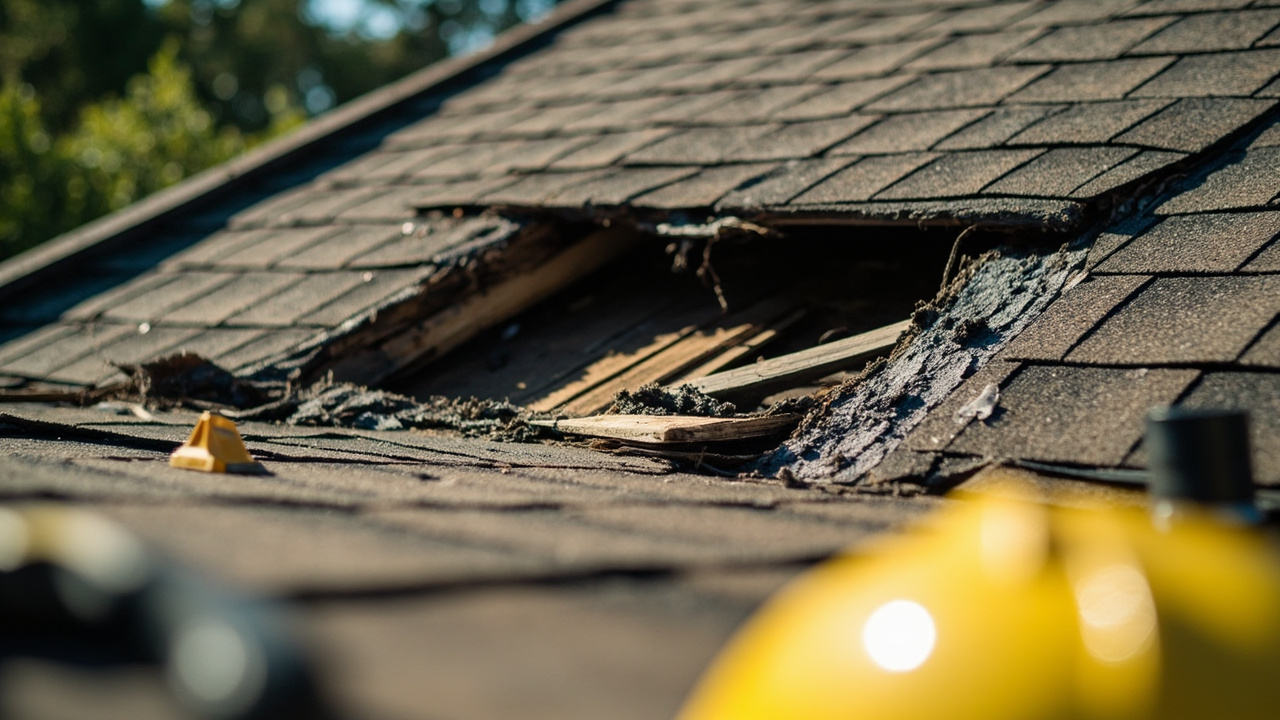
You walk outside and notice the roofline looks wrong. A dip in the ridge. Sections that no longer run straight. That sagging roof deck is not cosmetic. It signals structural compromise.

Hattiesburg's climate accelerates roof deck failure. The combination of high humidity, frequent afternoon thunderstorms, and prolonged heat creates ideal conditions for wood deterioration. When moisture penetrates past your shingles, it soaks into the plywood or OSB sheathing. The wood swells, weakens, and begins to sag under its own weight.

Bowed roof sheathing often starts at problem areas where water infiltration goes unnoticed. Failed flashing around chimneys, worn valleys, or compromised ridge vents allow water to pool on the decking. Over time, you will see roof decking deflection that increases with every rain event.

Dipping roof plywood becomes visible from the ground once the damage reaches advanced stages. You might notice warped roof decking along the eaves or sunken roof sections near penetrations. The pine and hardwood forests surrounding Hattiesburg mean termite pressure adds another variable. Insects target moisture-damaged wood, compounding the structural loss.

Inadequate rafter spacing in older Hattiesburg homes built before modern codes also contributes. When 24-inch rafter spacing combines with thin sheathing and moisture exposure, deflection accelerates. The deck cannot support the load.

This is not a wait-and-see situation. Each rainfall deposits more moisture into the compromised wood. The sag deepens. The structure weakens. You need to understand what happened and what fixes it before the decking fails completely.

What Causes Your Hattiesburg Roof Deck to Sag and Bow
How We Diagnose and Address Structural Roof Deck Failure

How We Diagnose and Address Structural Roof Deck Failure

We do not patch sagging decking and hope it holds. We identify the failure mode, address the moisture source, and restore structural integrity.

Our assessment starts in the attic. We examine the underside of the roof sheathing with moisture meters and visual inspection. We look for discoloration, delamination, and fastener pullout. We measure deflection against span tables. We identify whether the problem is isolated or systemic.

We trace the water intrusion path. Sagging roof decks do not happen without a moisture source. We inspect flashing terminations, valley liners, and penetration boots. We check for condensation patterns that indicate ventilation failure. We document shingle condition and underlayment breakdown.

Once we understand the cause, we determine the repair scope. Minor deflection in isolated areas may only require sister rafter reinforcement and localized sheathing replacement. Widespread bowing demands full decking removal and installation of properly rated plywood or OSB.

We specify sheathing thickness based on rafter spacing. For 16-inch centers, we install 15/32-inch minimum. For 24-inch spans, we use 19/32-inch or heavier. We never mix sheathing products within a roof plane. We stagger joints and leave expansion gaps per manufacturer specs.

We address the ventilation system simultaneously. Proper intake and exhaust prevent future moisture accumulation. We calculate net free area and install ridge vents or box vents to meet the 1:150 ratio requirement.

The new decking receives ice and water shield in valleys and at eaves. We install synthetic underlayment across the field. We fasten shingles per wind rating requirements for Hattiesburg's storm exposure.

You get a roof deck engineered to handle load and designed to shed water before it becomes a problem again.

What Happens During Your Roof Deck Repair

Sagging Roof Deck in Hattiesburg | Expert Diagnosis Before Your Structure Fails
01

Attic and Surface Inspection

We access your attic space and examine the sheathing from below while simultaneously inspecting the exterior surface. We measure moisture content, document deflection points, and photograph damage patterns. We identify the water entry location and assess whether rafters have suffered compression or rot. You receive a detailed explanation of what failed and why it happened in your specific roof assembly.
02

Decking Removal and Framing Repair

We remove compromised sheathing sections and expose the rafter structure. We inspect each rafter for water damage, insect activity, and structural integrity. Damaged rafters receive sistered reinforcement or full replacement. We verify rafter spacing and add blocking where required. The framing must meet current load requirements before new decking goes down. We never cover a compromised structure with new plywood.
03

New Decking and Weatherproofing

We install new plywood or OSB rated for your rafter span, fastening it per code with ring shank nails at proper spacing. We apply underlayment systems designed to handle Hattiesburg's rain intensity. We replace shingles to match your existing roof or complete a full replacement if the existing material has reached end of life. Your roof deck is now flat, properly supported, and protected from the moisture that caused the original failure.

Why Hattiesburg Homeowners Trust Us With Structural Roof Repairs

Roof deck repair is not entry-level work. It requires framing knowledge, an understanding of load paths, and the ability to integrate new materials into existing assemblies. We bring that expertise to every sagging roof deck project in Hattiesburg.

We understand the building stock in this area. Many homes in the Historic Neighborhood District and around the University of Southern Mississippi campus were built between 1920 and 1960. These structures often have dimensional lumber rafters, skip sheathing, or thin plywood that does not meet current standards. We know how to work within these assemblies without compromising the home's character or structural integrity.

We also understand Hattiesburg's weather patterns. The city averages over 59 inches of rain per year. That moisture drives rot, mold, and fastener corrosion. We account for this in our material selection and ventilation design. We do not install products that will fail in high-humidity environments.

Our crews recognize the difference between cosmetic sagging and structural failure. We do not upsell decking replacement when sister rafter reinforcement will suffice. We also do not minimize problems when full sheathing replacement is the only safe option. You get an honest assessment based on measurable deflection and documented moisture content.

We work with your insurance adjuster when storm damage contributes to roof deck failure. We provide detailed documentation, including photos, moisture readings, and span calculations. We help you understand what qualifies as sudden damage versus deferred maintenance.

You are hiring a team that understands the difference between a roofing crew and a structural repair specialist. We approach sagging roof decks as a framing problem first and a roofing problem second. That perspective protects your home.

What You Can Expect From Start to Finish

Inspection and Timeline

We schedule your inspection within 48 hours of your call. The assessment takes one to two hours depending on attic access and roof complexity. We provide a written report the same day that outlines the damage, explains the cause, and details the repair scope. Most roof deck repairs require two to four days of work depending on the affected area. Weather delays can extend the timeline, but we communicate schedule changes immediately. You will know when we start, what happens each day, and when your roof is complete.

Moisture Mapping and Structural Assessment

We use calibrated moisture meters to measure water content in your sheathing and rafters. We document readings above 19 percent, which indicates active moisture problems. We measure deflection with a straightedge and calculate whether it exceeds allowable limits for your span. We inspect fasteners for pullout and corrosion. We check for fungal growth and insect damage. You receive photos of problem areas with measurements annotated. We explain which damage is repairable and which requires replacement. This diagnostic process prevents surprises once the project starts.

Structural Integrity and Code Compliance

Your repaired roof deck will meet or exceed current building codes for sheathing thickness, fastener spacing, and load capacity. We install plywood or OSB rated for the specific rafter spacing in your home. We follow nailing schedules that prevent fastener overdriven or underdriven conditions. We ensure proper edge support and blocking at panel edges. The finished deck will be flat, rigid, and capable of supporting the dead load of roofing materials plus the live load of maintenance access and snow accumulation. You get a structure engineered for long-term performance.

Ventilation and Moisture Management

We address the ventilation deficiencies that contributed to your roof deck failure. We calculate the net free area required for your attic volume and install intake vents at the soffits and exhaust vents at the ridge or roof plane. We verify that insulation does not block soffit intake. We install baffles between rafters to maintain an air channel. Proper ventilation removes moisture-laden air before it condenses on the underside of your sheathing. This system protects your new decking from the conditions that destroyed the original material. You get a complete solution, not a temporary fix.

Frequently Asked Questions

You Have Questions,
We Have Answers

What should I know about this topic? +

A sagging roof deck is a structural problem where the wooden sheathing beneath your shingles bows or dips downward. This happens when the plywood or oriented strand board weakens from age, moisture damage, or inadequate support. You'll notice visible dips when looking at your roofline from the ground. The deck supports your entire roofing system, so sagging threatens your home's protection. Water infiltration often causes the wood to rot and lose strength. Without proper support from rafters or trusses, the deck sinks between framing members. Address this issue quickly to prevent roof collapse and interior damage.

What should I know about this topic? +

The primary causes include water damage from leaks, poor ventilation creating moisture buildup, inadequate structural support, and aging materials. When water penetrates your roof through damaged shingles or flashing, it saturates the deck below. This moisture causes wood rot and deterioration. Insufficient attic ventilation traps humidity, leading to condensation on the underside of your deck. Undersized or improperly spaced rafters fail to provide adequate support. Heavy snow loads and improper installation during original construction also contribute. Previous roof layers add excessive weight. Termite and pest damage weaken the wood structure over time.

What should I know about this topic? +

Look for visible dips or waves in your roofline when standing back from your home. Walk through your attic and inspect for sagging areas from below. Check for water stains on the underside of the deck. Press upward on the sheathing to test for soft spots or movement. Notice if your ceiling shows cracks or bowing. Watch for light coming through gaps between deck boards. Examine your roof after rain for areas where water pools instead of draining. Look at your home from multiple angles at different times of day when shadows make dips more visible.

What should I know about this topic? +

Ignoring a sagging deck leads to complete roof failure and collapse. Water damage spreads to rafters, insulation, and interior ceilings. Mold grows in damp wood, creating health hazards. Your shingles crack and fail prematurely due to uneven support. Ice dams form more easily in sagging areas. Structural damage extends to walls and foundations as water infiltrates deeper. Repair expenses multiply as deterioration spreads. Your home's value decreases significantly. Energy bills increase from compromised insulation. In severe cases, portions of your roof collapse into living spaces, creating dangerous situations and requiring emergency repairs.

What should I know about this topic? +

A professional roofing contractor examines your roof from ground level, looking for visible deformities in the roofline. They access your attic to inspect the deck from below, checking for rot, moisture, and structural integrity. Using moisture meters, they detect hidden water damage. They measure the spacing and condition of rafters and support beams. A contractor walks on your roof to feel for soft spots and weak areas. They remove sample shingles to directly inspect the deck material. Professional assessment includes checking ventilation systems and identifying the root cause of sagging to prevent future problems.

What should I know about this topic? +

Repair requires removing the affected roofing materials to access the damaged deck. Contractors tear off shingles, underlayment, and any deteriorated plywood or oriented strand board. They install new sheathing, ensuring proper thickness and attachment to rafters. Additional support beams or sistered rafters strengthen weak areas. New underlayment and shingles complete the repair. The process addresses underlying causes like poor ventilation or inadequate framing. Contractors inspect surrounding areas for hidden damage. Proper repair restores structural integrity and prevents future sagging. The work takes several days depending on the extent of damage and weather conditions.

What should I know about this topic? +

Minor sagging limited to small areas costs less than widespread damage requiring full deck replacement. The extent of water damage and rot determines material needs. Roof size and pitch affect labor requirements. Accessibility challenges increase expenses. Additional structural repairs to rafters or trusses add to the total. The type of decking material you choose impacts pricing. Geographic location and local labor rates vary significantly. Complete tear-off and replacement costs more than isolated repairs. Address problems early to minimize expenses. Get multiple detailed estimates from qualified contractors before proceeding with work.

What should I know about this topic? +

Choose a licensed roofing contractor with specific experience in structural repairs. Verify their credentials and check references from previous customers. Ask about their process for assessing and repairing sagging decks. Request a detailed written estimate breaking down materials and labor. Ensure they address underlying causes, not just visible symptoms. Confirm they use appropriate materials meeting local building codes. Check their approach to protecting your home during work. Ask about their timeline and crew size. Review their safety practices and equipment. Select contractors who provide clear communication and answer your questions thoroughly.

What should I know about this topic? +

Prevention starts with proper attic ventilation to control moisture and temperature. Install adequate ridge vents, soffit vents, and exhaust fans. Address roof leaks immediately when you spot them. Schedule regular roof inspections to catch problems early. Keep gutters clean to prevent water backup. Remove debris from your roof promptly. Ensure proper flashing around chimneys, vents, and valleys. Replace worn shingles before water penetrates to the deck. Monitor your attic for signs of moisture or condensation. Verify your roof has appropriate structural support for snow loads in your region.

What should I know about this topic? +

Minor sagging requires immediate professional assessment, even if it seems small. The problem worsens rapidly once started. Widespread sagging across multiple roof sections needs emergency attention. If you see interior ceiling damage or water stains, act immediately. Soft spots you feel when walking on your roof indicate serious problems. Light visible through your attic ceiling means gaps in the deck. Sagging accompanied by roof leaks requires urgent response. Schedule inspection within days of noticing any dip in your roofline. Delaying repairs increases danger and expenses significantly.

How Hattiesburg's Humidity and Storm Patterns Accelerate Roof Deck Deterioration

Hattiesburg sits in the Pine Belt region where humidity averages 75 percent year-round. This constant moisture exposure means roof sheathing never fully dries between rain events. When water penetrates past your shingles through failed flashing or damaged valleys, the plywood absorbs it quickly. The wood swells and loses structural rigidity. Afternoon thunderstorms between May and September deliver intense rainfall that overwhelms inadequate drainage systems, pooling water on low-slope sections and penetrations. This creates localized saturation zones where bowed roof sheathing and warped roof decking develop. The heat then accelerates fungal growth, breaking down the lignin that holds wood fibers together. Your roof deck weakens faster in Hattiesburg than in drier climates.

Hattiesburg enforces the International Residential Code with local amendments for wind speed and moisture management. We stay current on these requirements and apply them to every roof deck repair. Our familiarity with the permits process through the City of Hattiesburg Building Department ensures your project meets inspection standards the first time. We understand the common failure modes in local construction, from undersized sheathing in 1970s subdivisions to ventilation deficiencies in ranch-style homes near South Hattiesburg. That local knowledge means we anticipate problems before they delay your repair. You are working with contractors who know this city's building stock and climate challenges.

Where To Find Us

Elite Roofing Hattiesburg provides trusted, high-quality roofing services for homes and businesses across South Mississippi. We specialize in roof repair, replacement, and inspections using top-grade materials and skilled workmanship. Our local team delivers honest advice, fair pricing, and lasting results—protecting what matters most, your home.

Address:
Elite Roofing Hattiesburg, 7 Professional Pkwy, Hattiesburg, MS, 39402

Additional Services We Offer

Our news updates

Latest Articles & News from The Blogs

Lorem ipsum dolor sit amet. Aut expedita quaerat quo eligendi numquam et laudantium perspiciatis qui minima expedita rem consequatur ducimus.…

Test Blog 4

Lorem ipsum dolor sit amet. Aut expedita quaerat quo eligendi numquam et laudantium perspiciatis qui minima expedita rem consequatur ducimus.…

Test Blog 3

Lorem ipsum dolor sit amet. Aut expedita quaerat quo eligendi numquam et laudantium perspiciatis qui minima expedita rem consequatur ducimus.…

Test Blog 2

Lorem ipsum dolor sit amet. Aut expedita quaerat quo eligendi numquam et laudantium perspiciatis qui minima expedita rem consequatur ducimus.…