Menu

Chimney Flashing Repair in Hattiesburg | Stop Water Damage Before It Spreads Through Your Home

Expert chimney flashing repair that protects your Hattiesburg home from chronic leaks, attic water damage, and interior staining caused by failed seals around your chimney penetration.

Slider Image 1
Slider Image 2
Slider Image 3
Slider Image 4
Slider Image 5
Slider Image 7
Slider Image 8
Slider Image 9
Slider Image 10
Slider Image 11

Why Chimney Flashing Fails in Hattiesburg Homes

You notice water stains on your ceiling near the chimney. Maybe you see drips in the attic after a heavy rain. The problem is not your shingles. The problem is your chimney flashing.

Hattiesburg's climate creates the perfect conditions for flashing failure. We experience intense summer heat that bakes roof materials, followed by winter freezes that contract metal. That expansion and contraction cycle cracks sealant and loosens the metal flashing over time. Add in our frequent thunderstorms and the occasional tropical system, and water finds every gap in compromised flashing.

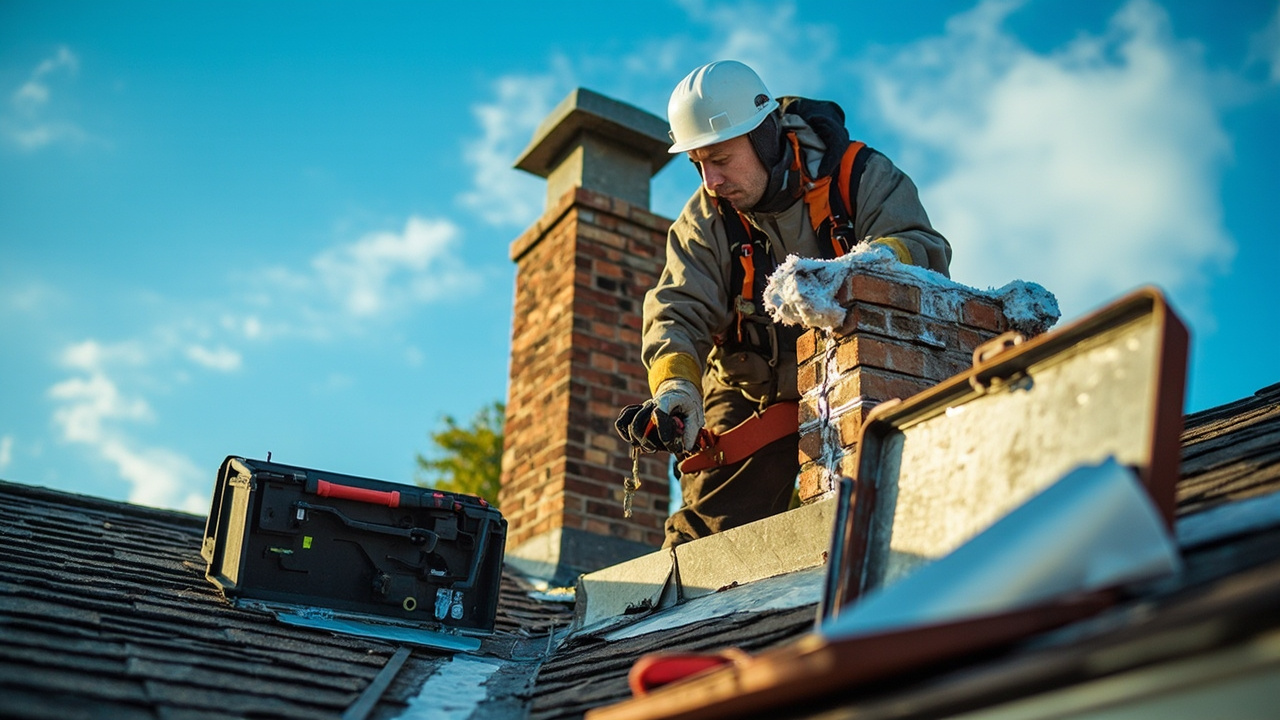
Chimney flashing is the waterproof barrier where your chimney meets your roof. It consists of step flashing along the sides, counter flashing embedded in the chimney masonry, and sometimes a cricket or saddle on the upslope side to divert water. When this system fails, water runs directly into your home. You will see it first in the attic, then on interior walls, and eventually in damaged framing.

Many Hattiesburg homes built in the 1970s and 1980s have original aluminum flashing that has reached the end of its service life. Homes near the University or in the historic Oaks district often have brick chimneys with mortar joints that deteriorate, allowing counter flashing to pull away. Once that gap opens, no amount of roof sealant from a hardware store will fix chimney flashing properly.

Patch chimney flashing efforts fail because the underlying metal is compromised. You need chimney flashing replacement or a complete reseal chimney flashing operation performed by someone who understands how water moves across a roof plane.

If you ignore a chimney flashing leak repair, you will face rotted roof decking, mold in your attic insulation, and structural damage to the chimney chase. The repair cost multiplies every month you wait.

Why Chimney Flashing Fails in Hattiesburg Homes
How We Fix Chimney Flashing the Right Way

How We Fix Chimney Flashing the Right Way

Most roofers slap tar around the base of the chimney and call it fixed. That lasts six months. We perform a complete chimney flashing repair that addresses the root cause, not the symptom.

We start by removing the shingles around the chimney perimeter to expose the existing flashing. We inspect the roof decking for water damage and replace any compromised sheathing. If the decking is soft or stained, we cut it out and install new plywood before proceeding.

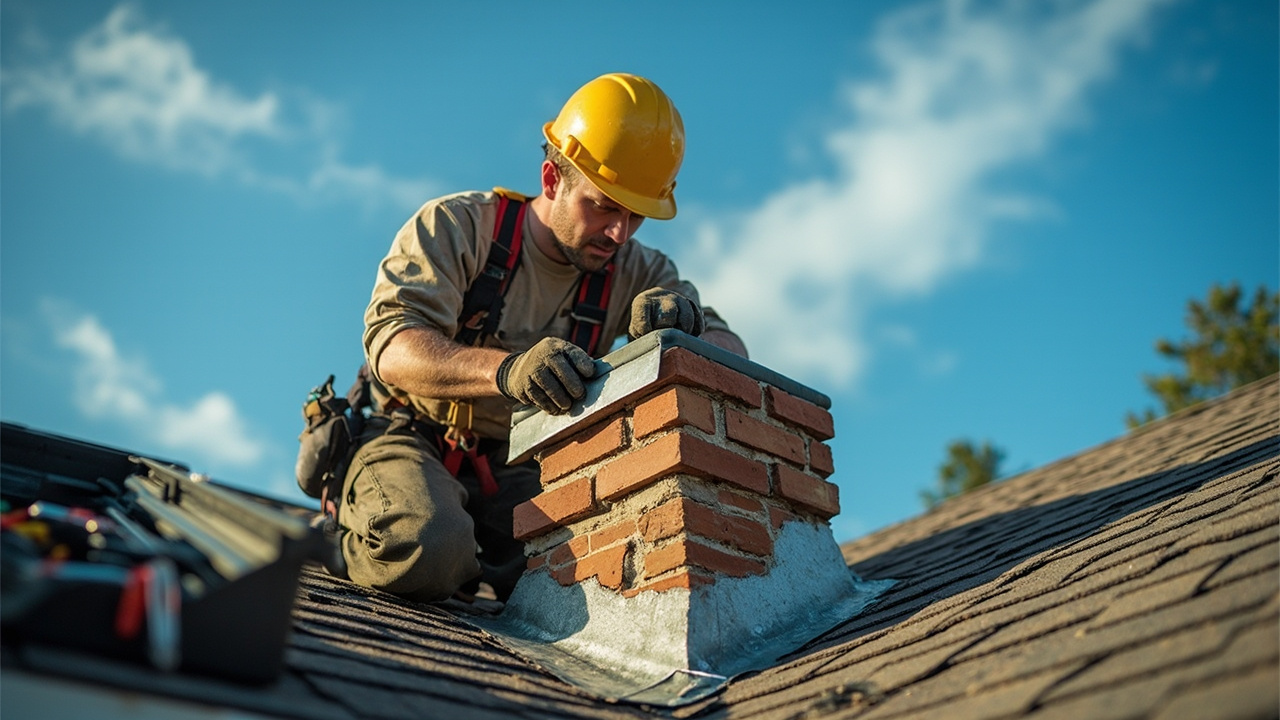
Next, we install new step flashing. This is L-shaped metal that weaves between each course of shingles along the chimney sides. Each piece overlaps the one below it, creating a shingled effect that channels water down and away. We use galvanized steel or copper, depending on your roof type and budget. Aluminum corrodes too quickly in our humid environment.

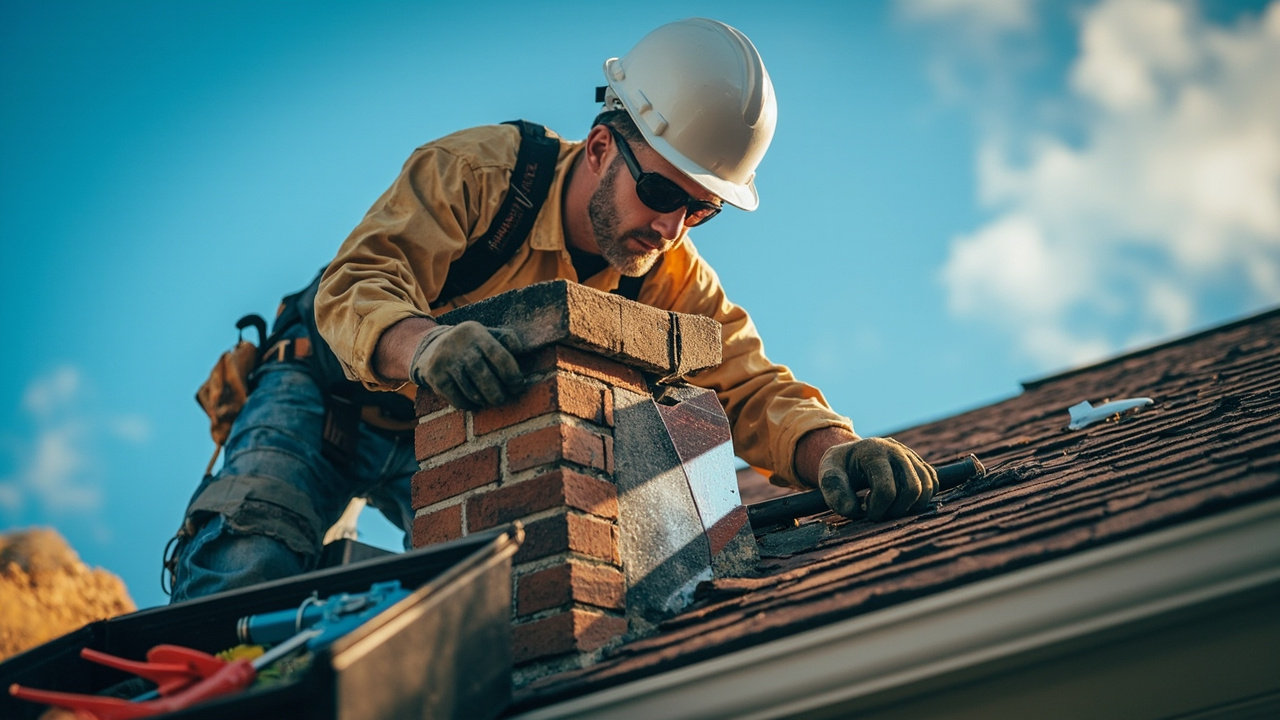
Counter flashing comes next. We cut reglets into the chimney mortar joints, slide the metal into the slots, and seal the joint with polyurethane or high-grade masonry sealant. This creates a two-part system where the counter flashing overlaps the step flashing, but they do not touch. Water that gets behind the counter flashing hits the step flashing and drains away.

For chimneys wider than 30 inches, we build a cricket on the upslope side. This is a small peaked structure that diverts water around the chimney instead of letting it pool. Without a cricket, debris accumulates, and water sits against the flashing until it finds a way through.

We finish by reinstalling shingles and sealing all nail penetrations. The goal is a system where water never touches the chimney-roof intersection. Every layer overlaps correctly, and gravity does the work.

This is not a quick fix chimney flashing job. It requires removing and replacing roofing materials, working with masonry, and understanding flashing mechanics. Shortcuts guarantee failure.

What Happens During Your Chimney Flashing Repair

Chimney Flashing Repair in Hattiesburg | Stop Water Damage Before It Spreads Through Your Home
01

Leak Source Identification

We inspect your attic, chimney exterior, and roof penetration to determine where water enters. Many homeowners assume the leak is directly above the stain, but water travels along rafters and sheathing. We use moisture meters and visual inspection to trace the exact entry point. We also check the chimney crown and mortar joints, as these often contribute to flashing failure. You get a clear diagnosis before any work begins.
02

Flashing System Rebuild

We remove old flashing, damaged shingles, and compromised decking. New step flashing is installed in sequence with your shingle courses. Counter flashing is cut into the chimney masonry and sealed with professional-grade sealant. If your chimney needs a cricket, we frame and flash it during this phase. This is the labor-intensive part of chimney flashing replacement. We work carefully to maintain your roof's water-shedding geometry and ensure every overlap is correct.
03

Final Integration and Testing

We reinstall shingles around the chimney, matching your existing roof as closely as possible. All nail heads are sealed, and we verify that the flashing remains flexible enough to handle thermal expansion. Before leaving, we perform a water test using a hose to simulate heavy rain. We inspect the attic during the test to confirm no moisture penetration. You see proof that the reseal chimney flashing work is complete and functional.

Why Hattiesburg Homeowners Trust Us for Flashing Repairs

Chimney flashing repair is not a specialty every roofer offers. Many subcontract the work or avoid it entirely because it requires masonry skills, precision metal work, and an understanding of building science. We have repaired flashing on everything from 1920s brick chimneys in the historic districts to modern prefab fireplaces in subdivisions near Oak Grove.

We know the common failure points in Hattiesburg homes. Older homes often have flashing that was never counter-flashed into the masonry. Instead, it was face-nailed to the brick and caulked. That caulk fails, and water pours in. Newer homes sometimes have step flashing that is too short or installed over the shingles instead of under them. Both are code violations, but they pass inspection if the inspector does not look closely.

We also understand how local weather affects flashing longevity. Homes near the Leaf River or Bouie River experience higher humidity, which accelerates metal corrosion. Homes with mature oak trees get more debris in roof valleys, which dams water and puts pressure on flashing seals. We account for these factors when selecting materials and designing the flashing profile.

When we cut reglets into your chimney, we do it correctly. Too deep, and you weaken the masonry. Too shallow, and the counter flashing pulls out. We use grinders with diamond blades and clean the slots before inserting metal. We do not rely on caulk to hold the flashing in place. The masonry holds it, and the sealant just blocks water.

You will not find us using roofing tar as a solution. Tar dries out, cracks, and traps moisture. It also looks terrible. We use metal and sealant designed for the application.

We also provide documentation. You get photos of the old flashing, the damaged decking, and the completed repair. If you are filing an insurance claim for storm damage, that documentation is critical.

What You Can Expect from Our Chimney Flashing Service

Repair Timeline and Scheduling

Most chimney flashing repairs take one to two days, depending on the extent of decking damage and whether a cricket is needed. We schedule work during dry weather windows to avoid exposing your roof to rain. If your leak is active and causing interior damage, we can tarp the area and prioritize your job. We do not leave your roof open overnight unless absolutely necessary. You will know the timeline before we start, and we communicate any delays caused by hidden damage or weather. Emergency patch chimney flashing repairs can be completed the same day to stop active water intrusion while we schedule the full repair.

Inspection and Damage Assessment

We perform a detailed inspection before quoting any work. This includes attic inspection, roof surface evaluation, and chimney masonry condition. We check for soft decking, mold growth, and compromised insulation. You get a written estimate that breaks down materials, labor, and any additional repairs needed. If your chimney crown is cracked or the mortar joints are failing, we identify that during the assessment. Many chimney flashing leak repair jobs uncover related issues that need attention to prevent future problems. We explain what is urgent and what can wait, so you can make informed decisions about your home.

Quality of Materials and Workmanship

We use galvanized steel or copper flashing, never aluminum. The metal is formed on-site to fit your chimney dimensions exactly. Counter flashing is cut and bent to match the brick coursing, ensuring a clean appearance and proper overlap with step flashing. Sealants are polyurethane-based or high-grade masonry sealant rated for UV exposure and temperature cycling. Shingles are replaced with the closest match to your existing roof. If we cannot match your shingles exactly, we explain the difference before proceeding. The finished chimney flashing replacement looks clean, functions correctly, and integrates seamlessly with your roof system.

Post-Repair Support and Maintenance

After completing your fix chimney flashing work, we walk you through what was done and what to watch for. We recommend annual roof inspections to catch sealant degradation or metal fatigue before it becomes a leak. Chimney flashing should be inspected after any major storm or hail event. If you experience a leak within the first year, we return to investigate at no charge. Proper flashing work lasts decades, but your chimney crown and masonry will require maintenance over time. We provide guidance on when to reseal joints and how to prevent water from entering the chimney from above. You also get our contact information for future roofing needs or questions.

Frequently Asked Questions

You Have Questions,
We Have Answers

How much does it cost to repair flashing around a chimney? +

Chimney flashing repair costs depend on damage extent and accessibility. Minor sealant fixes run lower, while step flashing replacement or counterflashing work costs more. Metal type matters: aluminum costs less than copper or stainless steel. Two-story homes or steep roof pitches increase labor. Most repairs fall into moderate range, but full reflashing with new metal and waterproofing costs more. Get a roof inspection first. Many leaks you think are flashing are actually crown damage or cracked masonry. A proper diagnosis saves money.

How to repair flashing on chimney? +

Proper chimney flashing repair requires removing damaged metal, not covering it. First, pull back the roofing shingles around the chimney base. Remove old step flashing and counterflashing. Install new step flashing, weaving each piece between shingle courses. Bend counterflashing into mortar joints or surface-mount with masonry anchors. Seal joints with polyurethane or roofing cement, not silicone. Reinstall shingles, ensuring proper overlap. DIY attempts often fail because flashing must move independently from the chimney as your home settles. This is why roofers see repeated leaks.

Does flex seal work on chimney flashing? +

Flex Seal does not work as a permanent chimney flashing repair. It cannot handle thermal expansion, UV degradation, or mechanical movement between the chimney and roof deck. You might stop a leak temporarily, but moisture will find another path within months. Flex Seal also prevents proper flashing replacement later because removal becomes destructive. Use it only as an emergency stop-gap until a roofer can install real counterflashing and step flashing. Proper repairs use metal that moves with the structure and sealants rated for UV and temperature cycling.

How much does it cost to replace chimney flashing? +

Complete chimney flashing replacement costs more than repairs because it involves removing roofing material around the chimney perimeter. Your roofer strips back shingles, installs new step flashing on all four sides, cuts or repoints mortar joints for counterflashing, and reinstalls shingles. Material choice drives cost: galvanized steel is budget-friendly, copper lasts 50 years but costs significantly more. Brick chimneys on steep roofs or multi-story homes increase labor. Include crown repair or waterproofing if needed. Replacing flashing during a full roof replacement is more cost-effective than standalone work.

How Hattiesburg's Humidity and Storm Cycles Accelerate Chimney Flashing Failure

Hattiesburg sits in the Pine Belt, where humidity averages above 70 percent year-round. That constant moisture accelerates corrosion in aluminum and galvanized flashing, particularly where dissimilar metals contact each other or where sealant traps water against metal surfaces. Combine that with our summer heat, which softens asphalt sealants, and you create the perfect environment for flashing failure. Tropical storms and severe thunderstorms compound the problem by driving wind-blown rain horizontally under shingles and into any gaps in the flashing system. Homes near the Longleaf Trace or in the Turkey Creek watershed see even more moisture exposure, which shortens flashing lifespan. Chimney flashing replacement in Hattiesburg is not a luxury, it is a maintenance requirement dictated by our climate.

We have worked on roofs across Hattiesburg, from the historic homes near the Saenger Theater to newer subdivisions off Highway 49. That experience gives us insight into how local building practices and architectural styles affect flashing performance. Older brick chimneys in the Oaks or Downtown often lack proper counter flashing because it was not standard practice decades ago. Newer homes sometimes have prefab metal chimneys with flashing boots that deteriorate faster than traditional step flashing systems. We understand these local variations and adapt our repair approach accordingly. When you hire a local contractor for chimney flashing leak repair, you get someone who has seen your exact problem before and knows how to fix it permanently, not just patch it until the next storm.

Where To Find Us

Elite Roofing Hattiesburg provides trusted, high-quality roofing services for homes and businesses across South Mississippi. We specialize in roof repair, replacement, and inspections using top-grade materials and skilled workmanship. Our local team delivers honest advice, fair pricing, and lasting results—protecting what matters most, your home.

Address:
Elite Roofing Hattiesburg, 7 Professional Pkwy, Hattiesburg, MS, 39402

Additional Services We Offer

Our news updates

Latest Articles & News from The Blogs

Lorem ipsum dolor sit amet. Aut expedita quaerat quo eligendi numquam et laudantium perspiciatis qui minima expedita rem consequatur ducimus.…

Test Blog 4

Lorem ipsum dolor sit amet. Aut expedita quaerat quo eligendi numquam et laudantium perspiciatis qui minima expedita rem consequatur ducimus.…

Test Blog 3

Lorem ipsum dolor sit amet. Aut expedita quaerat quo eligendi numquam et laudantium perspiciatis qui minima expedita rem consequatur ducimus.…

Test Blog 2

Lorem ipsum dolor sit amet. Aut expedita quaerat quo eligendi numquam et laudantium perspiciatis qui minima expedita rem consequatur ducimus.…