Menu

Roof Cricket Drainage Issues in Hattiesburg – Expert Diagnosis Stops Water Damage Before It Destroys Your Roof Deck

When water pools around your chimney or roof penetrations, you need immediate professional assessment to prevent structural rot, ceiling leaks, and costly interior damage across your Hattiesburg property.

Slider Image 1
Slider Image 2
Slider Image 3
Slider Image 4
Slider Image 5
Slider Image 7
Slider Image 8
Slider Image 9
Slider Image 10
Slider Image 11

Why Water Pools Around Your Chimney and What It Means for Hattiesburg Homes

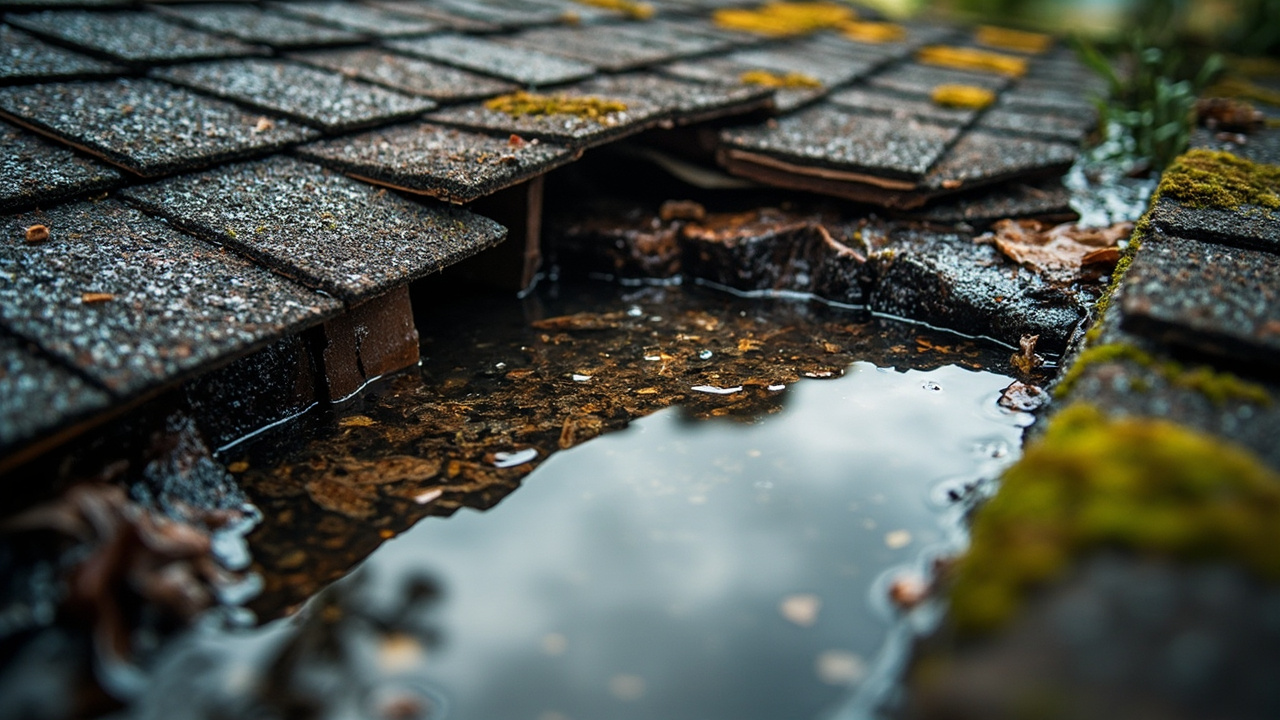
You notice water sitting on your roof behind the chimney. After rain, it takes days to dry. Sometimes you see stains on your ceiling near the fireplace or smell that musty odor in your attic. These are signs of roof cricket drainage problems, and they are more common in Hattiesburg than most homeowners realize.

The humid subtropical climate here delivers over 56 inches of rain annually. When a roof lacks proper crickets or saddles, that water has nowhere to go. It sits. It seeps. It destroys.

A roof cricket is a peaked structure built on the upslope side of your chimney. It diverts water around the obstruction instead of letting it pool. When installed incorrectly or deteriorated over time, you get chimney saddle leaks. Standing water creates roof cricket water ponding that breaks down shingles, flashing, and eventually the roof deck itself.

Hattiesburg's frequent afternoon thunderstorms and seasonal tropical systems make these vulnerabilities worse. Water that might evaporate in drier climates stays trapped here. Clay soils common in Forrest County compound foundation issues, but up top, your roof bears the brunt of drainage failures.

Chimney diverter drainage problems often start small. A little discoloration. A small drip during heavy rain. Then one day you are looking at rotted framing, mold growth, and interior water damage that costs thousands to repair.

Improper cricket slope is the hidden culprit. Even a cricket that looks fine may have been built too flat. Water needs a minimum slope to shed properly. Without it, roof saddle standing water becomes a permanent problem.

You are not imagining it. The problem is real, and it will get worse.

Why Water Pools Around Your Chimney and What It Means for Hattiesburg Homes
How We Diagnose and Correct Cricket Drainage Failures

How We Diagnose and Correct Cricket Drainage Failures

Most roofers patch the symptoms. We fix the geometry.

Roof cricket drainage issues require structural correction, not cosmetic Band-Aids. Our assessment starts with measuring actual water flow patterns during and after rain events. We use laser levels to verify cricket slope angles. We document flashing integration points where metal meets masonry. We probe decking around the chimney base to map any existing rot.

The diagnostic process reveals whether your cricket was never built correctly or has degraded over time. Many older homes in the Historic Neighborhood District and around the University of Southern Mississippi campus lack crickets entirely. Builders skipped them to save time. Now, decades later, you pay for that shortcut.

When we rebuild a cricket, we follow the minimum slope requirements in the International Building Code. That means at least a 4-in-12 pitch to ensure positive drainage. We frame the structure with pressure-treated lumber to resist moisture. We install Ice and Water Shield membrane underneath the shingles to create a secondary barrier. We integrate counterflashing that ties into the chimney mortar joints, not just surface-mounted flashing that peels away.

Chimney saddle leaks often trace back to failed step flashing or missing crickets. We replace both as a system. Water must flow over the cricket peak, down both sides, and into the roof valley or gutter line without ever touching the chimney base.

For commercial flat roofs common in the downtown corridor, we install tapered insulation crickets that create slope on an otherwise flat membrane. Standing water on TPO or EPDM roofs shortens membrane life and voids warranties.

We test drainage after installation. We flood the area with a hose to verify flow paths. No assumptions. No guesswork.

What Happens During a Cricket Drainage Repair

Roof Cricket Drainage Issues in Hattiesburg – Expert Diagnosis Stops Water Damage Before It Destroys Your Roof Deck
01

Roof and Attic Inspection

We start by examining your roof from above and your attic from below. We look for water stains, soft decking, and compromised insulation around the chimney. We measure the existing cricket dimensions and slope. We photograph flashing conditions and document any standing water areas. This establishes the scope of structural damage and determines whether decking replacement is necessary before rebuilding the cricket.
02

Cricket Rebuild and Flashing

We remove deteriorated shingles and flashing around the chimney. If decking is rotted, we replace those sections with CDX plywood. We frame a new cricket structure with the correct slope, then install underlayment and waterproof membrane. We tie step flashing into the shingle courses on both sides of the chimney. We seal all penetrations and transitions with roofing mastic rated for high humidity environments like ours.
03

Final Shingle and Testing

We match your existing shingle type and color, installing them over the rebuilt cricket with proper overlap and fastener placement. We apply counterflashing that locks into the chimney mortar joints and covers the step flashing below. Before we leave, we run water over the cricket to confirm positive drainage. You get photos of the completed work and a written summary of what we replaced and why.

Why Hattiesburg Property Owners Trust Us With Complex Drainage Repairs

Roof cricket failures are not beginner-level repairs. They require carpentry skills, roofing knowledge, and an understanding of how water behaves on sloped surfaces. You need a crew that has rebuilt dozens of these structures and knows the difference between a code-compliant cricket and a cosmetic bump.

We work throughout Hattiesburg, from the older homes near Downtown to the newer subdivisions in West Hattiesburg and the commercial buildings along Hardy Street. We understand the mix of architectural styles here. Ranch homes with low-pitch roofs. Two-story colonials with steep gables. Mid-century brick homes with massive chimneys.

Each requires a different approach. A cricket on a 4-in-12 ranch roof needs more width than one on a 12-in-12 Victorian. A commercial building with a flat roof needs a tapered insulation system, not a framed wood structure.

We also understand the local building department's expectations. Forrest County inspectors know what proper flashing looks like. They know the difference between a quick patch and a structural fix. We pull permits when required and schedule inspections so your repair meets code.

Our crews have seen every failure mode. Crickets with no slope. Crickets with rotted framing. Crickets that were never tied into the roof structure and just sat on top of shingles. We have repaired drainage issues on churches, schools, and historic buildings where preserving the roofline matters.

You get a crew that shows up on time, completes the work without shortcuts, and cleans up before they leave. We do not stretch a one-day job into three. We do not leave tarps flapping on your roof for weeks.

We fix it right the first time.

What to Expect During Your Cricket Drainage Repair

Response Time and Scheduling

We schedule inspections within 48 hours of your call. Most cricket repairs take one to two days depending on the extent of decking damage and whether we need to rebuild framing. We coordinate around weather windows because we expose your roof deck during the repair. If rain is forecast, we tarp and reschedule rather than rush through the work. Emergency tarping is available if you have active leaks and need immediate protection before we can complete the full repair.

Detailed Damage Assessment

During the initial inspection, we map the extent of water damage. We probe the roof deck with an awl to find soft spots. We enter your attic to check insulation, framing, and ceiling joists. We take moisture readings if you have suspected leaks. You get a written report that explains what failed, why water pooled, and what we need to rebuild. We include photos so you can see exactly what we found. If insurance is involved, we document everything for your claim.

Quality of Completed Work

You get a structurally sound cricket built to code with proper slope, integrated flashing, and shingles that match your existing roof. We do not leave mismatched patches or visible seams. The repair blends with your roofline. We replace any damaged decking with new plywood, not particle board or OSB that degrades in moisture. All flashing is metal, not tar or caulk. All fasteners are galvanized or stainless. The work looks professional because it is professional.

Post-Repair Follow-Up

After completion, we provide a summary of the work performed and materials used. We explain how to monitor the repair during future rain events. If you notice any issues in the first year, we return to assess and correct them at no charge for labor. We do not provide lifetime warranties because roofing is subject to weather and age, but we stand behind our workmanship. You also get maintenance recommendations for your entire roof, not just the cricket area.

Frequently Asked Questions

You Have Questions,
We Have Answers

What problems do roof crickets solve? +

Roof crickets prevent water pooling behind chimneys, HVAC units, and other roof penetrations. Without a cricket, water backs up, seeps under flashing, and causes leaks into your attic or walls. The peaked structure diverts water around the obstruction toward gutters or scuppers. Crickets are required by building code in many jurisdictions when a chimney width exceeds 30 inches. They stop ice damming in freeze-thaw climates and reduce standing water that accelerates shingle deterioration. If you see water stains on your ceiling near a chimney, a missing or improperly built cricket is the likely cause.

How to get rid of a cricket in the roof? +

This question confuses insect crickets with roofing crickets. A roof cricket is a peaked structure that channels water, not an animal. If you hear chirping in your attic, you have an insect problem, not a drainage issue. Seal entry points around vents, ridge caps, and soffit gaps. Remove the insects with traps or call pest control. If you meant drainage crickets causing leaks, contact a roofer to inspect flashing and water diversion. The two issues are unrelated. One is pest control, the other is structural waterproofing.

How much does it cost to replace a roof drain? +

Replacing a roof drain costs between $300 and $1,200 depending on drain type, accessibility, and membrane repair required. Commercial flat roofs with cast iron drains run higher than residential scupper replacements. You pay for the drain fixture, flashing modifications, and sealing the roof membrane around the new unit. If the drain clog caused water damage to the roof deck or insulation, costs increase. Emergency replacements after a backup cost more than scheduled maintenance. Get multiple quotes and confirm the roofer will test the drain slope and flow rate after installation.

What is a drainage cricket? +

A drainage cricket is a peaked, triangular structure built on a flat or low-slope roof to divert water around obstructions like chimneys, skylights, or rooftop units. It prevents water from pooling on the upslope side of the penetration, where it can infiltrate under flashing and cause leaks. Crickets are typically framed with wood or metal, then covered with the same roofing material as the main surface. Proper cricket design includes a slope steep enough to shed water quickly, usually matching or exceeding the main roof pitch. They are a code requirement for large chimneys.

Does rooftop cricket damage roofs? +

Rooftop crickets do not damage roofs when properly installed. They protect your roof by preventing water accumulation and ice dams. Poor cricket construction causes problems. If the cricket slope is too shallow, water pools. If flashing integration is sloppy, leaks develop at seams. Crickets built with untreated lumber rot over time, creating voids that trap moisture. Improperly fastened crickets lift during high winds, tearing membrane or shingles. A well-built cricket extends roof lifespan by eliminating the number one enemy of roofing systems: standing water. The issue is always installation quality, not the cricket itself.

How to fix a cricket infestation? +

This question confuses insect crickets with roofing structures. If you have a cricket infestation in your home, reduce moisture, seal cracks around foundations and vents, remove clutter in basements or attics, and use sticky traps or bait stations. For persistent problems, call an exterminator. If you meant fixing a roofing cricket that is failing and causing leaks, contact a licensed roofer. They will rebuild the cricket frame, replace rotted wood, install new flashing, and reseal all penetrations. The two problems require different professionals: pest control or roofing contractor.

What kills crickets instantly? +

This question is about insect control, not roofing. Diatomaceous earth, boric acid, and commercial cricket sprays kill insects quickly. Soapy water sprayed directly on crickets suffocates them. Sticky traps catch them overnight. If you hear chirping in your roof or attic, the real fix is sealing entry points and removing food sources. For roofing crickets, nothing kills them because they are wooden or metal structures. If a roofing cricket is failing and causing leaks, you need a roofer to rebuild it, not an exterminator. Clarify whether you have an insect or drainage issue.

What time of year are crickets most active? +

Insect crickets are most active in late summer and early fall when they seek shelter indoors before winter. Males chirp to attract mates, which is why you hear them at night. Warm, humid conditions increase activity. If your question is about roofing crickets, they are structural components that function year-round. However, drainage problems from failed crickets worsen during heavy rain seasons or spring snowmelt when water volume is highest. Ice damming around poorly built crickets peaks during freeze-thaw cycles in winter. Schedule roof inspections in spring or fall to catch cricket damage before leak season.

How long will a cricket live in the house? +

An insect cricket can live indoors for several weeks if it finds moisture and food like crumbs, paper, or fabric. They hide in dark spaces like basements, attics, or behind appliances. Without food or water, they die within a week. To speed up removal, eliminate moisture sources, vacuum regularly, and set traps. If you meant a roofing cricket, it is a permanent structure that lasts the life of your roof when properly maintained. A failing roofing cricket causes leaks until you repair it. The two have nothing in common beyond the name.

How often should roof drains be cleaned? +

Clean roof drains at least twice a year: once in spring after pollen and seed drop, and once in fall after leaves accumulate. Commercial flat roofs with heavy HVAC traffic need quarterly cleanings. If your building has overhanging trees, clean drains every two to three months. Clogged drains cause ponding water, membrane deterioration, and interior leaks. During cleaning, inspect the drain strainer, remove debris from the sump, and flush the downspout. If water drains slowly after cleaning, the line may have a blockage or improper slope that requires professional correction.

How Hattiesburg's Rain Patterns Make Cricket Drainage Critical for Roof Longevity

Hattiesburg sits in the Pine Belt region where afternoon thunderstorms dump two to three inches of rain in under an hour during summer months. That volume overwhelms poorly designed roof drainage. When a cricket has improper slope or is missing entirely, water backs up behind the chimney faster than it can evaporate. The humidity here keeps that moisture trapped for days. Shingles stay wet. Flashing corrodes. Wood decking swells and rots. Homes built in the 1960s and 1970s, common in the Saratoga and Beverly Hills neighborhoods, often lack crickets because builders prioritized speed over long-term performance. Those roofs are failing now.

We work with local insurance adjusters who understand that cricket failures are structural defects, not wear and tear. When wind-driven rain from tropical systems exposes these vulnerabilities, we document the damage properly so your claim has the best chance of approval. Our crews are familiar with the building standards Forrest County enforces and the expectations of local inspectors. We pull permits when required and coordinate inspections so your repair meets code. Choosing a local contractor means you get someone who understands how roofs perform in this climate and who will be here next year if you need follow-up service.

Where To Find Us

Elite Roofing Hattiesburg provides trusted, high-quality roofing services for homes and businesses across South Mississippi. We specialize in roof repair, replacement, and inspections using top-grade materials and skilled workmanship. Our local team delivers honest advice, fair pricing, and lasting results—protecting what matters most, your home.

Address:
Elite Roofing Hattiesburg, 7 Professional Pkwy, Hattiesburg, MS, 39402

Additional Services We Offer

Our news updates

Latest Articles & News from The Blogs

Lorem ipsum dolor sit amet. Aut expedita quaerat quo eligendi numquam et laudantium perspiciatis qui minima expedita rem consequatur ducimus.…

Test Blog 4

Lorem ipsum dolor sit amet. Aut expedita quaerat quo eligendi numquam et laudantium perspiciatis qui minima expedita rem consequatur ducimus.…

Test Blog 3

Lorem ipsum dolor sit amet. Aut expedita quaerat quo eligendi numquam et laudantium perspiciatis qui minima expedita rem consequatur ducimus.…

Test Blog 2

Lorem ipsum dolor sit amet. Aut expedita quaerat quo eligendi numquam et laudantium perspiciatis qui minima expedita rem consequatur ducimus.…