Menu

Metal Roofing Services in Hattiesburg | Engineered for Hurricane Winds and Southern Humidity

Standing Seam, Corrugated, and Stone-Coated Metal Roofing Systems Built to Withstand Hattiesburg's Storm Season and High Moisture Exposure

Slider Image 1
Slider Image 2
Slider Image 3
Slider Image 4
Slider Image 5
Slider Image 7
Slider Image 8
Slider Image 9
Slider Image 10
Slider Image 11

Why Metal Roofing Makes Sense in Hattiesburg's Coastal Plain Climate

Hattiesburg sits 70 miles inland from the Gulf Coast, far enough to avoid direct storm surge but close enough to face sustained hurricane-force winds, torrential rain, and brutal humidity levels that average above 70 percent year-round. Asphalt shingles degrade fast in this environment. Moisture penetrates the underlayment. Algae spreads across ridge lines. Wind uplift tears tabs loose during severe weather events.

Metal roofing systems eliminate these vulnerabilities. Interlocking panels resist wind speeds over 140 mph when properly fastened to the deck. The non-porous surface sheds water instantly, preventing the slow rot that destroys wood decking beneath traditional shingles. Metal does not absorb moisture, so mold and algae cannot establish colonies on the surface. In a region where summer temperatures push rooftop surface temps past 160 degrees, metal reflects solar radiation instead of absorbing it, reducing attic heat gain by 20 to 30 percent.

Metal roofing contractors in Hattiesburg work with standing seam systems, corrugated panels, and stone-coated steel designed specifically for the Gulf South. Metal roof installation requires precise fastener placement, thermal expansion calculations, and proper flashing details around chimneys, skylights, and penetrations. Metal roofing companies that understand local building codes know that attachment methods must meet the 130 mph wind zone requirements outlined in the Mississippi Residential Code. Metal roof installers who skip the underlayment or use exposed fasteners create long-term leak points. Metal roofing specialists evaluate your existing deck structure, ventilation system, and attic insulation before recommending a panel profile, because a poorly ventilated metal roof will condensate from the underside during temperature swings.

Why Metal Roofing Makes Sense in Hattiesburg's Coastal Plain Climate
How We Install Metal Roofing Systems Built for Longevity

How We Install Metal Roofing Systems Built for Longevity

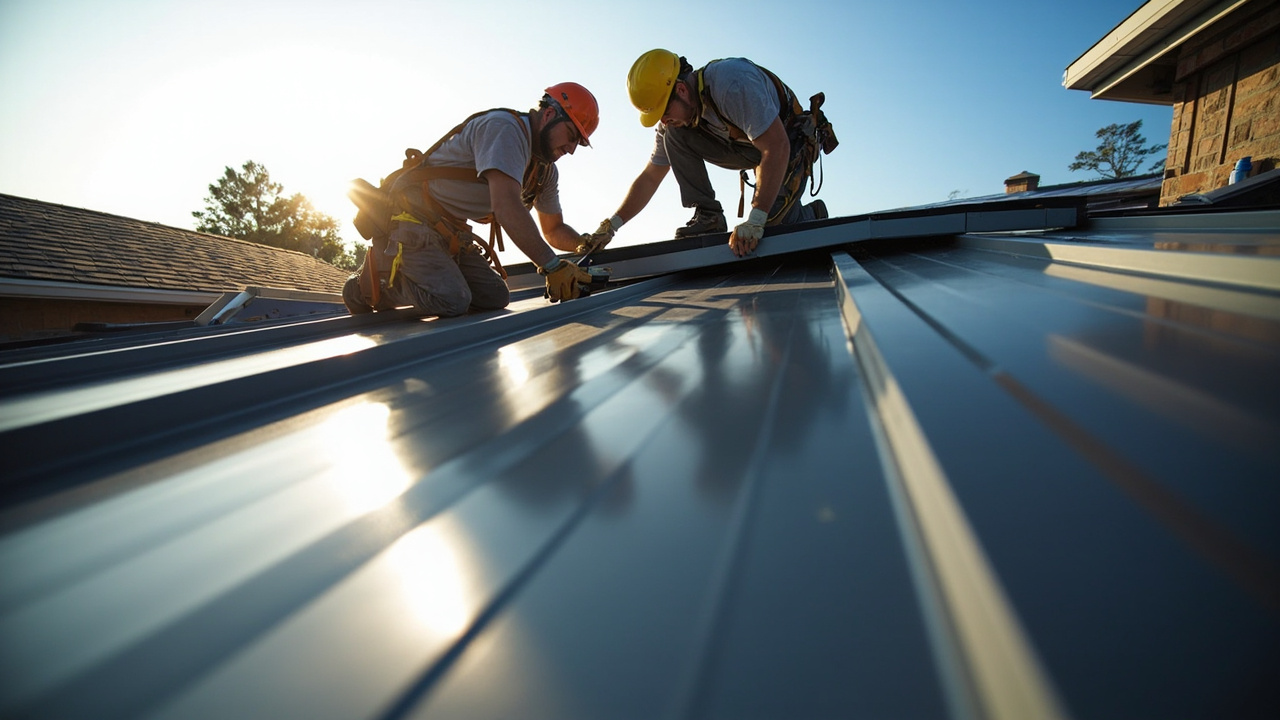
Metal roofing installation is not a tear-off-and-nail process. We start with a full deck inspection, identifying any damaged sheathing, inadequate fastening, or insufficient rafter spacing. Metal panels transfer load differently than shingles. If your existing deck has soft spots, sagging sections, or wide plank spacing, we replace or reinforce those areas before any panel goes down.

Next comes the underlayment layer. We use high-temperature synthetic underlayment rated for metal applications, not standard felt paper. Metal roofs can reach surface temperatures that degrade cheap underlayment within five years. The synthetic material we install resists UV exposure, tears, and moisture penetration. We overlap seams by six inches and seal all edges to create a secondary water barrier.

Flashing installation happens before panel installation. We fabricate custom Z-flashing for eave edges, step flashing for sidewalls, and cricket flashing for chimney upslope diverters. Pre-formed flashing kits do not fit the specific angles and penetrations on your roof. Custom metalwork ensures water cannot migrate behind the panels during wind-driven rain events.

Panel installation follows a strict fastener schedule. Standing seam systems use concealed clips that allow thermal expansion and contraction without stressing the panel. Exposed fastener systems require neoprene washers and precise torque settings to prevent over-compression or under-sealing. We measure thermal expansion coefficients for your specific panel length and install expansion joints where needed. Ridge caps, hip caps, and rake trim receive the same attention to detail. Every seam is overlapped in the direction of prevailing wind flow to prevent water intrusion during storms.

What Happens During Your Metal Roof Installation

Metal Roofing Services in Hattiesburg | Engineered for Hurricane Winds and Southern Humidity
01

Structural Assessment and Deck Prep

We inspect your roof deck from inside the attic and outside on the surface, checking for rot, inadequate fastening, or structural deflection. Metal panels require solid attachment points. We replace damaged sheathing, reinforce rafter connections, and verify that your deck meets load requirements for the specific metal system you selected. We also evaluate attic ventilation to prevent condensation buildup on the underside of the new metal panels.
02

Underlayment and Flashing Installation

High-temperature synthetic underlayment goes down first, sealed at all seams and edges. We fabricate custom flashing for every transition, penetration, and valley. Eave drip edge, sidewall Z-flashing, chimney crickets, and skylight pans are measured and bent on-site to fit your exact roof geometry. This step prevents 90 percent of future leak issues. Generic flashing does not work on complex roof lines common in Hattiesburg's older neighborhoods.
03

Panel Installation and Trim Finishing

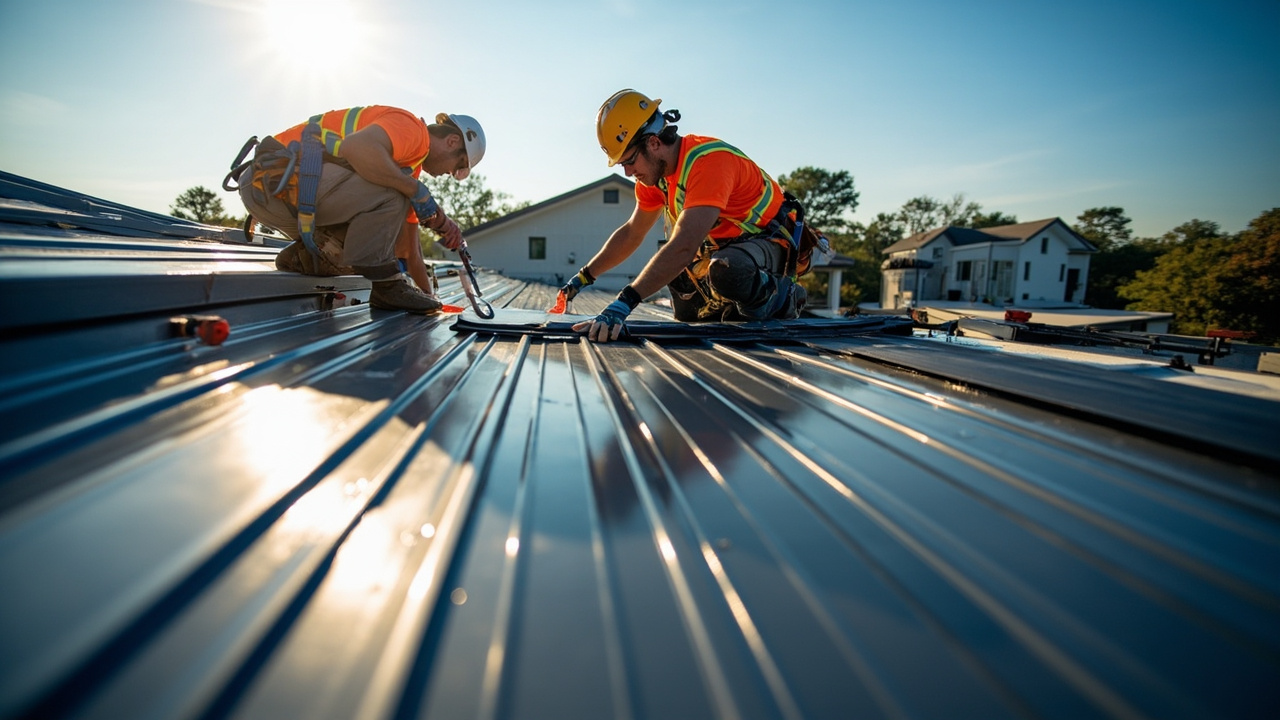
Panels are installed from eave to ridge, fastened according to manufacturer specifications and local wind load requirements. Standing seam systems use concealed clips. Exposed fastener panels receive neoprene-sealed screws torqued to prevent leaks or panel distortion. Ridge caps, hip caps, and rake trim are installed with overlapping seams oriented away from prevailing wind direction. We perform a final inspection of every fastener, seam, and transition before cleanup.

Why Local Expertise Matters for Metal Roofing in Hattiesburg

Metal roofing installation in Hattiesburg requires familiarity with the Mississippi Residential Code and the International Building Code wind zone map. This area falls under 130 mph wind speed requirements, which dictate fastener spacing, edge attachment methods, and uplift resistance calculations. Metal roofing companies that operate across multiple states often apply generic installation standards that do not meet local code. You will not know the installation is deficient until the next severe weather event pulls panels loose or allows water intrusion at improperly sealed seams.

We work in Hattiesburg full-time. We understand that homes near the University of Southern Mississippi and in the Historic Neighborhood District feature steep roof pitches, multiple valleys, and ornamental trim details that require custom flashing. We know that properties along the Leaf River face higher humidity exposure and need ventilation designs that account for moisture-laden air rising from the water. We recognize that older homes in the Parkhaven and Oakland neighborhoods often have skip sheathing or wide plank decking that must be reinforced before metal panels can be installed safely.

Local building inspectors know our work. We pull permits, schedule inspections, and provide documentation that satisfies municipal requirements. Out-of-town contractors often skip permits or provide incomplete documentation, leaving you liable if the installation fails inspection or causes insurance claim denial after storm damage.

Metal roofing systems last 40 to 60 years when installed correctly. Incorrect fastener placement, inadequate flashing, or improper thermal expansion allowances create failure points within the first decade. We use panel profiles and finishes that match Hattiesburg's architectural styles, from standing seam systems on modern builds to stone-coated steel that mimics traditional shingle profiles on historic homes. You get a roof that performs and fits the neighborhood context.

What to Expect from Your Metal Roofing Project

Project Timeline and Installation Schedule

Most metal roofing installations take three to seven days, depending on roof complexity, square footage, and weather conditions. Simple gable roofs with minimal penetrations move faster. Complex hip roofs with multiple valleys, dormers, or skylights require additional time for custom flashing fabrication and panel cutting. We provide a detailed timeline during the initial consultation, breaking down tear-off, deck prep, underlayment installation, and panel installation phases. We schedule work around weather forecasts to avoid leaving your deck exposed during rain events. If unexpected structural issues emerge during tear-off, we document the findings, explain the required repairs, and adjust the timeline accordingly.

Initial Inspection and System Recommendation

We start with a roof surface inspection and attic examination, measuring pitch, identifying penetrations, and evaluating deck condition. We check for adequate ventilation, proper insulation, and existing leak damage. You receive a written assessment that outlines any structural concerns, ventilation deficiencies, or code compliance issues. We recommend specific metal panel profiles based on your roof geometry, architectural style, and performance priorities. Standing seam systems offer superior wind resistance and concealed fasteners. Stone-coated steel provides a traditional appearance with metal durability. Corrugated panels work well for outbuildings and agricultural structures. We explain the differences in thermal expansion, noise transmission, and maintenance requirements so you can make an informed decision.

The Finished Installation and Performance Standards

Your completed metal roof will meet or exceed Mississippi Residential Code wind load requirements, with fasteners placed according to manufacturer specifications and local building standards. All flashing transitions will be sealed and overlapped to prevent water intrusion during wind-driven rain. Panel seams will align uniformly, with consistent reveal spacing and straight ridge lines. We clean up all debris, including old shingles, underlayment, and fasteners. You receive documentation that includes panel manufacturer information, warranty details, and care instructions. The installation will pass municipal inspection on the first attempt. You will notice immediate improvements in attic temperature, with reduced heat gain during summer months and better thermal performance during winter.

Warranty Coverage and Long-Term Maintenance

Metal roofing systems carry manufacturer warranties that cover panel finish, substrate integrity, and perforation resistance. Warranty terms vary by panel type and finish, ranging from 30 to 50 years for paint systems and substrate coverage. Installation workmanship is covered separately, addressing fastener failure, flashing leaks, and seam separation. Metal roofs require minimal maintenance compared to asphalt shingles, but you should inspect fasteners and flashing annually, especially after severe weather events. Check for loose fasteners, damaged neoprene washers, or displaced trim. Remove debris from valleys and gutters to prevent standing water. We offer inspection services and minor repairs to address wear points before they become leak sources.

Frequently Asked Questions

You Have Questions,
We Have Answers

What is the biggest problem with metal roofs? +

The most common issue with metal roofs is improper installation, especially at the fastener points and panel seams. If screws penetrate at the wrong angle or overtighten, they create leak pathways. Thermal expansion and contraction can also loosen fasteners over time. Another frequent problem is exposed fastener systems that wear faster than standing seam profiles. Poor flashing details around chimneys, vents, and valleys cause most leak calls. Metal roofs perform well when installed by trained crews who understand panel overlap, proper sealant application, and how to account for substrate movement.

What is the 25% rule for roofing? +

The 25% rule states that if more than 25% of your roof surface requires repair or replacement, you should replace the entire roof rather than patch sections. This threshold matters for building code compliance in many jurisdictions. Partial tear-offs can void manufacturer warranties and create uneven aesthetics. For metal roofing, this rule applies when panel corrosion, fastener failure, or structural decking damage exceeds a quarter of the total area. Replacing the full roof ensures uniform panel gauge, consistent finish, and proper warranty coverage across the entire system.

How much would it cost to put a metal roof on a 2000 square foot house? +

This question requests specific pricing, which varies widely based on panel profile, gauge thickness, finish type, roof complexity, and regional labor rates. Cost factors include substrate condition, penetration count, removal requirements, and accessibility. Standing seam systems cost more than exposed fastener panels. Underlayment choice, valley treatments, and trim details affect total investment. Local building codes may require upgraded decking or additional structural support. The best approach is to request detailed written estimates from licensed contractors familiar with your specific roof geometry and local installation requirements.

How to tell if a roofer is lying? +

Red flags include vague estimates without line-item breakdowns, pressure to sign immediately, requests for full payment upfront, or reluctance to provide proof of licensure and insurance. Be cautious if they avoid discussing panel gauge, fastener type, or underlayment specifics. Legitimate contractors pull permits, offer detailed material specifications, and explain warranty terms clearly. Check if they provide manufacturer certifications for the specific panel system. Ask for local references you can drive by and inspect. Professional roofers document roof measurements, penetration counts, and substrate conditions before quoting.

Why do insurance companies not like metal roofs? +

Some insurers flag metal roofs during underwriting because older exposed fastener systems or improperly installed panels can increase wind uplift risk and hail damage claims. They also worry about electrical conductivity during lightning events, though proper grounding mitigates this. Standing seam metal roofs with high wind ratings often qualify for premium discounts due to superior storm resistance. The key is documentation. Provide your insurer with manufacturer spec sheets, installation certifications, and wind rating data. Class 4 impact-rated metal panels frequently reduce premiums in hail-prone regions.

What is the average lifespan of a metal roof? +

Metal roofs typically last 40 to 70 years depending on panel type, finish quality, and environmental exposure. Standing seam systems with Kynar 500 or PVDF coatings outlast exposed fastener panels because fasteners remain protected from UV degradation and thermal cycling. Coastal environments with salt spray or industrial areas with acidic pollutants shorten lifespan. Galvalume substrate resists corrosion better than galvanized steel. Proper attic ventilation prevents condensation damage to underside coatings. Regular inspections to tighten fasteners and reseal penetrations extend service life significantly compared to neglected installations.

How Hattiesburg's Hurricane History Makes Metal Roofing a Smart Investment

Hattiesburg has faced direct or near-direct hits from multiple hurricanes over the past two decades, including Katrina in 2005, which caused widespread wind damage 70 miles inland. The city sits in a zone where hurricane remnants maintain tropical storm-force winds long after landfall. Metal roofing systems installed with proper fastener schedules and interlocking panel designs resist wind uplift that tears asphalt shingles loose. The Mississippi Residential Code requires roofing systems to withstand 130 mph wind speeds in this area, a standard that properly installed metal roofing exceeds. When the next storm system moves inland from the Gulf, your metal roof stays attached while shingle roofs lose tabs and ridge caps.

Building inspectors in Hattiesburg enforce strict attachment and flashing standards because they have seen the damage caused by substandard roofing installations. Local metal roofing contractors who operate here year-round understand these requirements and maintain relationships with municipal inspection offices. We pull permits, schedule inspections, and provide documentation that satisfies code compliance. Out-of-town roofing companies often treat every installation the same, using fastener schedules and attachment methods that meet minimum standards in low-wind zones but fail in Hattiesburg's coastal plain environment. Choosing local expertise means choosing an installation that meets the specific environmental and regulatory challenges of this region.
Where To Find Us

Elite Roofing Hattiesburg provides trusted, high-quality roofing services for homes and businesses across South Mississippi. We specialize in roof repair, replacement, and inspections using top-grade materials and skilled workmanship. Our local team delivers honest advice, fair pricing, and lasting results—protecting what matters most, your home.

Address:
Elite Roofing Hattiesburg, 7 Professional Pkwy, Hattiesburg, MS, 39402

Additional Services We Offer

Our news updates

Latest Articles & News from The Blogs

Lorem ipsum dolor sit amet. Aut expedita quaerat quo eligendi numquam et laudantium perspiciatis qui minima expedita rem consequatur ducimus.…

Test Blog 4

Lorem ipsum dolor sit amet. Aut expedita quaerat quo eligendi numquam et laudantium perspiciatis qui minima expedita rem consequatur ducimus.…

Test Blog 3

Lorem ipsum dolor sit amet. Aut expedita quaerat quo eligendi numquam et laudantium perspiciatis qui minima expedita rem consequatur ducimus.…

Test Blog 2

Lorem ipsum dolor sit amet. Aut expedita quaerat quo eligendi numquam et laudantium perspiciatis qui minima expedita rem consequatur ducimus.…